 Mekong Monitor
Japan’s BeReal Surge Forces Companies to Rethink Digital Privacy
Japan’s BeReal craze is prompting companies to tighten privacy safeguards after a series of accidental data leaks caused by employees posting unguarded photos from workplaces.
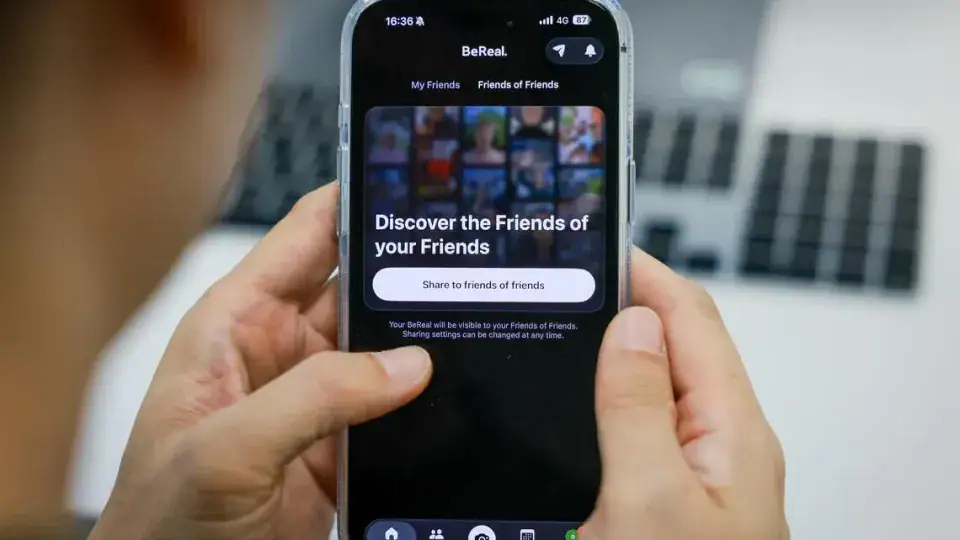
Japan’s BeReal Surge Forces Companies to Rethink Digital Privacy
The app BeReal, originally launched in France in 2020, has become a daily ritual for over six million Japanese smartphones, prompting users to capture a spontaneous photo within two minutes of a random alert.
Since its modest launch in Japan in 2023, the platform has grown to more than 6.5 million monthly users, with 92 % of them belonging to the 13‑27 age bracket, up from five million a year earlier.
BeReal’s appeal lies in its unfiltered, authentic style; it offers no filters, no editing, and only allows uploads taken at the moment of the prompt, encouraging users to share their real‑time surroundings and appearance with close friends.
Unlike other short‑form networks, the countdown timer creates a sense of urgency that can lead employees to post pictures from their desks or classrooms without considering the sensitivity of what is visible.
NHK reported that within a 45‑day period in spring 2026, at least 40 incidents of institutional data leakage were linked directly to BeReal posts.
High‑profile cases include a Fukuoka bank employee whose photo of a branch office revealed client names, addresses, corporate account details and internal targets, sparking a public apology from the bank’s president and a dip in its share price after an inquiry by the Financial Services Agency.
Other mishaps have exposed school management systems, customer information at a pizza chain, job applicant resumes, internal pricing models, and even patient data at a hospital, illustrating how a single snapshot can become a lasting digital footprint.
While no disciplinary actions have been publicly confirmed, the frequency of leaks appears to have dropped after extensive media coverage in 2026 and as companies introduced stricter social‑media policies, such as banning personal phones during work hours or providing secure storage lockers.
Both employers and employees now face the challenge of adapting workplace practices to the realities of instant, unedited sharing, underscoring the need for improved digital literacy across Japan’s younger workforce.