 Mekong Monitor
How BeReal Is Exposing Japan's Digital Privacy Gaps
BeReal's spontaneous photo-sharing format has triggered a wave of accidental corporate data leaks across Japan, forcing companies to overhaul workplace privacy policies and confront modern cybersecurity challenges.
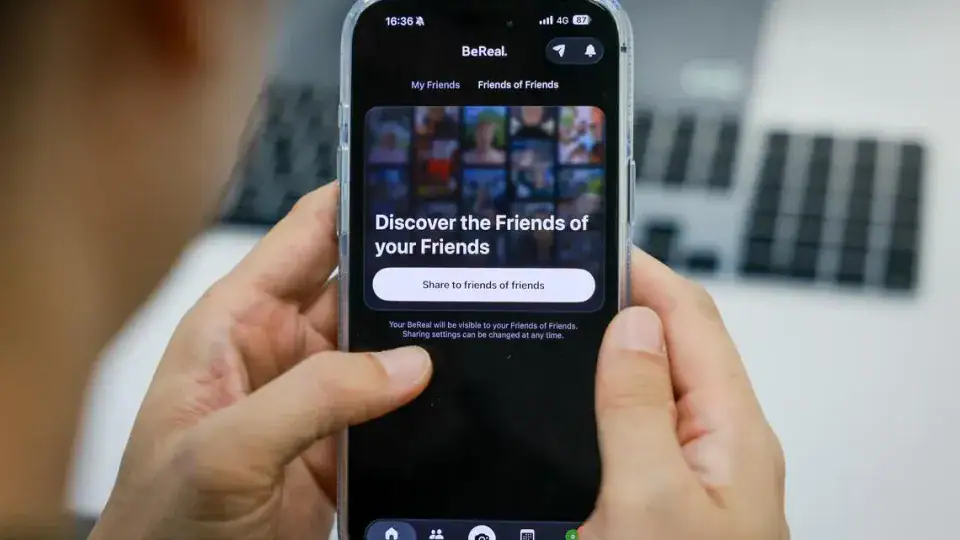
Every day at an unpredictable moment, more than six million smartphones across Japan buzz with the same notification: the social media platform BeReal is telling its users to snap a photo right now. Millions of young Japanese comply almost instinctively, capturing whatever they happen to be doing — relaxing at home, sitting through a lecture, or working at their desk.
While enthusiasm for the app has faded in many countries, BeReal continues to thrive among Japan's Gen Z population. But beneath the seemingly innocent spontaneity lies a growing corporate security problem, as employees inadvertently leak sensitive company information by photographing their surroundings without a second thought.
How BeReal Works — and Why It's Popular in Japan
Launched in France in 2020 and achieving global virality in 2022, BeReal arrived in Japan around 2023 as a raw, unpolished counterpoint to Instagram's curated perfection. The app's mechanics are rigid: once the daily notification drops, users have just two minutes to take a dual-camera photo showing both their face and their environment. An optional short video clip can accompany the post.
Those who post within the window earn extra upload opportunities for the day. Those who miss the deadline get their post tagged as "late" and lose access to their friends' content until they upload something. There are no filters, no editing tools, and no option to upload pre-existing photos from a camera roll.
As of June 2026, the platform boasts 6.5 million monthly active users in Japan, up from five million a year earlier. A remarkable 92 percent of them fall between the ages of 13 and 27. The app was even nominated for Japan's Buzzword of the Year in 2024 and has attracted advertising partnerships with major brands including Uniqlo, Shiseido, Netflix, and blockbuster films.
Its appeal in Japan is partly cultural. In a society where the pressure to maintain a polished, picture-perfect public image — known as kira-kira or "sparkling" culture — can be overwhelming, BeReal's insistence on unfiltered authenticity offers a welcome escape. Shared typically among close friends and set to vanish after 24 hours, these candid glimpses into everyday life feel like a safe way to show one's genuine self.
A Corporate Security Nightmare
Japanese youth are also active on TikTok, Instagram, X, LINE, and the latest craze, Setlog — a South Korean app that compiles hourly video clips from small friend groups into shared vlogs. But none of these platforms replicate BeReal's pressure-cooker countdown, which has created a distinctive hazard in the workplace.
An investigation by national broadcaster NHK found that over a 45-day span between April and May, at least 40 incidents of institutional data exposure were directly linked to BeReal posts.
The most damaging case hit Nishi-Nippon City Bank, a regional lender headquartered in Fukuoka. An employee took a BeReal photo inside a branch, and the image subsequently surfaced on X on April 29, racking up over 10 million views in a single night. Visible on a whiteboard in the background were the names of eight private banking clients, a customer's home address, details of 19 corporate accounts, and internal sales goals. Bank president Hideyuki Murakami was compelled to publicly apologize. Shares in parent company Nishi-Nippon Financial Holdings fell nearly 3 percent, and the Financial Services Agency launched a formal inquiry.
Other incidents followed across the country:
- In Sendai, a primary school teacher photographed her desk, accidentally broadcasting a computer monitor displaying the city's internal school administration system.
- In Tokyo, a part-time employee at pizza chain Pizza-La posted an image containing customer information, while a worker at gyoza restaurant chain Nikujiru Gyoza no Dandadan captured a job applicant's resume.
- In Ishikawa, a machinery manufacturer's internal pricing models were exposed.
- In Hokkaido, a hospital inadvertently revealed patient names and ages through a reception desk photo.
Young employees, lulled by the app's "friends-only" privacy settings, failed to recognize that screenshots could easily migrate to other platforms and go viral. It remains unclear whether any of the employees involved faced disciplinary action.
Accidental, Not Malicious — But Still Damaging
Sociologists and cybersecurity specialists are careful to distinguish these accidental leaks from the deliberate provocations seen in earlier social media scandals, such as Japan's "sushi terrorism" incidents. BeReal users bear no malice toward their employers. They simply forget a fundamental truth of the digital era: no online space is genuinely private, and any upload can become a permanent "digital tattoo."
Japan Inc. Responds
The cascade of breaches has jolted Japanese companies into confronting modern cybersecurity risks with fresh urgency. Organizations are increasingly implementing strict workplace protocols, from outright bans on social media use during working hours to mandatory storage lockers for personal devices.
Even Nishi-Nippon City Bank acknowledged that while it already had a policy prohibiting personal smartphone use in the office, enforcement had been lax — until the scandal forced the issue.
Reports of similar incidents have tapered off, likely the result of heightened awareness following extensive negative media coverage in 2026 and the tightening of corporate social media policies. But the broader lesson remains: as Japan's younger workforce develops digital literacy, companies must also recognize that outdated workplace practices need constant updating to keep pace with the rapidly evolving tools shaping modern life.