 Mekong Monitor
Cambodia Looks to Hydroponics as Climate Strains and Farm Labour Shortages Grow
Cambodian officials recently explored hydroponics and other controlled-environment farming methods as possible answers to climate pressures and labour shortages. The discussions took place during a five-day course in Phnom Penh led by Singaporean trainers.
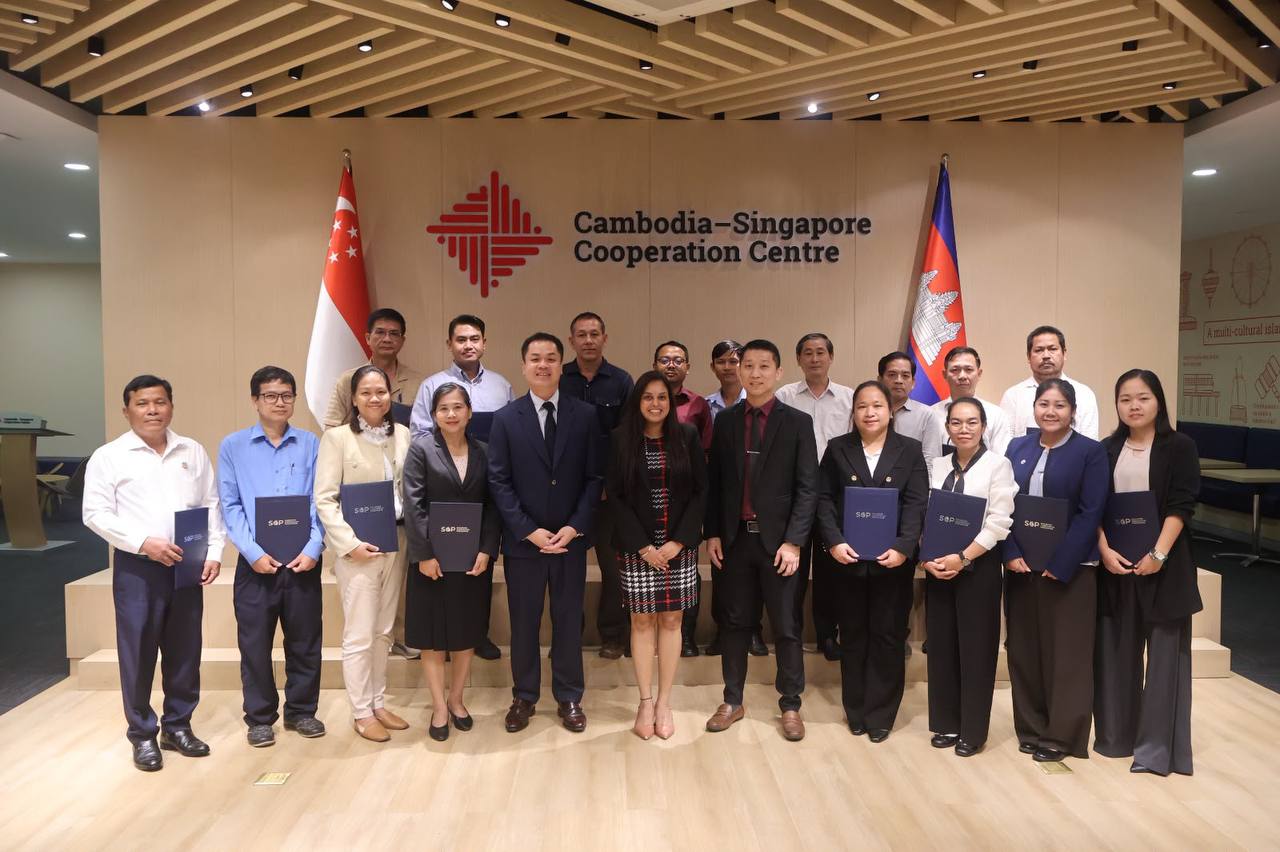
Cambodian government officials have been examining how hydroponics and other farming technologies could help the country cope with a changing climate and a shrinking farm workforce. The goal is to keep crops growing year-round while using land and water more efficiently.
The ideas were discussed during a five-day course on sustainable agriculture systems and technology, held from September 28 to October 2 at the Cambodia-Singapore Cooperation Centre (CSCC) in Phnom Penh. Trainers from Singapore’s Republic Polytechnic led the programme, which brought together officials from five ministries: agriculture, commerce, environment, rural development and water resources.
In a statement issued on October 2, the centre said hydroponic crop production was a central topic, with participants viewing it as a model that could be scaled up as a business. The sessions covered the full production cycle, from system design and nutrient management to cultivation and crop selection. Hydroponics grows plants without soil, using nutrient-rich water instead, and it was one of several systems weighed for its potential to support year-round harvests with less land and water.
Nhean Sophea, director of the Department of Rubber Development at the Ministry of Agriculture, Forestry and Fisheries, said the training offered valuable insight into technologies that could help address climate change and labour shortages. He added that the knowledge could strengthen agricultural extension work, inform policymaking and open the door to further collaboration.
A Broad Look at Modern Farming Methods
The course also explored controlled-environment agriculture, including greenhouse and indoor farming, along with aeroponics and aquaponics. Participants looked at digital tools such as Internet of Things-enabled smart farm dashboards, as well as standards like Good Agricultural Practice.
Other sessions covered efficient irrigation, water conservation, nutrient management and integrated pest management. Soil health, the adoption of renewable energy on farms and circular agriculture, which turns farm waste into useful resources, were also on the agenda.
Together, these practices fed into discussions on climate-smart agriculture. As the statement described it, this approach aims to boost productivity, build resilience to drought, pests and disease, and reduce environmental harm.
Relevance for Cambodia
Pen Khemraraingsey, deputy director for village and rural community development at the Ministry of Rural Development, said the course offered practical lessons on tackling climate change, food security and labour shortages through technology and resource-efficient farming. He considered the Singaporean experience highly relevant to Cambodia’s sustainable rural development and its push for more resilient agriculture.
The programme also addressed food security challenges at both the global and ASEAN levels, linking farm technology to the stability of regional food systems. The CSCC noted that Singapore imports more than 90 per cent of its food and relies on a diverse network of international suppliers to limit its exposure to disruptions. It argued that stronger skills in sustainable and controlled-environment farming could help Cambodia boost local production while supporting Singapore’s own efforts to make its food supply more resilient.
The training was delivered under the Initiative for ASEAN Integration (IAI), a scheme through which Singapore shares technical knowledge and helps build capacity among ASEAN member states. Since 2002, the CSCC has trained more than 19,000 Cambodian government officials through technical and professional courses.