 Mekong Monitor
Trump Tells Marcos and ASEAN Leaders to Call Him Directly When They Face Problems
At a US-ASEAN special summit in Manila, Donald Trump pledged full support for regional partners, urged Southeast Asian nations to pursue critical minerals and magnets, and touted American leadership in artificial intelligence.
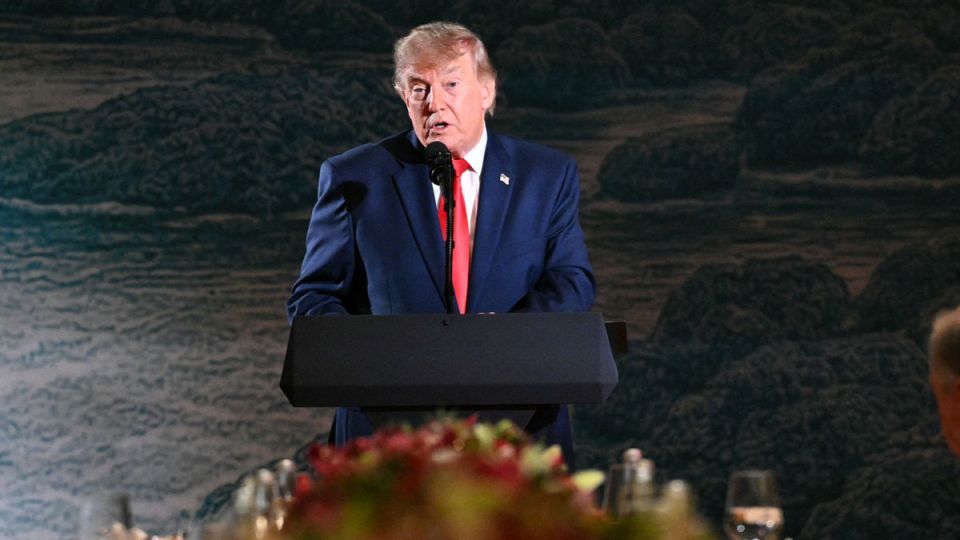
US President Donald Trump has told Philippine President Marcos and other Southeast Asian leaders that they can phone him whenever they run into trouble. He said Washington backs its partners and allies “100 percent.”
He made the comments at the ASEAN-US Special Summit, which took place hours after the 49th ASEAN Summit and related meetings concluded in Manila.
Trump pointed to a sharper defense partnership with the Philippines, which he called a key American ally. “I don’t think we’ve ever been closer than we are right now,” he told Marcos, crediting the personal relationship between the two leaders.
He then joked about US Secretary of State Marco Rubio, who was seated next to Marcos. If Rubio or other American officials did not answer ASEAN leaders’ calls quickly enough, Trump said, they should go straight to him. “I’ll take your call,” he said, adding that he would fire Rubio for being slow to respond.
Trump described Southeast Asia as one of the most dynamic and productive regions in the world. He said the United States was present because it is committed to the success, sovereignty and prosperity of its many friends in the region, several of whom were seated at the table.
Push for critical minerals and magnets
Trump also urged ASEAN governments to invest in producing critical minerals, rare earths and magnets. “We want magnets,” he said, predicting that countries which move on this would stand to earn a great deal of money.
He further boasted about American leadership in artificial intelligence, which he referred to as “super intelligence.” He said the US has the world’s most powerful AI ecosystem and intends to keep its lead. He added that Washington looks forward to working with every country present that wants to build a technology-driven future and benefit from the economic growth it can bring.