 Mekong Monitor
Three Decades of IFAD Partnership in Cambodia: From Recovery to Climate Resilience
Cambodia marked 30 years of partnership with IFAD at an October 19 workshop reviewing past results and shaping the next phase of rural investment. The discussions will inform the next country investment programme for 2028–2033.
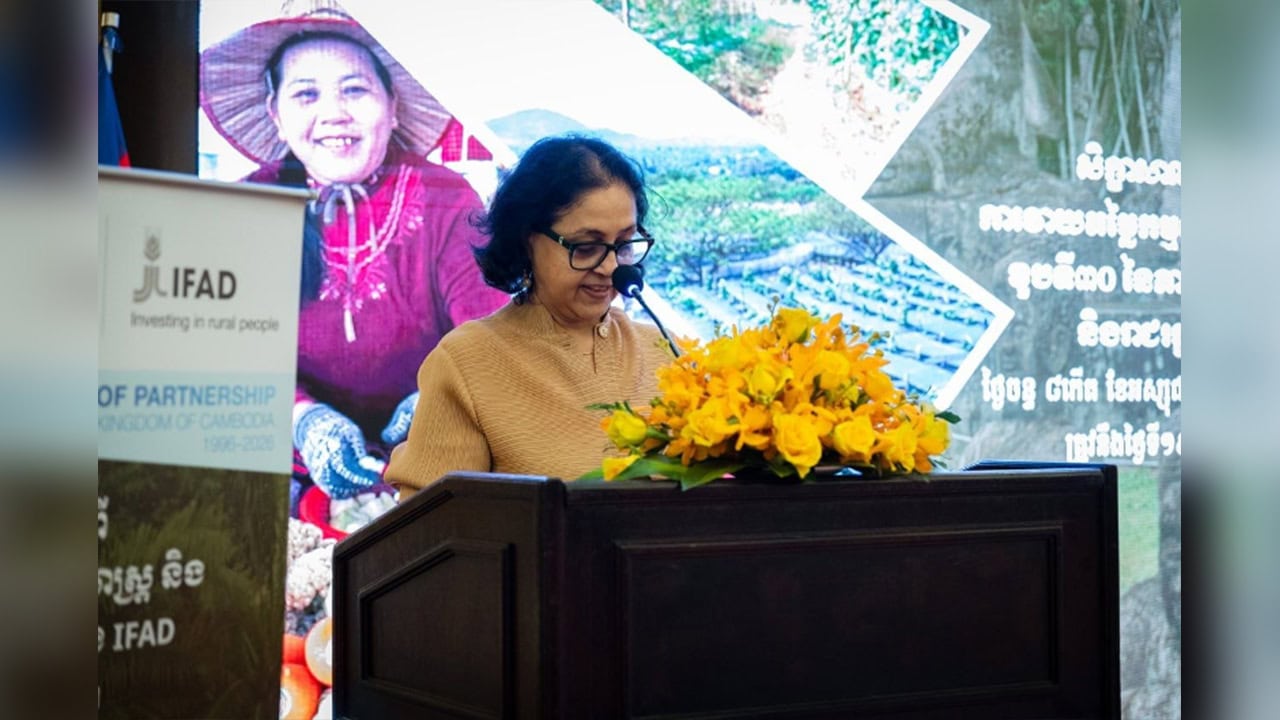
Cambodia has marked 30 years of cooperation with the International Fund for Agricultural Development (IFAD). On October 19, the Ministry of Economy and Finance held a national workshop to celebrate the anniversary and review a Country Strategy and Programme Evaluation covering the 2018–2025 strategy period.
Participants looked at what the partnership has achieved, which challenges remain and what lessons can guide the next phase of investment in smallholder farmers. The findings will feed into the next Country Strategic Opportunities Programme (COSOP), which is expected to cover 2028–2033.
Huol Bonnaroth, director general of the ministry's General Department of International Cooperation and Debt Management, called the workshop a chance to take stock of past results and identify lessons for future cooperation. He said Cambodia is entering a new stage of development, including its expected graduation from least developed country (LDC) status in 2029, so now is the right time to consider how future IFAD investments can better meet the country's challenges, needs and priorities. He added that development finance must produce measurable, lasting benefits for people, not just be raised.
IFAD's regional director for Asia and the Pacific, Reehana Raza, the director of its Independent Office of Evaluation, Indran A. Naidoo, and IFAD's Cambodia country director, Frew Behabtu, all stressed the value of independent assessment. They urged participants to use the evaluation's findings on achievements, gaps and lessons to shape concrete commitments.
Three decades of changing priorities
According to the ministry, IFAD-supported operations have moved over the past 30 years from helping communities recover after conflict and providing basic livelihood support toward a wider range of services. These now include agricultural advisory services, the development of farmer organisations, commercialisation, market access and climate resilience.
Across 12 projects, the broader investment portfolio has brought in roughly $1.05 billion in total financing, including about $389.1 million from IFAD itself. These figures are cumulative financing totals. They do not show how much money has been spent or provide independently verified measures of programme impact.
Projects in this history include the Agriculture Services Programme for Innovation, Resilience and Extension (ASPIRE), Accelerating Inclusive Markets for Smallholders (AIMS), the Agricultural Services Programme for an Inclusive Rural Economy and Agricultural Trade (ASPIRE-AT), Sustainable Assets for Agriculture Markets, Business and Trade (SAAMBAT), and the newer Climate Adaptive Irrigation and Sustainable Agriculture for Resilience (CAISAR) initiative. Taken together, the ministry said, they reflect a shift from extension and production support toward connecting farmers with roads, markets, resilient water management and business opportunities. The release also noted that ASPIRE and ASPIRE-AT are separate investments.