 Mekong Monitor
Thai PM's UN Speech on Border Dispute Labeled Political Posturing by Observers
Experts dismiss Thai PM Anutin Charnvirakul's UN statements on the Cambodia border dispute as diplomatic theater designed to benefit domestic politics while misrepresenting facts on the ground.
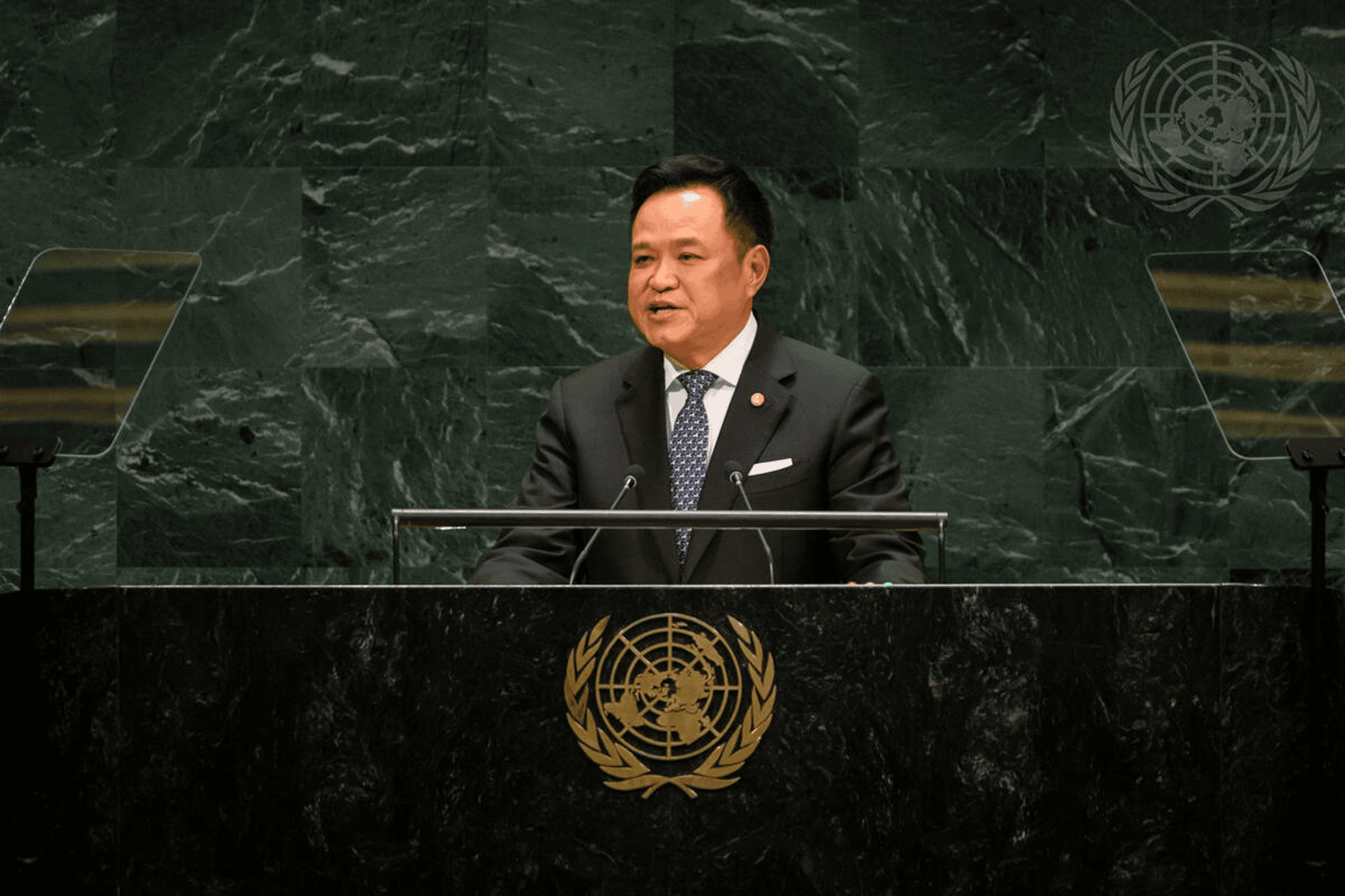
Thai Prime Minister Anutin Charnvirakul's recent address at the United Nations General Assembly has drawn criticism from analysts who characterize his statements on the Cambodia-Thailand border dispute as politically motivated rhetoric that distorts reality.
During his September 24 speech in New York, Anutin referenced discussions with Cambodian Prime Minister Hun Manet from May, asserting both nations had committed to resolving border disagreements through bilateral channels. He then accused Cambodia of bypassing this understanding by pursuing compulsory conciliation under UNCLOS procedures.
"Thailand has participated in good faith, but let us be clear: this mechanism applies solely to maritime boundaries. Meanwhile, Cambodia must collaborate with us on strengthening border security, including substantive cooperation against online scam operations and landmine removal," Anutin stated.
He continued by emphasizing that community safety demands decisive measures on these fronts, declaring that their shared border should represent mutual prosperity rather than lingering wounds from past conflicts. Anutin insisted Thailand seeks peace, not confrontation, but achieving it requires genuine commitment from Cambodia.
These comments strike observers as inconsistent given Cambodia's persistent efforts to initiate negotiations on land border matters since the nations reached their second ceasefire on December 27, 2025. Hun Manet has prioritized diplomatic engagement, pledging to pursue peace even if success seems improbable, and has repeatedly urged Thailand to activate its Joint Boundary Commission teams—requests that remain unanswered.
Geopolitical analyst Nhel Rattha characterized Anutin's UN remarks as "diplomatic maneuvering designed to shape a political narrative for domestic and international advantage."
According to Rattha, the speech creates an impression of strength and control, implying Thailand dictates negotiation terms. This constitutes psychological tactics meant to convince the public that Thailand maintains the upper hand at the bargaining table.
The statements also shift responsibility to Cambodia, Rattha noted, creating an illusion that Phnom Penh bears blame for delays while Bangkok projects constant readiness to negotiate. Additionally, the speech serves domestic political objectives.
"Addressing overseas Thais sends a message calculated to boost political support at home, appealing to nationalist sentiment and military circles by demonstrating the government's firm stance on territorial and maritime resource questions with Cambodia," Rattha explained. "This represents diplomatic language aimed purely at satisfying Thai nationalist audiences."
Kin Phea, director of the Institute of International Relations at the Royal Academy of Cambodia, similarly dismissed Anutin's words as empty rhetoric intended to project Thai goodwill on the world stage.
The reality, Phea contended, involves continued Thai military presence on Cambodian soil and violations of international law through the demolition and appropriation of Cambodian homes, agricultural land, and property—actions that breach ceasefire terms.
"Were Thailand genuinely committed to peaceful border resolution, it would dispatch its JBC technical teams immediately rather than maintaining illegal military occupation of Cambodian territory," Phea stated.
"Thailand lacks genuine goodwill. Their statements merely serve to manufacture a favorable image, persuading the international community that Thailand operates as a civilized nation respecting international law. The truth reveals Thailand acting as an aggressive, predatory state," he concluded.