 Mekong Monitor
SME Federation Urges Lenders to Give Covid-Hit Businesses a Second Chance
The head of Cambodia's SME federation is urging banks to give businesses hurt by Covid-19 another chance, proposing shorter credit penalty periods and case-by-case reviews. He also pledged workshops across all provinces to help entrepreneurs navigate lending.
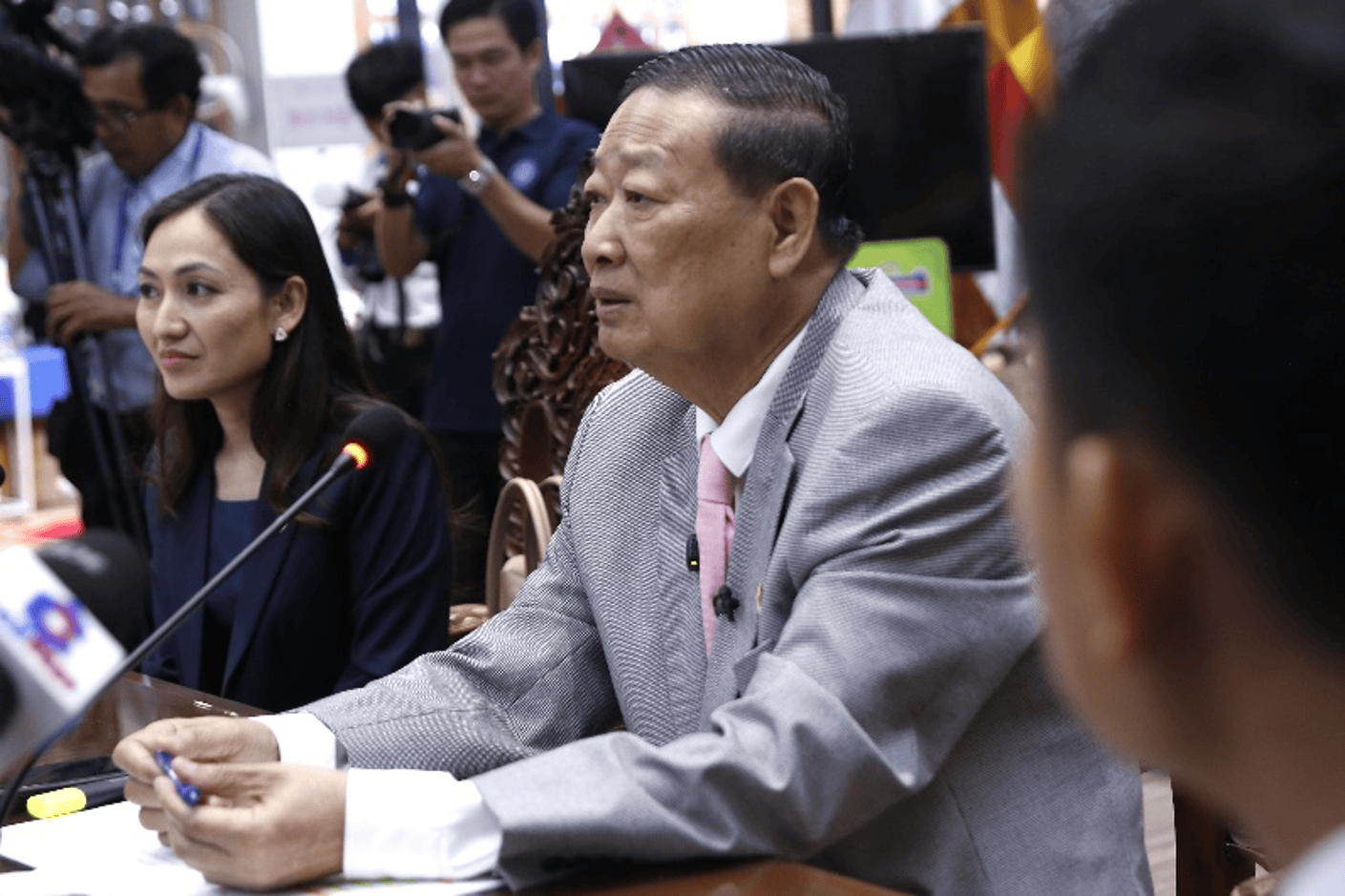
Te Taing Por, head of the Federation of Associations for Small and Medium Enterprises of Cambodia (FASMEC), is calling on banks and other lenders to show more understanding toward businesses that fell behind on loan repayments because of the Covid-19 pandemic. He says these firms should get another opportunity to secure financing so they can keep operating and grow.
Speaking at a press conference held on November 10 at FASMEC's headquarters, Por said some entrepreneurs had missed payments due to a crisis nobody could have foreseen. In his view, such setbacks should not permanently block them from raising the capital they need to rebuild.
He urged lenders to be flexible with borrowers who have minor blemishes on their credit records, and to give business owners a realistic path to restoring lenders' confidence.
“If their CBC records show only minor problems, we should think about offering relief and rebuilding trust, so they can borrow again and keep their businesses running,” he said.
Por suggested cutting the current three-year penalty period to three or six months. That would let borrowers prove they have improved their repayment behavior and apply for credit much sooner.
What the credit bureau does
Por also acknowledged that representatives of the Agricultural and Rural Development Bank (ARDB) and several commercial banks had told earlier forums that a poor report from the Credit Bureau Cambodia (CBC) does not automatically disqualify an applicant from receiving a loan.
He encouraged entrepreneurs to bring their individual cases to FASMEC rather than assuming their credit history rules them out. “I will take these issues directly to the institutions involved. If the National Bank of Cambodia (NBC) is involved, I will raise them with the central bank,” he said.
FASMEC secretary-general Chhin Ket added that a CBC representative at an earlier forum had explained the bureau's function: it supplies data on customers' repayment histories, which banks weigh when reviewing applications. “The CBC does not block lending. It simply reports each customer’s repayment history,” he said.
Ket also noted that when a bank turns down a loan, the reasons may involve other lending criteria, so the decision cannot be blamed on the CBC alone.
Concerns over financing
Access to capital was the central topic of the event. Attendees raised questions about credit histories, interest rates, the paperwork required, and eligibility for preferential loans.
One manufacturer said he had pledged his house and land title to secure a loan from ACLEDA Bank at an annual interest rate of roughly 10 percent. He explained that these interest costs were adding to his production expenses, and that gathering the documents needed for cheaper financing was proving difficult. He admitted he had not yet completed a proper application for preferential funding.
Planned workshops and support
Por said FASMEC is working with banks and provincial authorities to organize financing workshops in all 25 provinces and the capital. The goal is to help business owners understand lending requirements, get their paperwork in order, and learn about the support available to them.
ARDB, ACLEDA Bank, KB PRASAC Bank, and ABA Bank have taken part in the initiative. FASMEC's provincial branches will also gather information on the obstacles enterprises are facing.
Asked about interest rates, Por said he could not announce a single rate for SMEs, since terms depend on each lender and its assessment of the borrower.
He reminded entrepreneurs to use loans for the purposes they presented to lenders, rather than overspending or redirecting funds away from their approved plans. FASMEC will collect cases of financing difficulty and arrange discussions with banks, and it will not charge commissions for facilitating these loans.
“Above all, once you have borrowed, put the money toward the purpose you declared and keep building your creditworthiness,” he stressed.