 Mekong Monitor
Rabies Claims Life of Nepalese Child as Death Goes Unrecorded in Official Statistics
A four-year-old boy died from rabies in Nepal after being bitten by a puppy, but his death went unrecorded in official statistics because it occurred outside a government facility.
A young boy from Sindhuli district lost his life to rabies last month after being rushed to a specialized infectious disease facility in Kathmandu when symptoms emerged. The four-year-old's condition rapidly declined, prompting medical staff to transfer him to intensive care on September 24.
Understanding that rabies becomes untreatable once clinical signs manifest, and witnessing their son's suffering, the family made the difficult decision to bring him home from the hospital. Medical personnel at the facility confirmed the child passed away during the journey home.
Because the death occurred outside a government medical facility, it remains absent from official health statistics—a gap that highlights significant shortcomings in Nepal's disease surveillance infrastructure.
Rabies, a fatal viral infection transmitted primarily through animal saliva, poses a persistent threat in Nepal where dogs account for the vast majority of transmission cases. Government figures show nearly a quarter million animal bite incidents were documented in the most recent fiscal year, with canines responsible for 96 percent of attacks.
Health experts believe official numbers represent only a fraction of the true burden. Annual rabies fatalities in Nepal are estimated at approximately 100 people, though many cases never reach official tallies. In the capital valley alone, more than 600 individuals suffer dog bites daily.
Children face heightened vulnerability to both bites and subsequent infection. The tragedy that claimed the Sindhuli boy's life reportedly stemmed from a puppy bite—a scenario medical professionals identify as particularly dangerous due to widespread misconceptions.
Dr. Sher Bahadur Pun, who leads clinical research at the capital's tropical disease hospital, explained that children frequently fail to report puppy bites out of fear of punishment, while parents often dismiss such incidents as harmless. This false sense of security has proven deadly in numerous cases.
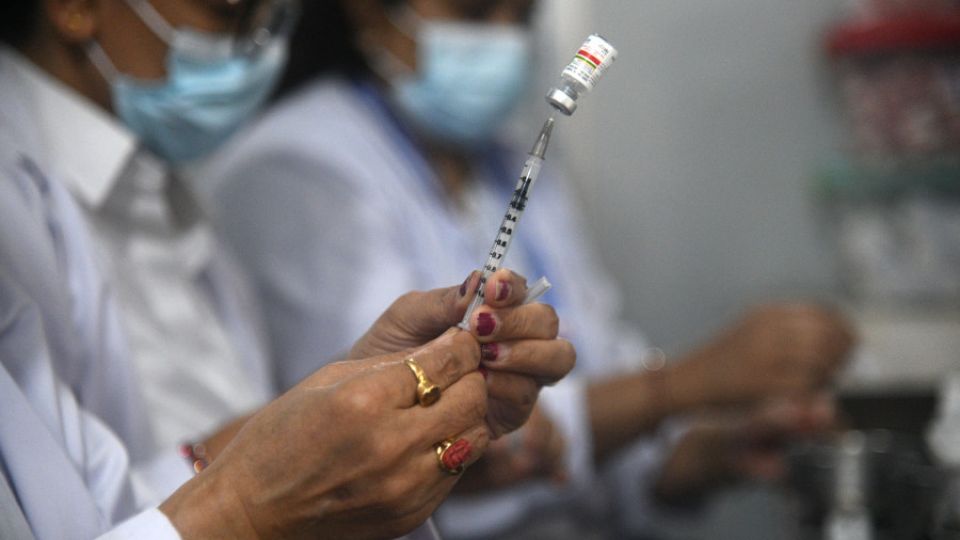
The situation has deteriorated further this year as vaccine supply chains collapsed for extended periods. Health facilities went months without anti-rabies immunizations, forcing bite victims either to purchase doses privately at considerable expense—up to 1,000 rupees per injection—or travel long distances to Kathmandu. Complete post-exposure treatment requires a minimum of four doses administered over several weeks.
Some regional health centers resorted to procuring vaccines independently and seeking support from provincial and municipal authorities. Even the nation's primary referral center for bite management found itself requesting supplies from local government bodies.
These challenges cast doubt on Nepal's commitment to achieving the World Health Organization's target of eliminating dog-mediated rabies transmission by 2030. Despite this goal, bite incident reports continue climbing year after year.
Globally, rabies claims approximately 59,000 lives annually—one death every nine minutes—with children and economically disadvantaged populations bearing the greatest burden, according to international health authorities.