 Mekong Monitor
AHF Expands Flood Relief in Poipet to Keep HIV Treatment Running
AHF Cambodia has expanded its flood response in Poipet, delivering supplies to nearly 200 households and people living with HIV while working to keep antiretroviral treatment uninterrupted. The effort addresses both urgent household needs and disruptions to healthcare access.
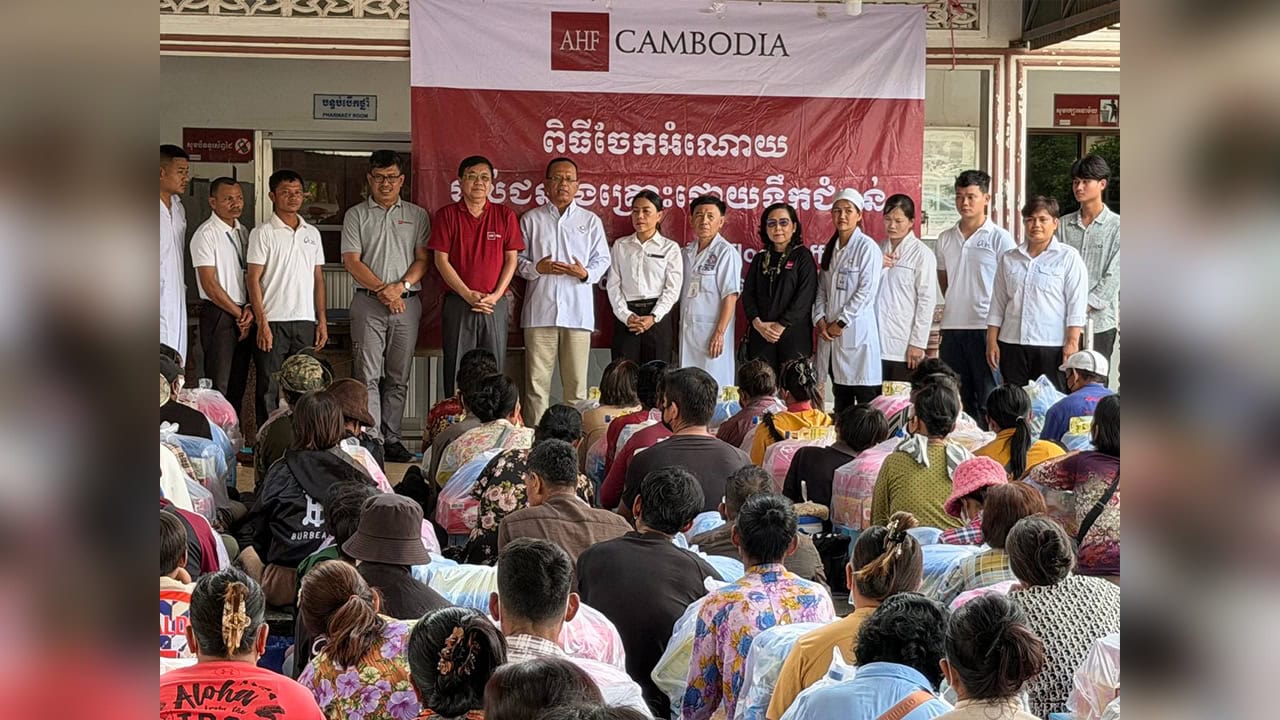
On October 7, AIDS Healthcare Foundation (AHF) Cambodia extended its emergency flood response in Poipet, Banteay Meanchey province. The organisation distributed essential supplies to nearly 200 vulnerable households and people living with HIV, and it is working with local authorities to make sure those patients can keep receiving antiretroviral (ARV) treatment without interruption.
Heavy seasonal rain has flooded parts of Poipet and Banteay Meanchey, damaging roads and disrupting transport and livelihoods. These conditions add to the burdens already facing vulnerable communities, especially those who need regular healthcare.
The October 7 response was led by Dr Chhim Sarath, bureau chief of AHF Asia. Emergency kits with food, household goods and hygiene supplies were handed out to nearly 200 households, including people living with HIV who were hit by the floods.
Sarath said that meeting urgent humanitarian needs and protecting access to medication for people with HIV are both central to the organisation's emergency work.
“Beyond emergency relief, our main priority during this disaster has been keeping medical care within reach,” he said. “Because roads and transport links have been cut off, AHF staff have worked with local officials so that people living with HIV can keep getting their essential, life-sustaining ARV treatment without a break.”
Health services remain open
According to AHF, its supported health service sites in Poipet and Banteay Meanchey are still operating. However, some health facilities in the affected areas have been disrupted and need extra support.
The organisation warned that flooding can threaten HIV treatment even when clinics stay open. Damaged roads and disrupted transport can prevent patients from reaching a clinic to pick up their medication.
Securing medication and precautions
AHF Cambodia is working with relevant authorities to secure emergency ARV supplies and lower the risk of treatment gaps in flood-hit communities. Where possible, people living with HIV in flood-prone areas are being encouraged to keep a one- to two-month supply of their medication on hand.
If a patient's usual clinic is flooded or cannot be reached, AHF advises them to contact community-based organisations or national HIV service hotlines. These groups can help identify another working facility or a medication distribution point.
Addressing immediate and longer-term needs
The October 7 intervention builds on AHF Cambodia's earlier flood response, which combined humanitarian aid with efforts to keep people living with HIV connected to care. AHF says natural disasters create both direct and indirect barriers to healthcare.
Affected households may lose income, struggle with transport and feel pressure to put food and shelter first. For people who depend on lifelong HIV treatment, these pressures can make it harder to attend appointments or collect medication on time. Food and hygiene assistance is meant to ease some of that financial strain while health teams work to keep medication flowing.
AHF said it will keep coordinating with authorities and communities in affected areas to monitor access to HIV services, with the goal of ensuring that floods and transport disruptions do not lead to gaps in treatment.