 Mekong Monitor
AHF Urges Young Cambodians to Get Tested as HIV Infections Show Signs of Rising Again
AHF Cambodia is calling on young people, especially those most at risk, to get tested and use prevention services after Prime Minister Hun Manet warned that HIV infections appear to be rising again.
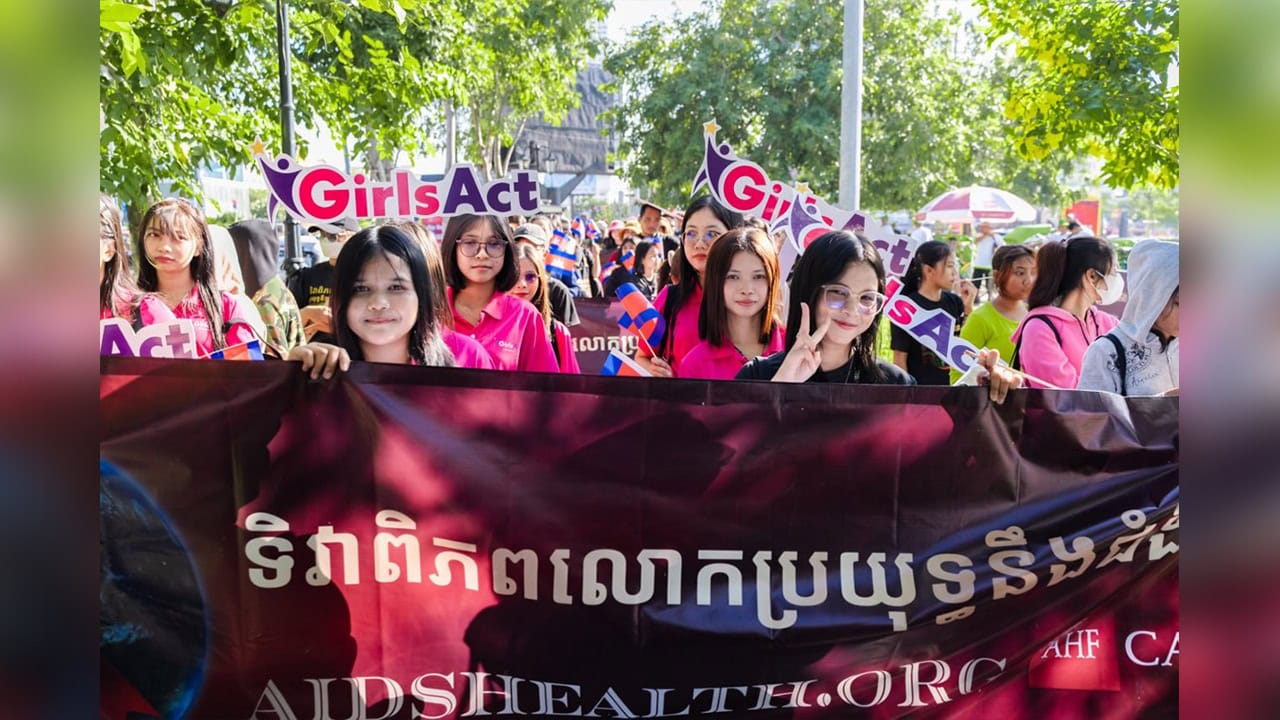
AIDS Healthcare Foundation (AHF) Cambodia is urging young people, especially those at higher risk, to get tested for HIV and make use of prevention services. The call follows a warning from Prime Minister Hun Manet that, despite recent progress, HIV infections appear to be climbing again.
Speaking at a graduation ceremony for medical students on 7 October, Manet said he was concerned that better HIV treatment and falling AIDS-related deaths could be fostering complacency about the virus.
“It seems HIV infections are climbing again,” he said, as he reviewed Cambodia’s progress towards the international 95-95-95 targets.
He cautioned that because fewer people are dying of AIDS-related illnesses, some may underestimate the ongoing risk of infection. “As the disease becomes less deadly, fewer people die from it, and people may grow complacent. Please be careful,” he said.
Dr Chan Phanna, country programme manager at AHF Cambodia, said young people aged 15 to 24 remain especially vulnerable. Citing figures from the National AIDS Authority (NAA) and UNAIDS, he said this age group accounts for roughly 44 per cent of new HIV infections in Cambodia, affecting both young men and young women.
Why young people are at risk
Phanna pointed to low awareness of HIV, unsafe sexual behaviour and persistent misconceptions about the virus as key drivers of transmission among younger generations.
Adolescent girls and young women face additional hurdles. These include limited access to comprehensive sexual health education, stigma and discrimination, unequal power in relationships, and difficulty negotiating condom use with partners. Economic dependence and fear of losing a relationship can also discourage some young women from insisting on safer sex.
In rural areas, these problems are often compounded by a lack of youth-friendly health services, transport costs and concerns about confidentiality.
Barriers to testing
Phanna said some young people avoid HIV testing because they fear being recognised at clinics, judged by health workers or discriminated against by their communities. Such barriers can delay diagnosis and keep people from getting treatment and prevention advice.
Although Cambodia has reported meeting the UNAIDS 95-95-95 targets, which cover diagnosis, treatment and viral suppression, Phanna stressed that preventing new infections is still a major challenge. Effective treatment has greatly reduced AIDS deaths, but longer survival should not be mistaken for an end to the risk of transmission.
Testing remains a crucial first step, since people can carry HIV without showing any symptoms. Those who test positive can be linked to antiretroviral therapy (ART), while those who test negative can receive counselling on prevention, including consistent condom use.
The Girls Act programme
To tackle these vulnerabilities, AHF Cambodia has run its Girls Act programme since 2019. It has grown into a network of more than 300 members, including girls living with HIV, supported by 12 community leaders.
The programme helps adolescent girls and young women stay on antiretroviral medication without interruption. It also offers HIV prevention education, sexual and reproductive health information, peer support, life-skills training and efforts to reduce stigma. The aim is to build girls’ confidence in making informed health decisions, sticking to treatment and using appropriate care.
In 2026, Girls Act widened its practical support. It now provides menstrual hygiene supplies to schools, backs ART services in disadvantaged communities, and helps girls cover transport costs to reach HIV treatment and other healthcare.
AHF Cambodia also provides HIV testing, counselling and community outreach, particularly for groups who face barriers to conventional healthcare.
A call for shared action
Phanna emphasised that prevention depends not only on services being available, but also on tackling the social pressures and fears that stop young people from using them. He called for closer cooperation between families, schools, healthcare providers and community groups to improve sexual health education, reduce stigma and make confidential testing easier to access.
Young people who have had unprotected sex, may have been exposed to HIV, or are unsure of their status should get tested rather than wait for symptoms. For those diagnosed, early treatment protects their health and, once they achieve sustained viral suppression, prevents sexual transmission of the virus.
AHF Cambodia maintains that expanding testing and prevention education for young people, alongside continued access to treatment, will be essential to sustaining the country’s progress and preventing further infections.