 Mekong Monitor
One in 13 Hong Kong Adults Is Now a Multimillionaire, Citi Study Finds
A new Citi study finds that about one in 13 Hong Kong adults aged 21 to 79 is now a multimillionaire, with 412,000 people meeting the threshold by mid-2026. The survey also links diversified portfolios to faster wealth growth.
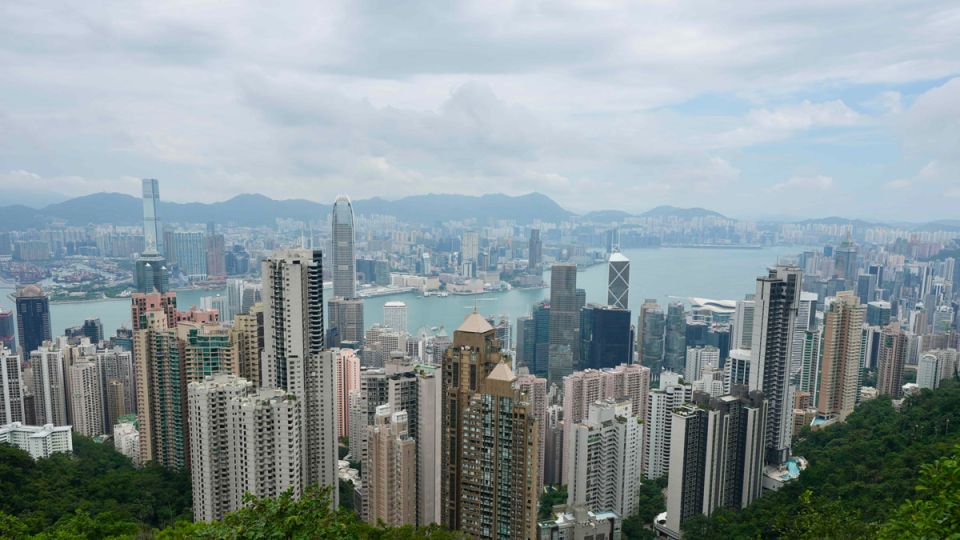
Roughly one in every 13 Hong Kong residents aged 21 to 79 now qualifies as a multimillionaire, according to the Citi Hong Kong Affluent Study 2026. To count, a person must have total net assets above HK$10 million (about US$1.28 million), including at least HK$1 million in liquid assets.
The study drew on face-to-face interviews and online questionnaires with 2,600 residents in that age range.
By mid-2026, the multimillionaire group had reached 412,000 people, or eight percent of the relevant population. That is an increase of 5,000 since 2025.
The median multimillionaire holds HK$20 million in total net assets and HK$10 million in liquid assets. Their wealth is split almost evenly: 51 percent sits in property and 49 percent in liquid assets. Close to half of those liquid holdings are invested in products such as stocks, bonds, funds and alternative investments.
Diversification and faster wealth building
The survey links a diversified portfolio to quicker wealth growth. On average, investors who spread their money across different asset types took 13 years to grow HK$1 million in liquid assets into HK$10 million. That is seven years faster than investors who mainly rely on deposits, and three years faster than those focused on stocks.
Growth over 16 years
Angela Shing, head of Wealth Continuum and Productivity at Citi Hong Kong, said the number of multimillionaires has roughly doubled since the bank launched the survey in 2010. She credited the city's resilience and flexibility as a global financial center and wealth management hub.
Demand for alternatives and the property outlook
Garvin Yuen, director and head of Investment Advisory at Citi Hong Kong, said high-net-worth clients are showing strong interest in alternative investments, especially when markets are uncertain. He said hedge funds, private equity, multi-asset funds and gold can move differently from the broader market, which can lower a portfolio's overall volatility. Alternative investment fund assets under management for the bank's clients rose 50 percent year on year.
Because multimillionaires put about half their net assets into property, Citi expects Hong Kong home prices and rents to climb six percent in 2027, supported by steady housing demand.
Tech stocks and market swings
Asked whether wealthy investors would cut back on global technology stocks after recent market corrections, Yuen said the recent pullback was driven mainly by concerns about slowing AI-related investment and possible US government curbs on data center investment after the midterm elections. He expects the ongoing supply-demand imbalance in the chip supply chain, better-than-expected third-quarter earnings from AI companies and rising demand for cybersecurity services to keep the AI industry's fundamentals intact.
Even so, Yuen said a diversified portfolio can help cushion short-term market swings.
Wealth at the top end
Yuen also noted that residents with median liquid assets of HK$50 million tend to hold more diversified portfolios, with a larger share in investment funds, because they can access a broader range of products.