 Mekong Monitor
New Ramen Designed for People Who Struggle to Swallow
A new ramen variety designed for people with swallowing difficulties has been created in Yamagata Prefecture. Local chefs, dietitians and a ramen shop owner reworked the noodles, pork and toppings so they are safe and easy to eat.
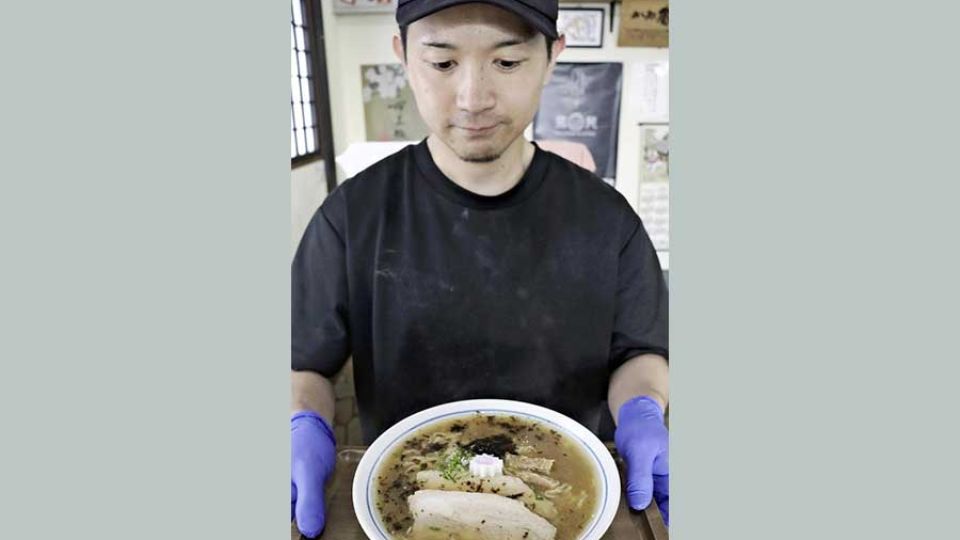
A new ramen designed for people with swallowing difficulties, whether caused by illness or ageing, has been developed in Tsuruoka, Yamagata Prefecture. The region already has a distinctive ramen tradition, and the team behind the dish wants everyone, regardless of health, to be able to enjoy a food loved across Japan.
The project brought together local chefs and registered dietitians who specialise in easy-to-swallow meals made with regional ingredients. They worked with Yuki Onodera, 36, owner of the ramen shop Mendokoro Tsurutsuru.
The idea took shape in the winter of 2024, when Kaori Adachi, 46, a co-representative of the group, told Onodera that whenever hospital patients and care home residents are asked what they would like to eat, ramen is always the answer. Onodera immediately thought of his aging parents and felt it would be a shame if they could no longer enjoy ramen. That led him to start developing the dish.
He based the recipe on his shop's signature chuka soba and made several changes:
- The homemade noodles were made thinner, from 2 mm down to 1.2–1.5 mm, and boiled for 6–7 minutes instead of one, so they are soft enough for a toddler to bite through.
- The chashu pork had its sinew removed and was simmered until very tender.
- The menma (bamboo shoots), which are fibrous and can catch in the throat, were finely chopped and shaped with kudzu starch.
- The broth, made with locally sourced duck, is rich in collagen, which helps it slide down smoothly.
A tasting event in July drew around 40 people, including older adults and their families, and the response was encouraging. One attendee said they had no trouble swallowing the noodles or the pork and enjoyed the broth. Adachi praised the result, noting that many existing ramen products for people with swallowing difficulties turn mushy, whereas this version keeps the firm texture of real noodles. After minor adjustments, including even thinner noodles, Onodera began serving the ramen by reservation at his restaurant in October.
Yamagata has a tradition of ordering ramen from shops to be delivered to guests' homes, and each region has its own local styles. Figures from the Internal Affairs and Communications Ministry's Family Income and Expenditure Survey show that Yamagata City has ranked first nationwide for four consecutive years in household spending on restaurant chuka soba.
Onodera hopes the initiative will spread: “Yamagata grows up eating ramen. Every shop has its own character, and I hope more restaurants will be willing to offer dysphagia-friendly ramen too.”
A wider range of soft-textured meals
Meals for people with swallowing difficulties used to consist mostly of liquids. Thanks to growing demand for food that is both safe and enjoyable, along with better cooking techniques, a far wider range of options now exists. The study group that worked with Onodera has also created easy-to-swallow versions of sushi, steak and children's meals.
Other examples include Honke Shibato, an eel restaurant in Osaka Prefecture, which serves “Yawaraka Mamushi,” an eel rice bowl processed in a special machine so it can be mashed with the tongue. Baigetsudo, a confectionery shop in Nagasaki Prefecture, began selling cakes for people with swallowing difficulties two years ago. The sponge is highly moist, and toppings such as peach and pineapple are softened to the same tongue-mashable texture.
Jun Kayashita, a nutrition professor at Kobe Gakuin University, said the growing variety is significant: “Having more choices improves quality of life.”
He added: “The joy of eating your favourite foods is vital for keeping the desire and ability to eat. It is important to help people enjoy their meals while taking steps to prevent aspiration and other problems.”