 Mekong Monitor
Japan Moves to Tackle Its Chronic Sleep Deficit
Japan is working to make sleep disorder care easier to access, from insurance coverage for insomnia therapy to new clinic listings. The moves come as concern grows over short sleep and its effects on health and work.
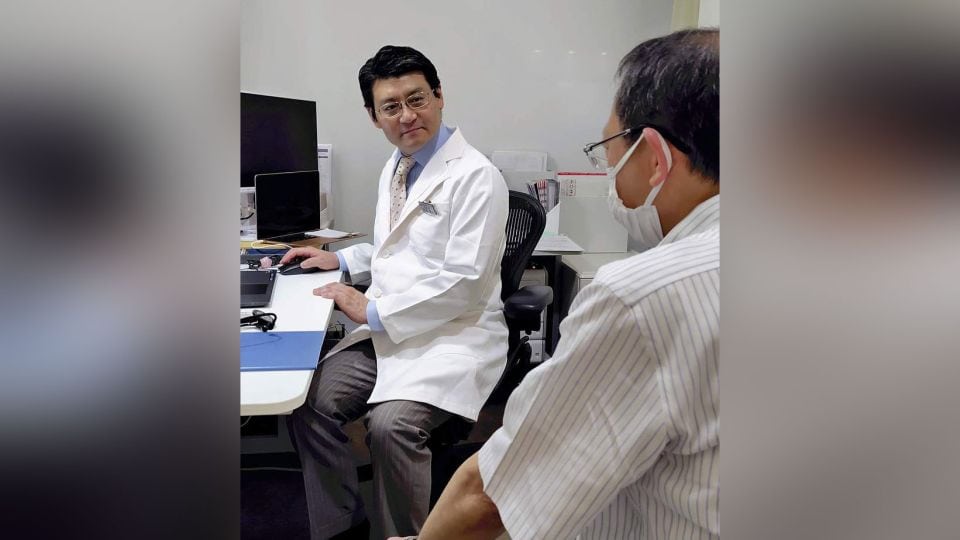
Concerns that many Japanese people are not getting enough sleep, with knock-on effects for health and workplace productivity, are prompting both the government and private companies to act. Authorities are also making it easier for people with sleep disorders to find treatment.
In June, the Health, Labor and Welfare Ministry added sleep disorders to the list of clinical specialties that medical institutions can register under the Medical Service Act. It was the first change to that list in 18 years. Clinics can now advertise that they treat sleep disorders on signs at train stations and along streets, as well as at their reception desks.
A nation short on sleep
Sleep is essential for the body and mind to recover from fatigue and stress. Yet an OECD survey found that Japanese people average 7 hours and 42 minutes of sleep a night, the least of the 35 countries surveyed and nearly an hour less than the average elsewhere. A health ministry survey also found that almost 40% of adults in Japan sleep fewer than six hours on average.
Untreated sleep disorders raise the risk of diabetes, high blood pressure, heart disease and depression. They can also leave people drowsy at work, which lowers productivity and makes mistakes and accidents more likely. In August, Nomura Research Institute estimated that severe daytime drowsiness costs Japan roughly 19.8 trillion yen a year in economic losses.
Wider access to treatment
Insomnia, which means being unable to sleep for long stretches or waking often during the night in ways that disrupt daily life, is estimated to affect about 10 million people in Japan. Around 9 million more are thought to have moderate or severe sleep apnea, a condition in which breathing repeatedly stops during sleep.
Treatment options expanded in June. Insomnia has traditionally been managed mainly with sleeping pills, but cognitive behavioral therapy is now covered by public health insurance. Through counseling, doctors can identify the behaviors and thought patterns that feed insomnia and plan treatment around them. Patients whose condition has not improved with two or more types of sleep medication can receive this therapy in person, while those not prescribed medication can take part from home through an app.
Kazuo Mishima, a professor of sleep medicine at Akita University, said the change should mean less reliance on medication, which in turn is expected to reduce dizziness and the risk of patients falling.
Coverage has also widened for the main treatment for sleep apnea, which uses a specialized mask to push air into the airway. Because the symptoms occur while people are asleep, many do not realize they have the condition, and fewer than 10% of those affected are reported to be getting treatment.
Toru Oga, a professor of respiratory medicine at Kawasaki Medical School, advises seeing a doctor if snoring is accompanied by persistent daytime fatigue, drowsiness, morning headaches or frequent trips to the toilet at night, since these can signal a sleep disorder.
Companies step in
Research suggests that the longer people work, the less they sleep. In July, Prime Minister Sanae Takaichi wrote on X that since taking office she had managed at most about three hours of sleep a night, citing her packed schedule. Overseas media picked up the post and commented on Japan's tendency to prize long working hours.
Against this backdrop, Sompo Himawari Life Insurance has launched measures to address employees' lack of sleep. This summer, the company started a program to help staff build healthier sleep habits. Participants used wearable devices to track their sleep and kept a log of how activities such as exercise affected their rest. The program improved sleep quality for 70% of participants.
Hitomi Ashikawa, a senior consultant at Nomura Research Institute, stressed that tackling daytime sleepiness at work is important for both productivity and preventing errors. She said a comprehensive approach is needed, including improvements to the work environment and support for regular medical checkups.