 Mekong Monitor
Interior Ministry Says State Resources Are Not Authorised to Protect Private Businesses
Cambodia’s Interior Ministry insists no state body authorises using police vehicles or government resources for private or illegal interests, and disputes claims of profit-sharing with officials in an Al Jazeera scam investigation.
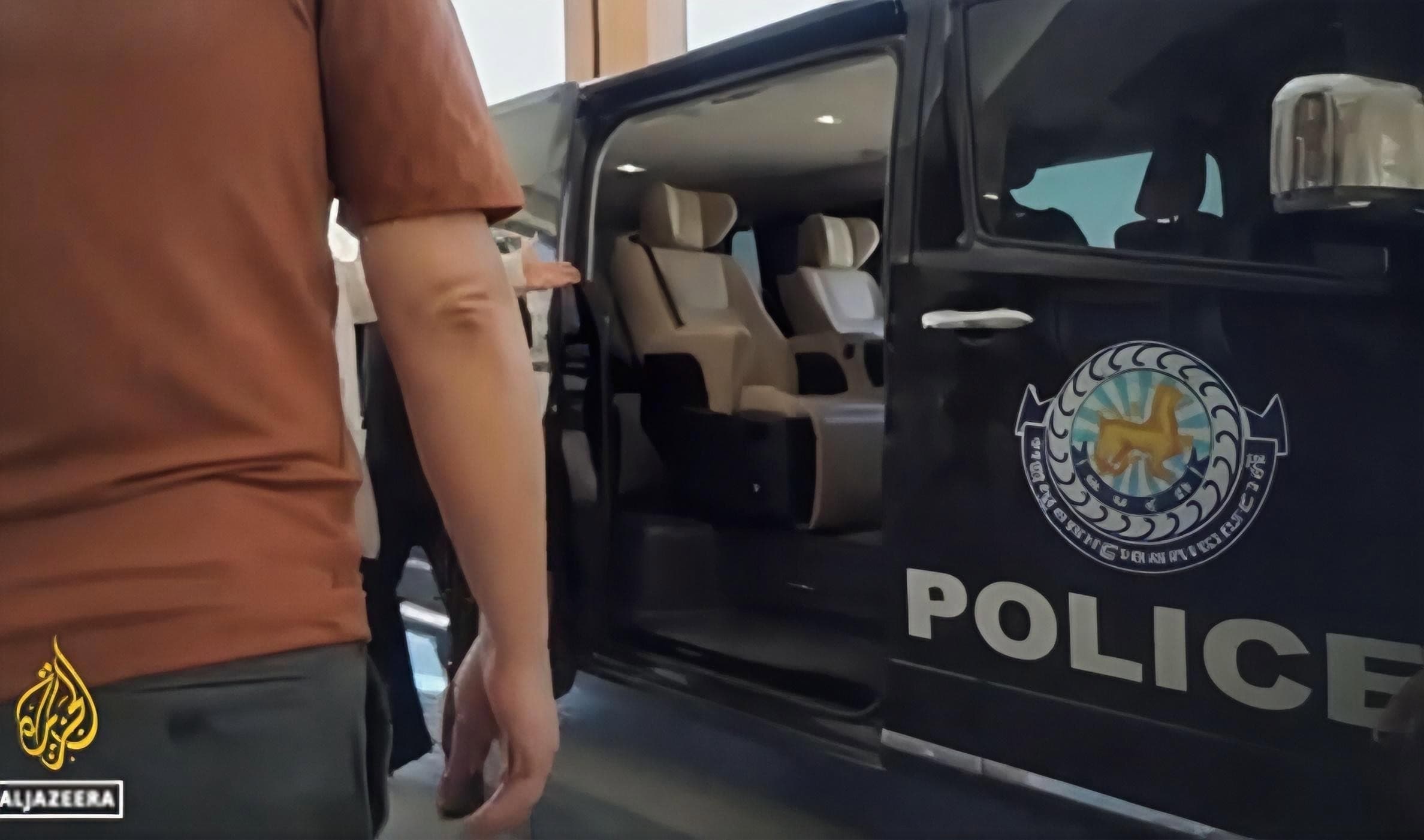
Cambodia’s Ministry of Interior says no state institution authorises the use of police vehicles or other government resources to serve private interests, especially those linked to illegal activity. The ministry also suggested that claims of profit-sharing with officials in exchange for police protection may be an attempt by private individuals to inflate their own influence.
The response follows an Al Jazeera investigative documentary, released on October 10, which alleged that hotels and tourist facilities were being used as fronts for online scam operations. The programme also questioned links between businesspeople accused of involvement in scam compounds and people connected to state institutions.
Ministry dismisses claims of payments to officials
Touch Sokhak, the ministry’s deputy spokesperson, said remarks by Deng Pibing in the documentary about paying money to secure stability and protection for his business could be nothing more than bragging. He argued that Deng may have been trying to impress his guests, who were in fact undercover reporters posing as investors interested in an illegal criminal enterprise.
“This is simply boasting and showing off power to his associates, making himself look extraordinary and backed by influential people,” Sokhak said.
He added that if a profit-sharing arrangement between private individuals and government officials were proven, it would be an unlawful act, not a deal sanctioned by any public body. “No public institution shares profits from improper activities or hands out benefits to private individuals,” he said.
In the documentary, Deng was filmed saying that a large part of his earnings went to local authorities in return for stability and protection at the Long Bay compound in Dara Sakor, Koh Kong province. He reportedly said he kept only $2 of every $10 in profit, with the other $8 distributed to keep the business running. However, these claims alone do not establish that any official received payments or took part in protecting illegal activity.
Sokhak did not say whether the ministry had opened a specific investigation into the alleged bribery.
Questions over police vehicles
On footage showing vehicles with police licence plates and insignia, Sokhak maintained that no state institution allows government vehicles to be used for private purposes. “No state institution authorises the use of government vehicles, whether they carry official plates, logos or sirens, to serve private individuals, particularly for activities that break the law,” he said.
He explained that privately owned vehicles are sometimes modified or fitted with fake licence plates, government insignia and sirens to suggest they belong to a state body or have official approval. Such practices, he said, may be used to show influence, intimidate others or give the impression that the users have ties to the authorities.
Sokhak did not confirm whether the vehicles in the documentary were genuine police vehicles or private cars with counterfeit markings. He also did not name any officers who might be involved or say whether an investigation into the vehicles had begun.
Police officer seen with suspect
The documentary also featured several scenes with Cheat Mony, reportedly a member of the national police’s bodyguard department. In one, she calls Deng her “big brother”; in another, filmed at a nightclub, she is surrounded by illegal drugs.
Sokhak said police regulations and professional codes of conduct bar officers from unethical behaviour and from taking part in illegal businesses. He stressed that judging any relationship between two people requires looking at the context in which they met, whether a crime was committed, and whether either party knew about the other’s alleged illegal activities.
“In all circumstances, we must rely on the facts, the law and evidence to ensure equality and justice,” he said.
Long Bay crackdown and past meetings
Sokhak said Cambodian authorities had already raided the Long Bay compound after administrative inquiries turned up evidence of technology-related fraud. He noted that the documentary combined Al Jazeera’s own footage with earlier operations by Cambodian law enforcement, ranging from administrative inspections to raids where evidence of crime was found.
“The authorities have already carried out the crackdown, which was reported by international media. Al Jazeera’s documentary itself also confirmed that the location had previously been raided by the authorities,” he said.
He did not provide the date of the raid, the number of suspects arrested or the compound’s current operating status.
Sokhak also addressed images of businesspeople meeting senior government leaders. He argued that photos of earlier legitimate business dealings or talks about lawful investment projects should not be used to link officials to someone’s later illegal activities without evidence. “We cannot take photographs of those previous meetings and link them to an individual’s wrongdoing or illegal activities,” he said.
In his view, legal responsibility must rest on provable conduct and evidence, not on personal connections or pictures of past meetings.
The documentary raises the possibility that online scam networks have used personal connections, official insignia and legitimate business premises to hide illegal operations. The ministry maintains that using state resources for private interests and profiting from illegal activity were never authorised. However, questions remain about investigations into the individuals and officials named in the documentary, and about the outcome of the Long Bay crackdown.