 Mekong Monitor
Interior Ministry Finds Over 2,200 Duplicate Personnel Records as Dismissals Fall
Interior Minister Sar Sokha says more than 2,200 duplicate personnel entries have been found and dismissals for misconduct are declining. A nationwide police census and rank reforms are underway to align records and positions.
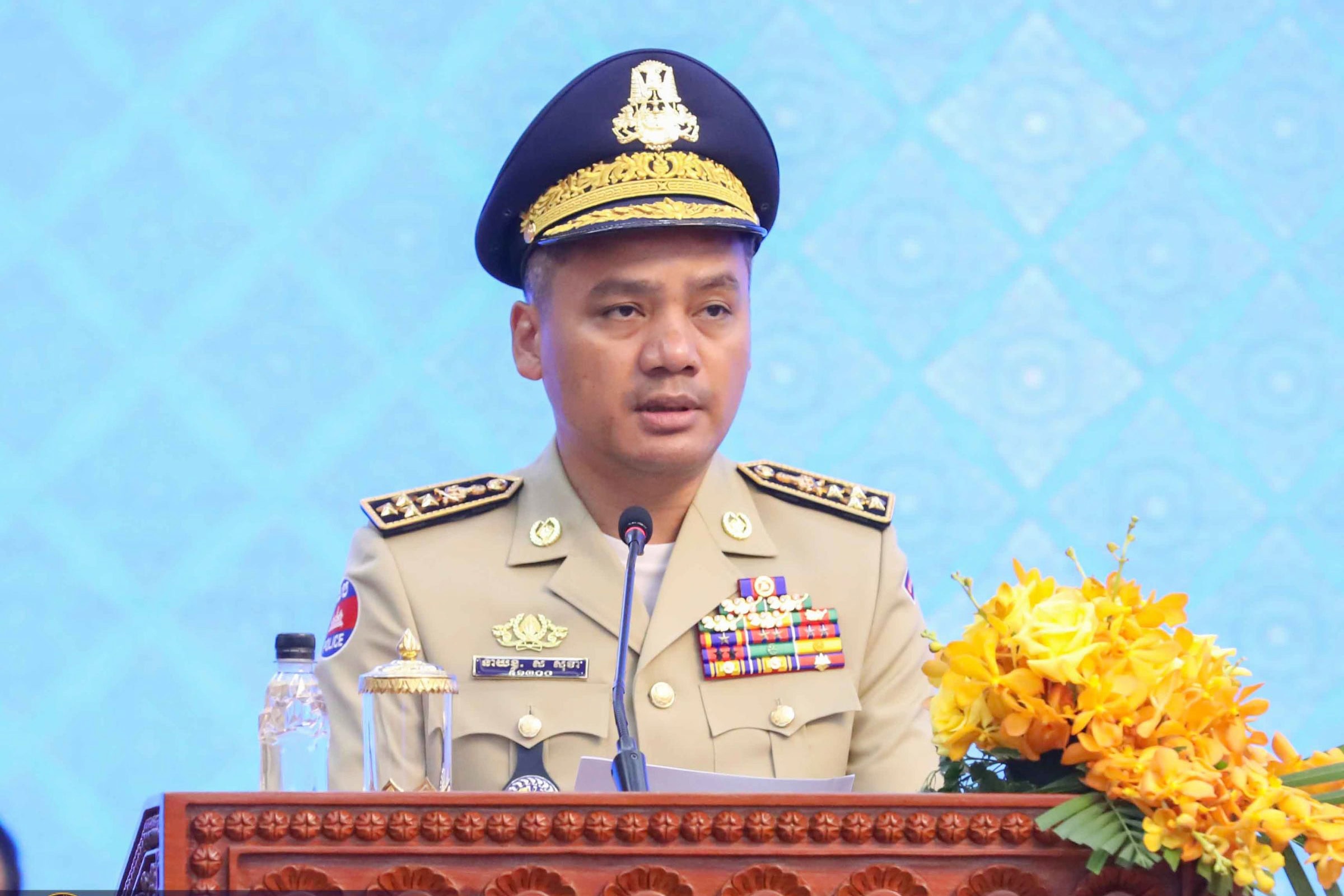
Interior Minister Sar Sokha has reported that more than 2,200 duplicate personnel entries have been found in the ministry's workforce. He also said the number of security personnel dismissed or removed from their posts has dropped.
Sokha said the ministry is carrying out reforms to make sure every officer's rank matches the job they hold and the responsibilities that come with it.
A nationwide personnel census
The ministry has started a nationwide census of police officers and civil servants to build an accurate personnel register. Sokha described the census as the first of four major priorities for the security forces.
Speaking at the launch of the national police census at ministry headquarters on November 17, Sokha laid out six goals for the exercise:
- Identifying the current workforce
- Determining real staffing needs
- Assessing each officer's capabilities
- Strengthening administrative management
- Modernising personnel management
- Using the findings to guide decisions
He said the census is part of the government's seventh-mandate reform agenda. The aim is a long-term human resources database that improves operational efficiency and reduces unnecessary spending from the national budget.
The first phase covers three departments: the General Department of Human Resources, the General Secretariat, and the General Department of Digital Technology, Education and Dissemination. Specialist teams will then move on to other ministry-level units before extending the work to all 25 municipal and provincial police commissariats across the country.
Sokha stressed that the census is not meant to restrict or penalise officers. Instead, he said, accurate records will ensure that officers receive the legal protections and entitlements they are owed, help the forces improve their discipline and professional skills, and give leaders a clearer picture for strengthening each unit and the institution as a whole.
Discipline and dismissals
Sokha also addressed the dismissal of officers and security personnel found to have committed misconduct. He acknowledged public demands that officials guilty of wrongdoing face punishment, dismissal or other sanctions. However, he said such decisions cannot be driven by emotion or public pressure, warning against what he called “Facebook courts” or “social media courts.” Proper investigations, inquiries and assessments are required, he said, and designated working groups are responsible for them.
He said one of the most encouraging results of the reforms is better day-to-day conduct among security personnel, which is reflected in fewer dismissals. Sokha noted that dismissals linked to drug offences remain a separate matter, but dismissals resulting from misconduct in the course of duty have fallen sharply. He attributed this to officers having a better understanding of the rules and regulations that govern the forces.
Training and rank reform
On human resource development, Sokha said the ministry has sent more than 2,000 Cambodian security personnel abroad for training. Language training is among the first priorities, given Cambodia's borders with Laos, Vietnam and Thailand. Despite current tensions with Thailand, he said Cambodia is working with Laos and Vietnam to teach personnel their languages so that officers at the local level can communicate with their counterparts across the border. He added that he had already presented proposals to Vietnam's Minister of Public Security and senior officials at Laos' Ministry of Public Security, and both sides have agreed to the initiative.
The ministry is also overhauling how ranks are awarded so they correspond to actual posts and duties. Sokha said handing out ranks above what a position requires is being addressed under the current government mandate. As an example, he said a Grade K post should not come with an inflated rank. A colonel's position should carry a colonel's rank, and a one-star general's post should carry a one-star rank, not a two-star rank.