 Mekong Monitor
Hun Manet Explains to Anutin Why Cambodia Raises Its Border Dispute on International Stages
Prime Minister Hun Manet says he told Thai Prime Minister Anutin Charnvirakul in person why Cambodia keeps raising its border dispute at international forums. He argues that every member state has the right to highlight issues affecting its people.
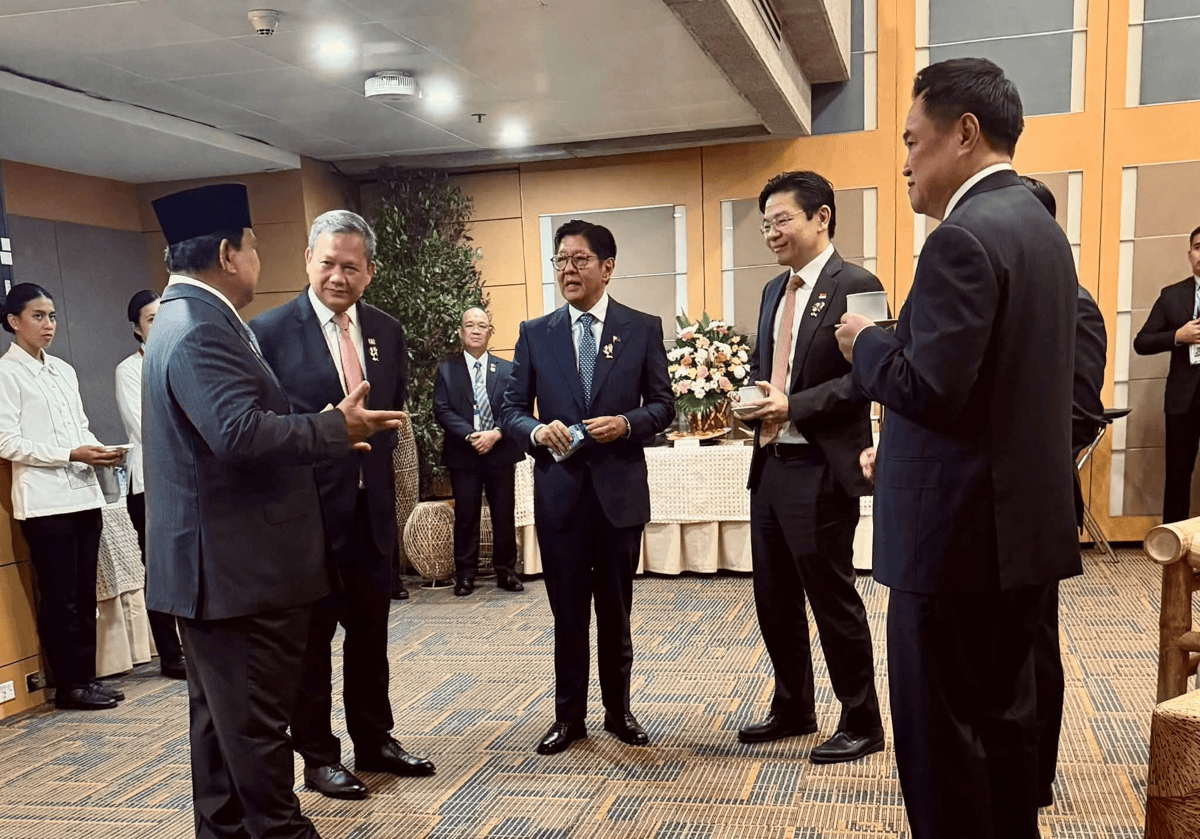
Prime Minister Hun Manet has described a face-to-face exchange with his Thai counterpart, Anutin Charnvirakul, in which he explained why Cambodia has repeatedly raised its border dispute with Thailand at international forums, including the recent Francophonie Summit. He argued that Cambodia, like every member state, has the right to inform other members about issues affecting its territory and its people.
Manet said the conversation took place in the Philippines during the ASEAN-US Special Summit. He told Anutin that full members of multilateral organisations are entitled to share their challenges with fellow members.
He gave this account on the morning of November 19, while attending the opening of upgraded infrastructure and the installation of medical equipment at 61 district referral hospitals.
According to Manet, Anutin asked why Cambodia was bringing a bilateral dispute into multilateral settings, and why it kept mentioning the roughly 20,000 civilians displaced by the conflict.
Manet rejected the idea that anyone can dictate the agenda for a head of government. He compared such restrictions to a university essay with a required topic, insisting that leaders should not be told they can discuss only one subject or be penalised for raising another. He said countries of every size have equal standing to raise the issues that concern them, so that their people can be informed. In his view, world leaders have already recognised that the problem stems from war.
Manet also said he had set out Cambodia's position on resolving the dispute peacefully. Cambodia proposes conducting border surveys based on agreements already in place, he said, so that the international community and other organisations can grasp the situation and help bring the Thai side to the table.
The dispute was first raised on November 15, at the opening of the Francophonie Summit. Manet described what Cambodia calls the illegal occupation of its territory and the blocking of around 20,000 people from returning to their homes. The same day, Anutin posted on his personal Facebook page, urging both countries to stop internationalising bilateral issues and to rebuild trust through confidence-building measures if they want friendship restored. He also said Thailand would not raise territorial or humanitarian disputes with countries that are not party to the conflict, while affirming Bangkok's commitment to international law and peaceful negotiations.
Manet responded that Cambodia was not asking international forums to settle a bilateral dispute. Rather, it was informing fellow members of ASEAN and the Organisation internationale de la Francophonie about the challenges it faces as a full member. He argued that the border conflict belongs in discussions about peace, given its humanitarian toll on Cambodian civilians forced to flee their homes.
He said the central theme of such gatherings is peace, including how to share its benefits and maintain it. Cambodia raised the conflict and its harm to the country, he said, so that others would understand the situation.
Manet added that Cambodia was not only describing its problems but also putting forward its preferred solution: border surveys carried out in line with agreements both sides have already reached.
Finally, Manet clarified that his talk with Anutin in the Philippines was neither a formal nor an informal meeting. It was simply a brief conversation between sessions.