 Mekong Monitor
Flooding Sparks Measures to Safeguard HIV Treatment Access
AHF Cambodia is securing emergency antiretroviral supplies and stepping up continuity-of-care measures as seasonal flooding since September 24 disrupts transport and access to clinics in several provinces. The group says its 42 supported treatment sites remain open and it will distribute 551 relief kits to affected households and ART clients.
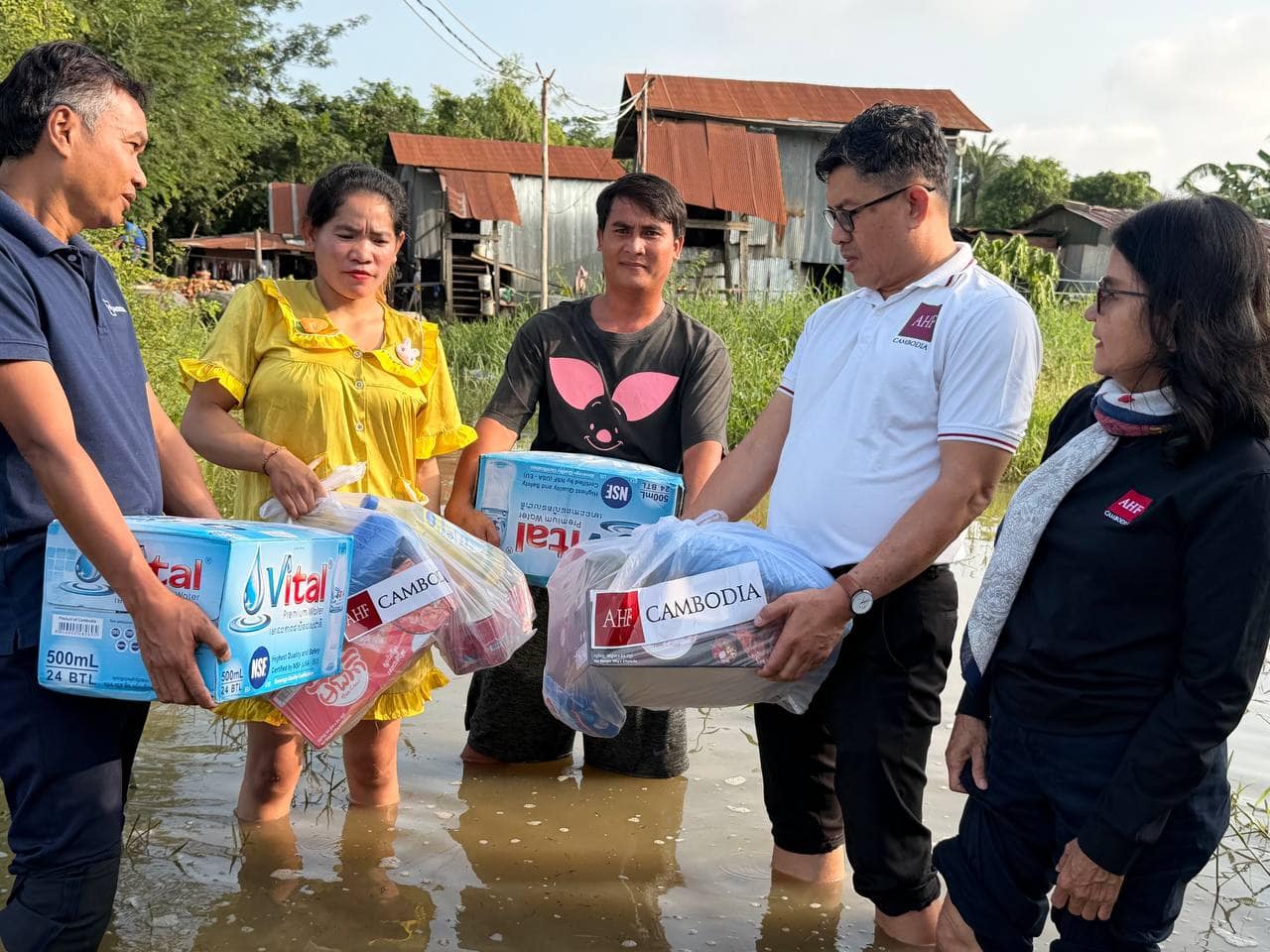
The AIDS Healthcare Foundation (AHF) Cambodia is working alongside government authorities to secure emergency stocks of antiretroviral (ARV) drugs for people living with HIV in flood-prone areas, after damaged transport links began threatening access to routine treatment.
Since September 24, prolonged seasonal rainfall and flooding have submerged communities across several provinces, damaging transportation routes and undermining local livelihoods.
According to AHF Cambodia, the health service sites it supports in the affected regions are still running, and field teams are keeping a close watch on conditions while staying in touch with facility staff and affected communities.
Dr Chan Phanna, the organisation's country programme manager, said preventing bad weather from breaking treatment access for people living with HIV is the immediate priority.
"Flooding should never become a reason for someone living with HIV to interrupt treatment. Our priority is to keep clients connected to care and ensure they can continue receiving ARV medication even when transport and normal access to health facilities are disrupted," he said.
Unbroken access to medication matters even when clinics themselves stay open, since submerged roads, interrupted public transport and hard journeys between communities can stop clients from reaching their usual facilities to collect prescriptions.
AHF said it is cooperating with the government to arrange emergency medication supplies for people living with HIV in flood-risk zones.
It is also urging clients in vulnerable areas to hold one to two months' worth of ARV medication where possible, lowering the risk of running out should transport or clinic access be cut off.
Phanna added that backup arrangements are equally vital for clients whose usual facilities become temporarily unreachable.
"If a client's usual health facility becomes inaccessible, that should not mean treatment stops. Clients should contact community networks or HIV services so they can be directed to another functioning facility or medication distribution point," he said.
AHF advised people living with HIV whose regular facilities are flooded or unreachable to call local community-based organisations or national HIV service hotlines, which can point them to alternative sites still providing services.
On September 30 and October 1, the organisation plans to hand out 551 relief kits to vulnerable households and ART clients hit hard by the severe flooding in Battambang, Poipet in Banteay Meanchey province, and Pursat province.
The packages contain food, household items and hygiene supplies meant to ease immediate health and economic strain on families.
For people living with HIV, AHF said the response is designed not only to meet urgent household needs but also to protect continuity of care during the emergency.
Phanna noted the two are closely linked, as lost livelihoods and broken transport make it harder for vulnerable clients to stay on treatment.
"The emergency kits address immediate needs such as food, household supplies and hygiene, but our response also focuses on continuity of HIV care. For people living with HIV, protecting access to lifesaving treatment during an emergency is essential," he said.
AHF Cambodia currently supports 55,976 people living with HIV on antiretroviral therapy (ART) through 42 treatment sites spanning 19 provinces and the capital, according to figures supplied by the organisation.
It is also working to strengthen systems for spotting clients who miss appointments and reconnecting them to care via clinic staff, counsellors and community networks.