 Mekong Monitor
Carney Calls on Francophone Nations to Protect Strategic Autonomy and the French Language
Prime Minister Mark Carney urged Francophone nations to work together on technology, AI and cultural sovereignty to protect their independence and the French language. He also outlined Canada's priorities ahead of its 2028 chairmanship of the Francophonie.
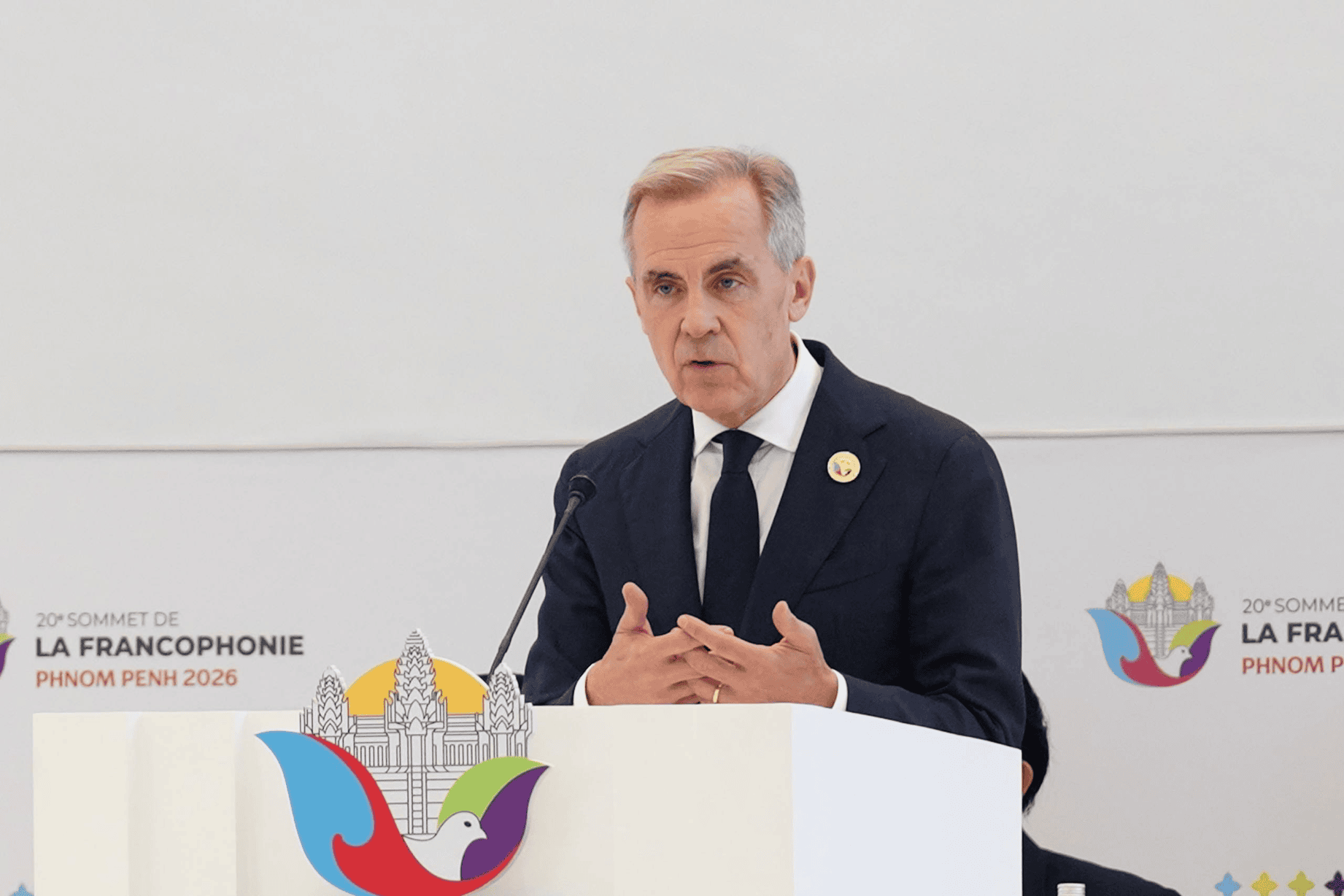
Canadian Prime Minister Mark Carney has urged member countries of the Francophonie to strengthen their independence by working more closely on technology, artificial intelligence and cultural self-determination. He warned that powerful states are increasingly turning economic ties and supply networks into tools of leverage.
Speaking at the closing ceremony of the 20th Francophonie Summit on November 16, Carney argued that autonomy should reach well beyond the familiar areas of energy, food and physical security. In his view, it must also cover critical minerals, space, financial systems and cultural sovereignty, and he suggested French could play a key role in that effort.
He pointed to tariffs, control over financial infrastructure and supply chains as weak spots that others could exploit. No country, he said, can achieve true independence alone. Instead, nations should form flexible partnerships grounded in shared values and interests, with different coalitions tackling different challenges.
Protecting French in the Digital Age
Carney said language falls under the same logic. French, he stressed, is one of the Francophonie's greatest assets, and keeping it strong will require joint action on technology, media, social platforms and AI.
He cautioned that digital tools risk deepening existing inequalities and the dominance of a few languages. AI models trained mostly on widely spoken languages tend to favour common phrasing and overlook the variety of human expression. These systems, he added, are never neutral, since the material used to train them can gradually shape how people speak and write.
Making French-language content easier to find online, Carney argued, is not censorship or protectionism. It is a way to keep Francophone cultures visible as daily life becomes more dependent on technology. Languages, he said, are too important to be left entirely to market forces, and countries should be able to ensure their citizens can find their own stories and languages on the platforms they use.
He reaffirmed Canada's commitment to defending French and Francophone cultures, including against pressure from large technology companies and powerful neighbours.
Canada's Priorities Ahead of Its 2028 Chairmanship
Canada will chair the Francophonie in 2028. Carney outlined five priorities for that period, including strengthening French in public life, improving its presence on digital platforms, developing shared AI resources and ensuring creators are fairly compensated. He also projected that the number of French speakers could double within 25 years, with about 85 percent living in Africa. Young people and economic cooperation will therefore be central to the next summit, which Canada will host on September 7 and 8, 2028.
Closing his remarks, Carney stressed that a language survives only while people keep speaking it, singing it, writing it, reading it, imagining with it and debating it. He urged Francophone countries to protect French and help it find new voices around the world.