 Mekong Monitor
Cambodian Ruling Party Opposes Sanctions That Violate International Law at Moscow Forum
The Cambodian People's Party has spoken out against economic sanctions that conflict with international law and WTO rules. Its delegation made the case at a forum in Moscow that also covered cooperation on culture and transnational crime.
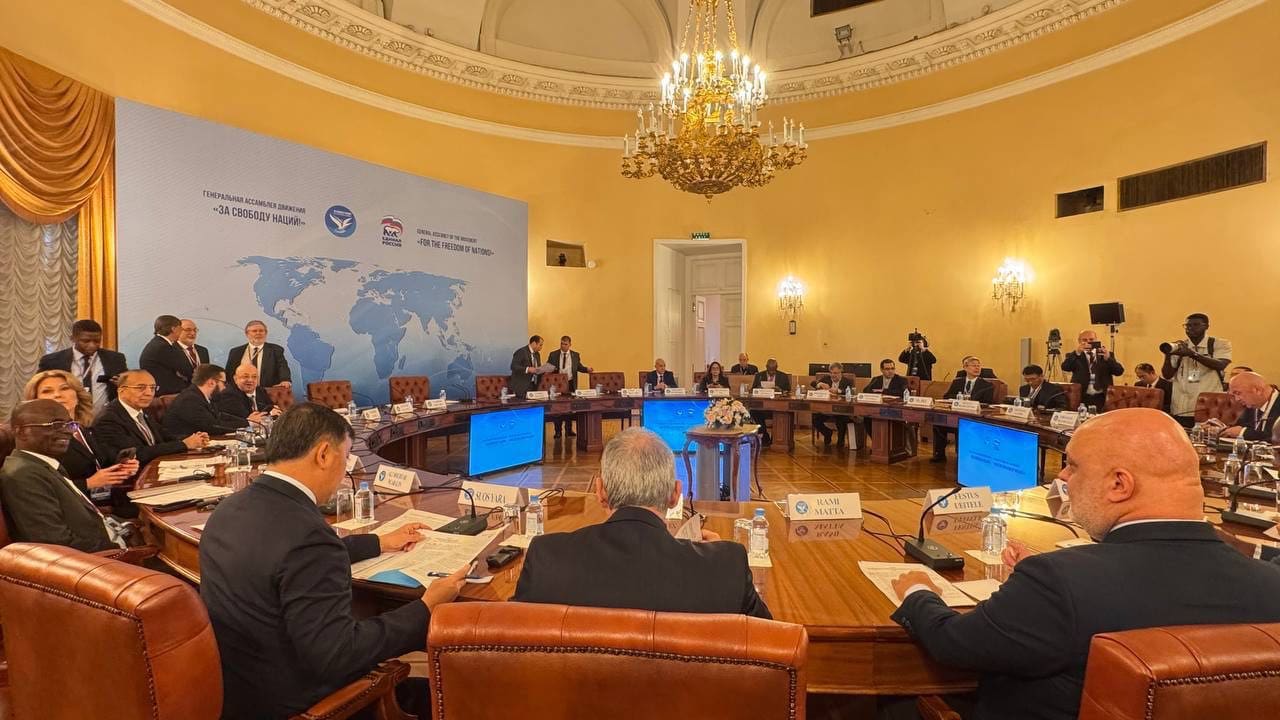
The Cambodian People's Party (CPP) has voiced its opposition to economic sanctions that break international law and World Trade Organization (WTO) rules. Speaking at a forum in Moscow, the party urged all nations to avoid measures that could disrupt global supply chains and international payment systems.
The CPP's position was presented by a delegation at the plenary session of the Freedom of Nations Congress, held from November 15 to 18, according to a party statement issued on November 18. The statement did not name any particular sanctions or countries.
The delegation was led by Suos Yara, a Central Committee member and first vice-chair of the party's foreign relations commission. It was invited by the United Russia party and included Kim Santepheap, representing the CPP's central youth wing, along with economic experts and other senior party officials.
Three Areas of Cooperation
At the session, the delegation addressed three areas of cooperation:
- Trade and economic relations
- Cultural and humanitarian exchanges
- Efforts to combat transnational crime
On culture, the delegation called for the return of artworks that were stolen, looted or seized during wars, as well as objects taken during the colonial era. It also encouraged young people to help protect World Heritage sites and to take part in cultural exchanges.
On security, it urged countries to deepen bilateral cooperation against cross-border crime, strengthen law enforcement and offer reciprocal legal protections to their citizens and officials.
According to the CPP, the congress brought together representatives from more than 80 political parties in 72 countries across Asia, Europe, Latin America and Africa. Discussions covered politics, economics and culture, including how outside interference in domestic affairs can undermine the independence and sovereignty of states.
The delegation also marked the 50th anniversary of the Treaty of Amity and Cooperation in Southeast Asia, pointing to the treaty's role in encouraging dialogue and cooperation among states.