 Mekong Monitor
Cambodian Retailers Get New Training to Curb Alcohol Sales to Minors and Drunk Customers
An industry-backed programme now offers Khmer-language training to Cambodian shop, bar and restaurant staff on checking customer ages and refusing sales to minors and intoxicated buyers.
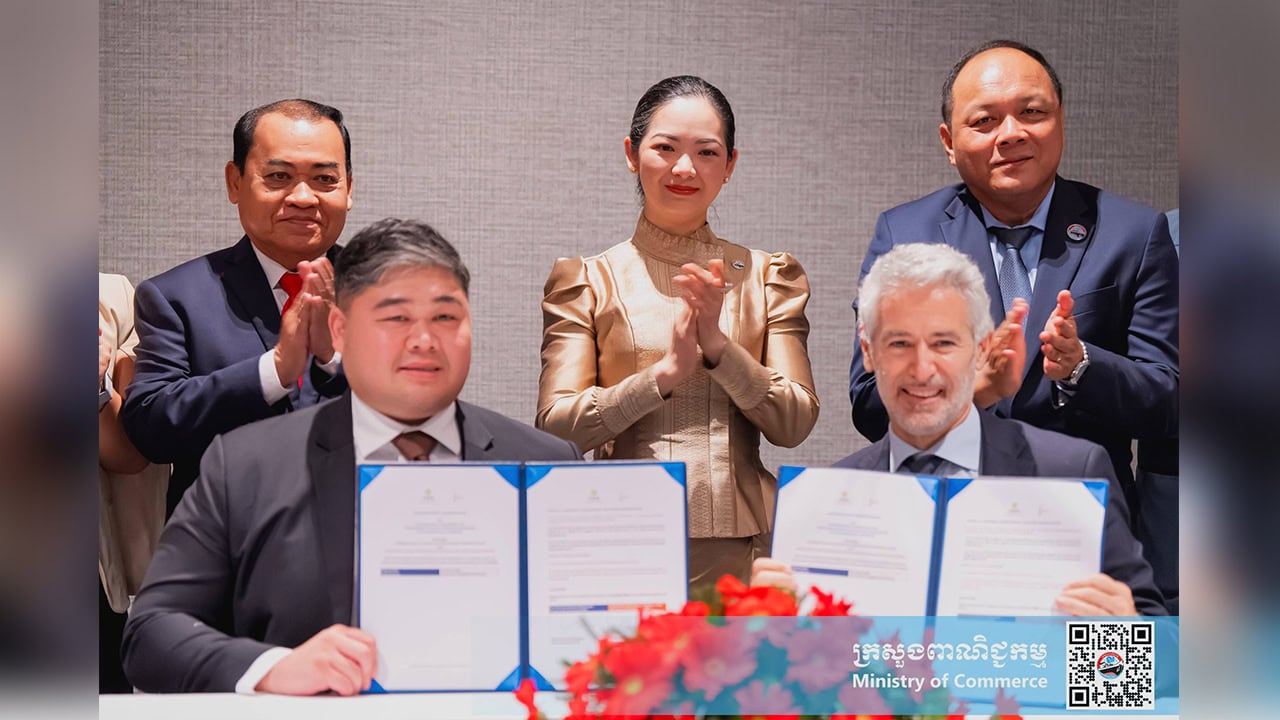
Alcohol sellers in Cambodia can now take part in Khmer-language training on checking customers' ages and turning away minors and visibly intoxicated buyers. The industry-led scheme has the backing of the Ministry of Commerce. Its aim is to make these safeguards a routine part of work in shops, supermarkets, restaurants, bars and hotels.
The Responsible Retailing Excellence Programme was launched in Phnom Penh on October 5. The Wine Spirit & Beer Importers and Distributors Association (WSBIDA) and the International Alliance for Responsible Drinking (IARD) signed a memorandum of understanding at the Hyatt Regency Phnom Penh to carry out the programme. Commerce Minister Cham Nimul attended the signing.
The programme targets frontline staff, who decide in the moment whether an alcohol sale goes ahead. They are often the ones who must ask for identification or refuse service, and those conversations can be awkward.
IARD President and CEO Julian Braithwaite said at the launch that employees may need to ask a customer for proof of age, stop a sale to someone underage, or decline to serve someone who is drunk. He stressed that staff must be able to handle these moments calmly, politely and professionally.
What the training covers
The course addresses age verification, stopping sales to minors, spotting the signs of intoxication and explaining a refusal clearly. The organisers say the online materials have been translated into Khmer and adapted to the way shops and venues actually operate in Cambodia.
Braithwaite said the material is meant to become part of new-staff induction, refresher courses and everyday business procedures. He also drew a line between the roles of business and government. Public authorities set policy and the legal framework, he said, while companies are responsible for training their staff and applying safeguards when they sell or serve alcohol. He added that this is no replacement for regulation, but a way for businesses to support public policy through practical steps.
Retailer commitments
WSBIDA member Mike Vongsykeo listed several measures retailers will follow. These include asking for proof of age, displaying age-restriction signs and refusing sales to customers who are intoxicated. Staff are expected to check the age of anyone who appears to be under 18 and is buying alcohol. Acceptable documents include a passport, a national identity card or a valid driving licence.
For online sales, Vongsykeo said customers would be asked for their date of birth before they can enter a website or app, and proof of age would be checked on delivery. He noted that these remarks describe retail practice and do not announce a new national minimum purchasing age.
Other measures include training staff on how alcohol affects the body and how to recognise heavy drinking, showing alcohol content and health or pregnancy warnings on products, and avoiding promotions that encourage irresponsible drinking. Vongsykeo said staff need simple, clear steps for age checks, refusals and difficult situations, backed by induction and refresher training.
Reaching smaller businesses
WSBIDA President Tan Ser Chhay noted that Cambodia's retail sector ranges from large firms with well-established systems to small independent outlets. Guidance therefore has to work in very different settings. He said in his opening remarks that standards only make a real difference when people understand them and apply them daily.
The online platform is designed to reach beyond Phnom Penh and lets employees go back over the training whenever they need to. According to a joint release, businesses will also be able to track and assess what their staff have learned through the platform.
Tan said the association will work with its members and industry partners to promote the programme, review retail practices and strengthen them over time. He added that responsible retailing should become a normal part of doing business in Cambodia.
Building on earlier efforts
According to WSBIDA, the programme follows earlier industry work, including a responsible marketing code introduced in 2017 and renewed in 2024. The new partnership puts the spotlight on decisions made at the point of sale. Its organisers want age checks and refusals of inappropriate sales to become standard practice in staff training and daily business operations.