 Mekong Monitor
Cambodia Urged to Build Domestic Capacity Before LDC Graduation
Senior Minister Sok Siphana is urging Cambodia to strengthen local suppliers, workforce skills and business costs ahead of its 2029 LDC graduation. The goal is to keep more export value at home while staying connected to global markets.
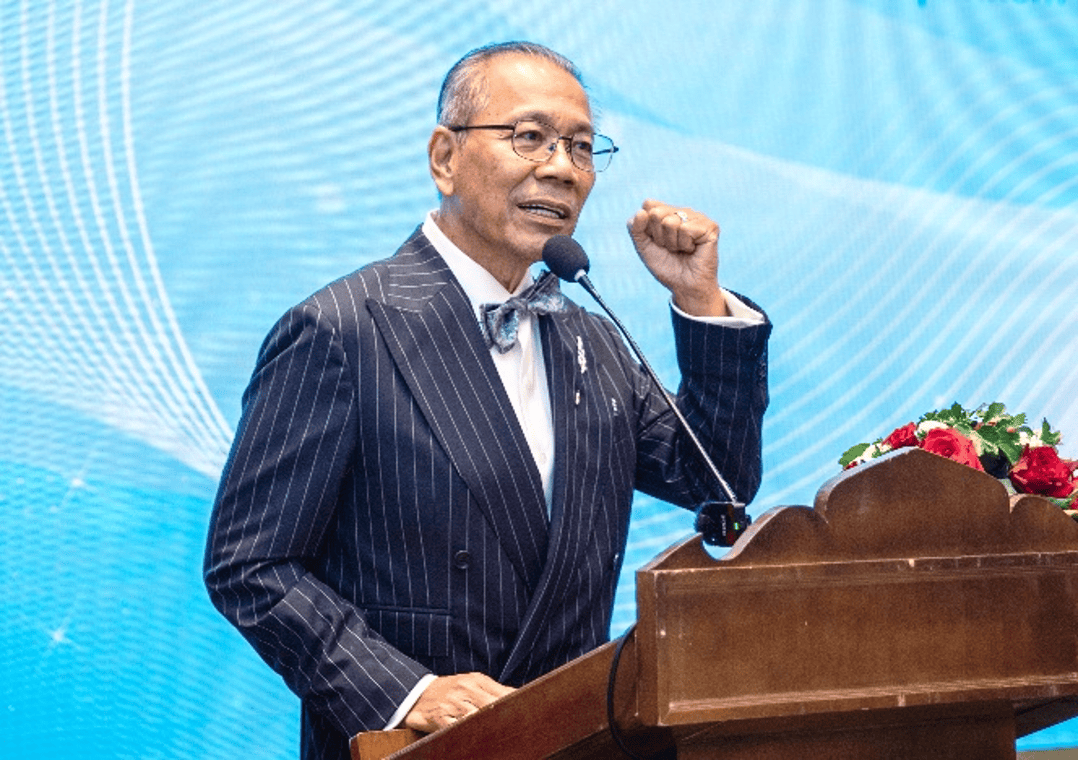
A senior Cambodian official is calling on the Kingdom to drive growth from within rather than depending mainly on incoming capital.
Speaking at a business forum on November 17, Senior Minister Sok Siphana argued that Cambodia must build stronger local supplier networks, raise the skills of its workforce and lower the cost of doing business, so that more of the value generated by exports stays in the country.
His “Cambodia Openness 2.0” strategy centres on developing domestic capabilities while keeping access to foreign markets, with the country's scheduled graduation from Least Developed Country (LDC) status in 2029 as the backdrop.
According to details shared by Forte, which organised the forum, Siphana said the next phase of development should keep more value inside the economy instead of leaning largely on foreign investment. The goal is to put local businesses, workers and suppliers at the heart of the transition, helping them gain more from investment and export activity.
Siphana, who serves as senior minister in charge of special missions on multilateral trade and economic affairs and chairs the Trade Policy Advisory Board, named three urgent priorities ahead of graduation:
- Strengthening institutional credibility and reducing systemic costs.
- Preparing exporters for tariff changes linked to the European Union's GSP+ (Generalised Scheme of Preferences Plus) arrangement.
- Upgrading local supplier networks, workforce skills, and green and digital competitiveness.
His remarks tied the shifting trade preferences to the wider task of improving the conditions under which Cambodian firms operate.
Market access remains a central concern. The release pointed to bilateral goods trade between Cambodia and the EU reaching €7.3 billion in 2025, a figure that highlights how important the European market is to the Kingdom's trade relationships.
Building Local Capacity
The emphasis on local suppliers reflects a broader goal: ensuring that domestic companies capture a larger share of the economic activity generated by exports and investment. Workforce development is part of the same effort, with skills upgrading seen as essential to competitiveness, alongside businesses' ability to meet green and digital requirements.
Forum Highlights
Themed “A New Growth Model for Cambodia: Cambodia Openness 2.0”, the event brought together government officials, corporate executives and industry representatives to discuss export competitiveness, domestic capacity and financial resilience.
In his opening remarks, Forte Group CEO Youk Chamroeunrith said businesses have a role in supporting economic resilience through risk management and cooperation. He stressed that sustainable growth depends not only on market access but also on productive, well-protected companies and a thriving workforce.
Other sessions explored how workforce wellbeing, financial protection and enterprise competitiveness are connected, and how businesses and families can prepare for unexpected disruptions.
Overall, Siphana's approach places the coming transition within a larger economic agenda: keeping export opportunities open while strengthening the institutions, businesses and workforce needed to sustain growth and keep more of its benefits at home.