 Mekong Monitor
Cambodia's Tyre Exports Surge 80% as Rubber Demand Climbs
Cambodia's tyre exports earned more than $1.7 billion in the first nine months of the year, a 77 per cent rise that reflects growing investment in tyre factories and rising demand for locally grown natural rubber.
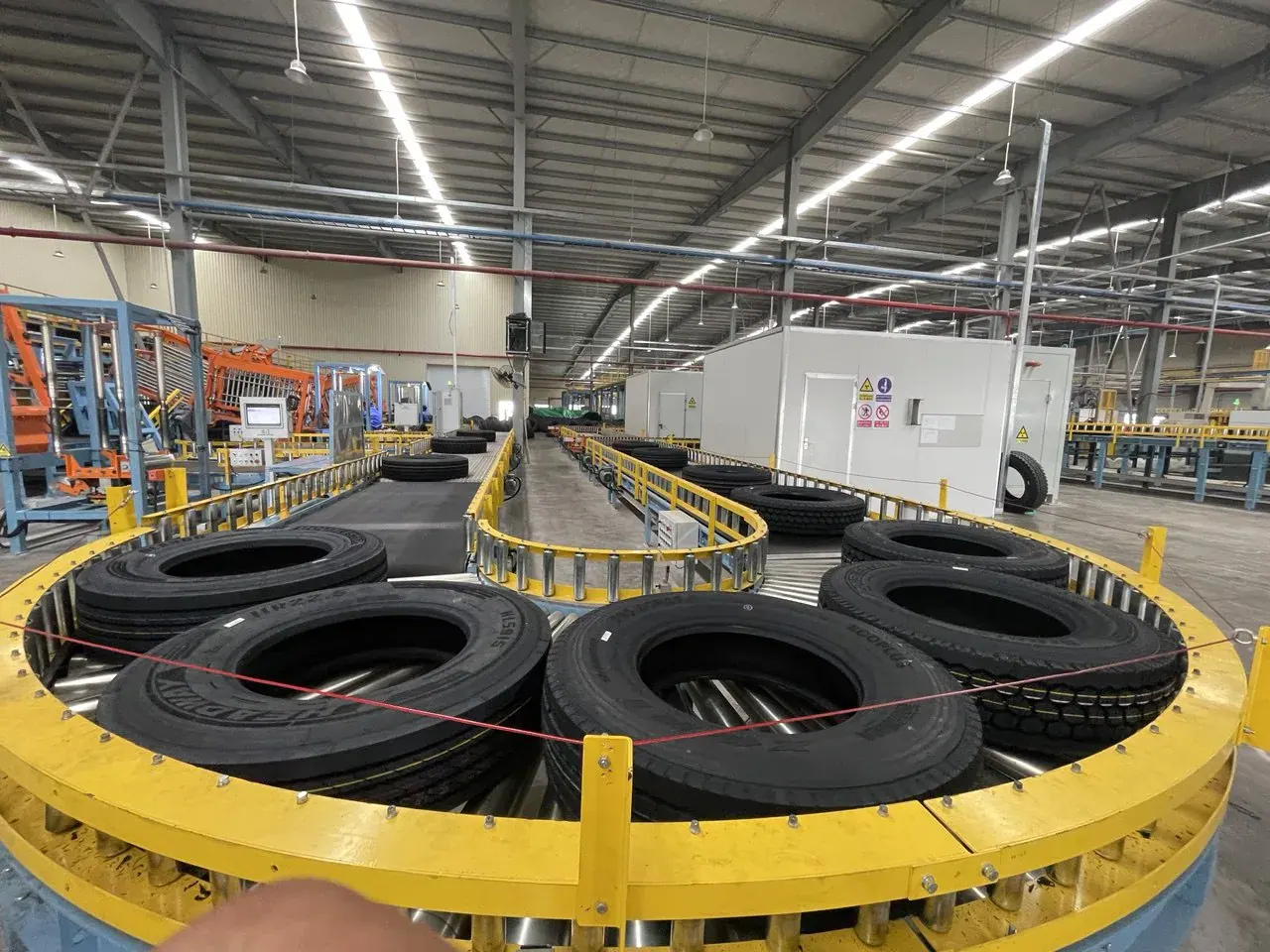
Cambodia's tyre export industry is becoming one of the country's fastest-growing sources of foreign income. Between January and September, tyre exports brought in more than $1.7 billion.
The General Department of Customs and Excise of Cambodia reported that tyre exports earned the Kingdom $1.723 billion over that nine-month period, a rise of 77.46 per cent from a year earlier.
Kin Oudomonysinat, chief executive of tyre manufacturer Sailun Tire Cambodia, said several advantages are helping the country grow into a regional tyre export hub. These include a steady supply of locally grown natural rubber, a business-friendly legal framework, a large labour pool and, above all, strong demand from overseas buyers.
He said these strengths have drawn a growing number of leading tyre makers to set up production plants in Cambodia to supply international markets. As more factories begin operating, rubber cultivation and output are improving, and demand for natural rubber is rising each year. He expects tyre exports to keep expanding substantially.
A Stronger Domestic Market for Rubber
The rapid growth of tyre manufacturing is also creating a more robust domestic market for natural rubber. Oudomonysinat noted that Cambodia's rubber products once relied almost entirely on overseas markets. Now, he said, there is significant demand at home, which opens up new opportunities for local farmers and rubber producers.
He also argued that Cambodian rubber compares favourably with supplies from other ASEAN countries in terms of quality. As an example, he pointed to Sailun tyres made in Cambodia using locally sourced rubber.
Key Figures
- Tyre exports reached $1.38 billion in 2025, up 57.86 per cent from 2024, according to the Ministry of Commerce.
- As of July 2026, Cambodia had 448,051 hectares of rubber plantations, according to the Ministry of Agriculture, Forestry and Fisheries.
- Of that total, 357,483 hectares, or 80 per cent, were mature plantations being tapped for latex.
- The remaining 90,568 hectares, or 20 per cent, were immature plantations or areas still under maintenance.
The expansion of tyre manufacturing is tightening the links between Cambodia's farming and industrial sectors. It is also creating added demand for natural rubber at home and broadening the country's export base.