 Mekong Monitor
Cambodia Rolls Out Military Service Law as Analyst Urges Fair, Transparent Selection
Cambodia has begun implementing its military service law, setting out registration and application dates while an analyst warns that fair selection and strict oversight are essential.
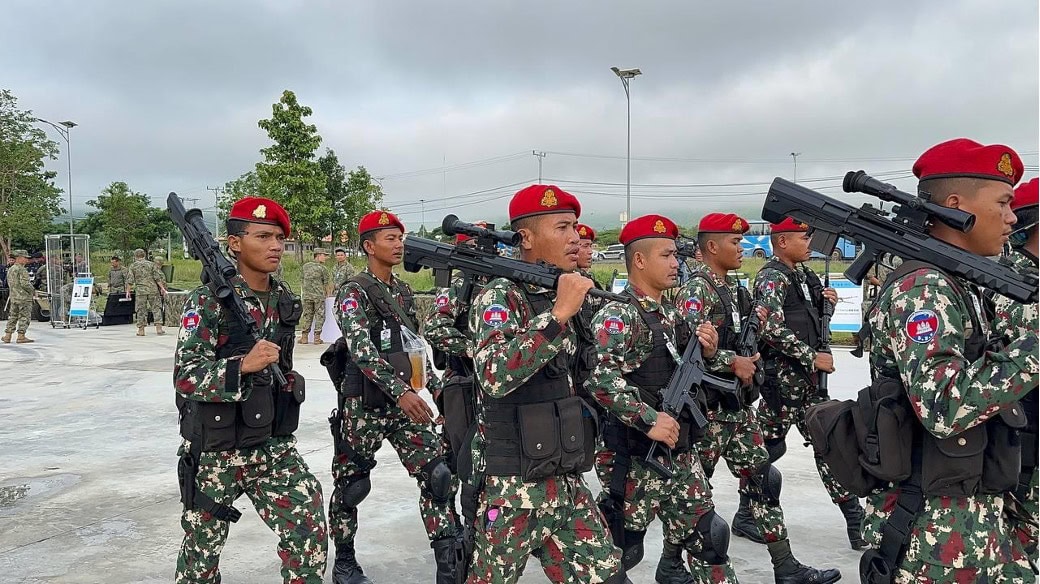
Cambodian citizens aged 18 and over who want to fulfil their military service obligations can pick up application forms between October 1 and 9, with submissions accepted from October 10 to 15. Applications are filed at military police offices in the relevant cities, districts and khans.
The Law on Military Service was promulgated on May 24. The Ministry of National Defence will decide how many recruits are needed, but it has not yet announced a target figure.
Under a sub-decree governing the law's implementation, all Cambodian citizens aged 17 to 25 as of the end of December each year are required to register.
Who must apply and how recruits are chosen
Applicants need to present a national ID card, a family or residence book, and a birth certificate.
The defence ministry estimates that roughly 5 million Cambodians currently fall within the eligible age range. Service will apply only to people who receive call-up notices, and selection will combine voluntary participation with a lottery.
- Those chosen will be notified by call-up notice stating whether they must complete the 24-month term.
- If volunteers outnumber the quota, a lottery will be used to pick recruits.
- Citizens called up must report within 30 days of receiving notice.
Pay and benefits
Recruits will receive a monthly allowance of 400,000 riel (about $100), plus the benefits available to serving soldiers. These include daily meal allowances, extra food allowances during training, family and child support allowances, daily rice rations, uniforms and other essential equipment.
Call for transparency
Kin Phea, who heads the Institute of International Relations at the Royal Academy of Cambodia, said the law must be carried out transparently and fairly, with particular attention to two areas: how recruits are selected, and attempts to dodge the obligation.
"To ensure the law is enforced fairly and impartially, the data must be carefully verified," he said. "A census of eligible young people should come first, and the selection process has to be open and transparent to stop corruption, such as paperwork that lets people avoid the duty."
Phea warned that some of the exemptions allowing people not to serve could become loopholes exploited by those trying to escape their obligations.
He urged strict procedures so that dishonest officials cannot take advantage of people who want to serve, or help others get out of it.