 Mekong Monitor
Cambodia Moves to Speed Up Global Trade With Paperless Systems
Cambodia's cabinet has approved a draft law to adopt a regional framework on paperless cross-border trade, a step the government says will help modernise its international business ahead of its planned graduation from LDC status.
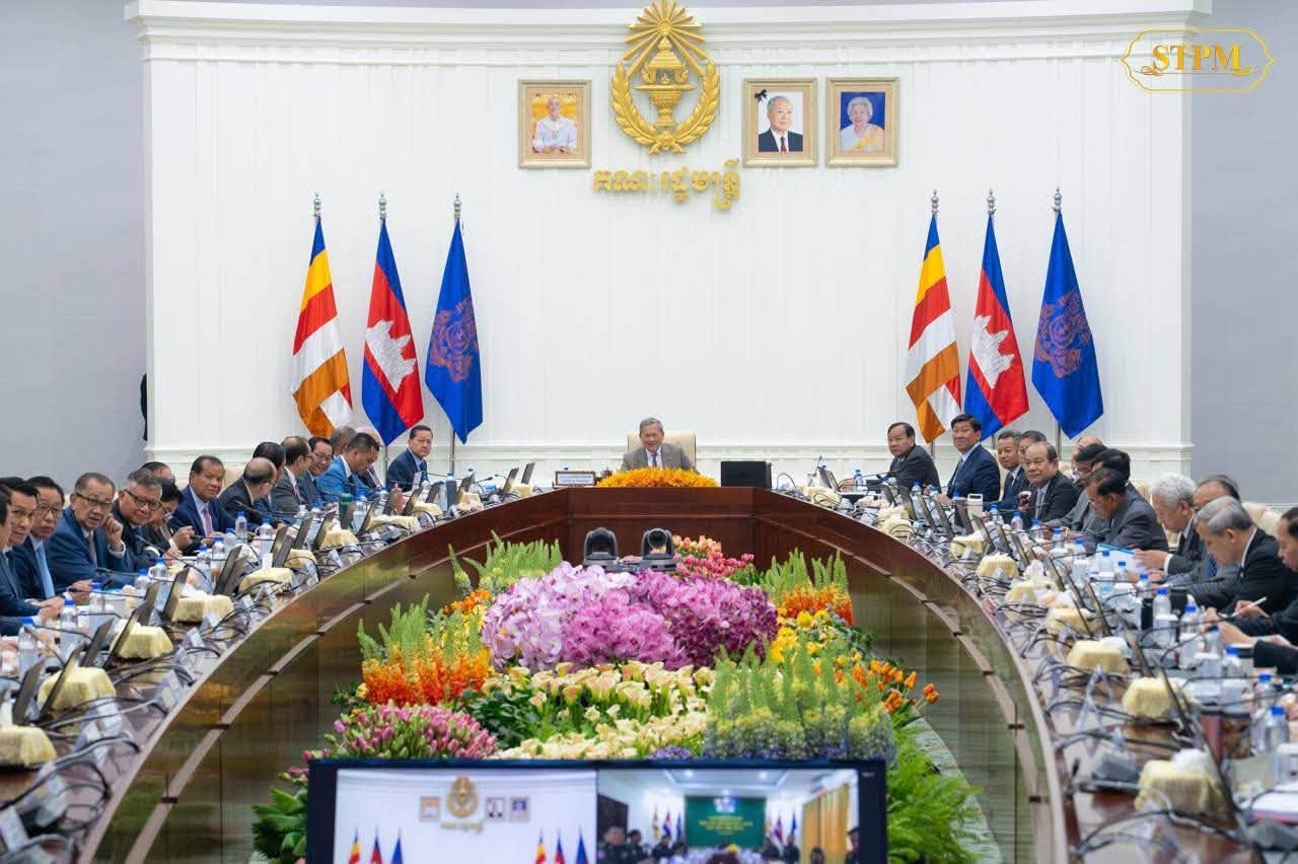
Cambodia is ramping up its use of digital tools as part of a wider push to grow its economy. A central piece of that push is a regional agreement on paperless cross-border trade across Asia and the Pacific, which officials say could help the country modernise how it conducts international business through information technology.
At a cabinet meeting on November 20, chaired by Prime Minister Hun Manet, ministers reviewed a draft law that would approve Cambodia's adoption of the framework.
The agreement contains 25 articles and is meant to make cross-border trade easier by allowing trade data and documents to be exchanged electronically.
Four main goals
The framework is designed to tackle several long-standing obstacles to trade:
- Cutting legal and technical barriers
- Bringing down the cost of trading
- Supporting the World Trade Organization's Trade Facilitation Agreement
- Narrowing development gaps between countries in the Asia-Pacific region
According to the Government Spokesperson Unit, the framework is a United Nations treaty adopted by the UN Economic and Social Commission for Asia and the Pacific (UNESCAP) in May 2016. It came into force on February 20, 2021, once five countries had deposited their ratification documents.
Where Cambodia stands
As of November, 15 countries had ratified the agreement. Armenia and Cambodia have signed it but have not yet completed ratification.
The government said that as Cambodia prepares to leave least developed country (LDC) status in 2029, adopting the framework would strengthen its ability to modernise international business through IT in step with global innovation, which it considers essential to keeping the country's trade and economic competitiveness intact.
It also noted that the framework would complement and further strengthen Cambodia's implementation of the WTO Trade Facilitation Agreement, which the country ratified on February 12, 2016.
Although cabinet has approved the draft law, it does not yet take effect, as it must still pass several further legislative procedures.
Other items on the agenda
Cabinet also reviewed a draft progress report on the sharp reform measures introduced at the 19th Government-Private Sector Forum, covering the first half of 2026. It additionally considered a draft law approving an upgraded protocol to the Framework Agreement on Comprehensive Economic Cooperation between China and ASEAN, along with several other agreements under that framework.
Long-term economic goals
Cambodia is projected to graduate from LDC status by 2029. The government has set out a plan to accelerate growth, reach upper-middle-income status by 2030, and become a high-income country by 2050.