Cambodia HIV programme focuses on follow-up care
AIDS Healthcare Foundation Cambodia says follow-up systems are helping people living with HIV start and stay on treatment, despite economic, social and health-related barriers.
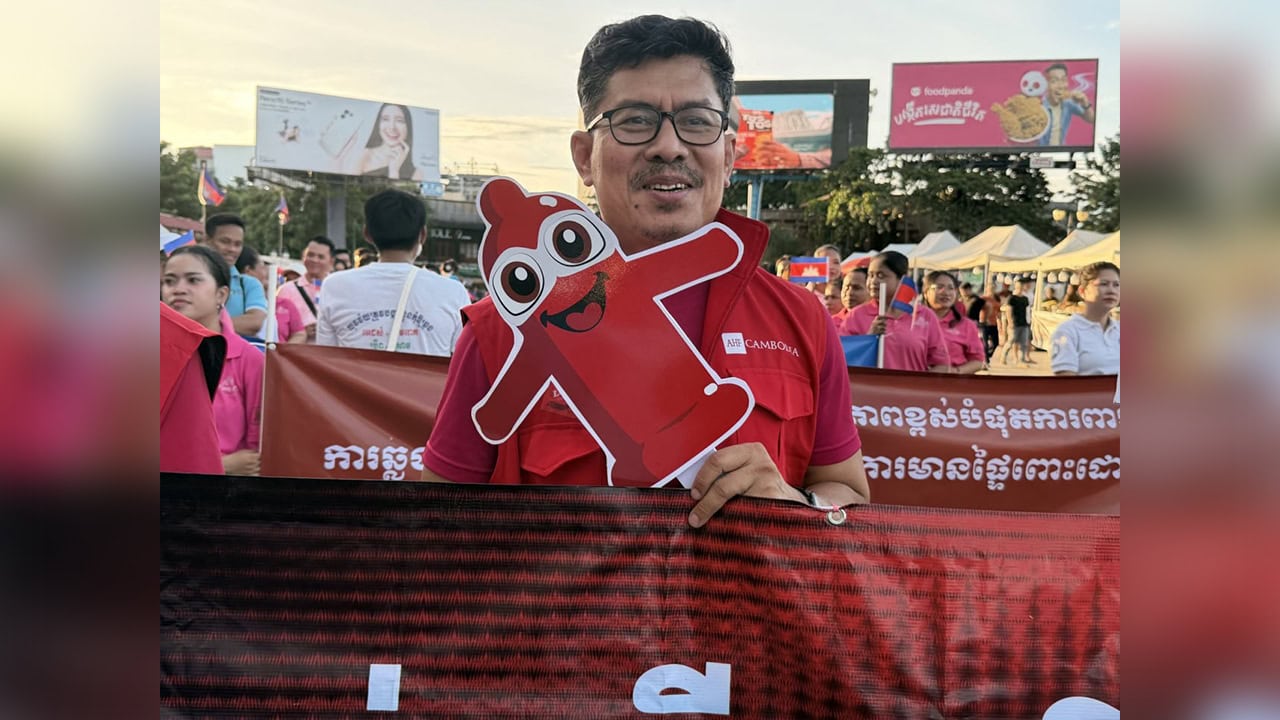
AIDS Healthcare Foundation (AHF) Cambodia has described how its programmes for people living with HIV are working to keep patients connected to care, with follow-up systems at the centre of the effort.
The procedures are designed to help newly diagnosed people begin treatment quickly and to reconnect patients to care as fast as possible if they miss appointments.
AHF Cambodia reported that 55,976 people living with HIV are receiving antiretroviral therapy (ART) through 42 treatment sites in 19 provinces and the capital.
The organisation said identification of HIV-positive people is only the first step; linking them to treatment and keeping them engaged in care are essential for viral suppression and preventing further transmission.
In recent years, AHF-supported programmes have linked more than 90% of people testing HIV-positive to care, helping ensure that most diagnosed individuals are connected to treatment services.
Follow-up and reconnection
Chhim Sarath, AHF Asia bureau chief, said Cambodia's gains depend on supporting patients already in treatment and reconnecting people who have dropped out.
Sustained treatment can suppress HIV to undetectable levels, at which point the virus is not sexually transmitted.
Sarath said progress will also require services to move beyond existing facilities, with continued support for clients in care, renewed tracing of absent patients and wider access for remote communities.
Keeping patients in treatment
For clients who have started ART, staying consistently in treatment requires regular follow-up in addition to medication.
Chan Phanna, AHF Cambodia country programme manager, said free ART is fundamental, but counselling, confidentiality and prompt follow-up are also vital to keeping clients engaged.
If a client misses an appointment to collect medication, the clinic's data management system can trigger follow-up.
Clinic staff or counsellors may then contact the client, a support person or caregiver by phone or Telegram to understand why the visit was missed, provide support and encourage a return to treatment.
If they cannot be reached, community teams and self-help networks may carry out confidential outreach in the client's local area, identify barriers and help reconnect them with services.
The programme combines follow-up with client-centred services, including counselling, confidentiality and expansion of care to places where health services are harder to reach.
Barriers remain
Phanna noted that some obstacles cannot be overcome simply by providing free ART.
Although ART is available at no cost in public hospitals, clients may still face transport costs, lost wages or poor nutrition.
For daily earners, a clinic visit can mean missing work and income, so some may prioritise survival over appointments, interrupting treatment continuity.
Stigma and privacy concerns can also deter patients from taking medication around others or collecting it from clinics because they fear family members, friends or colleagues may learn their HIV status.
Early side effects such as nausea, vomiting, dizziness and fatigue may discourage continued use.
Mental health challenges, including depression, severe stress and hopelessness, can affect motivation or ability to take medication consistently, while work and daily routines can cause missed doses.
Long-term treatment fatigue is another challenge. Phanna said lifelong treatment can make clients tired of medication or cause them to stop after feeling healthier.
AHF reported that among clients who continue treatment and maintain adherence, viral suppression has reached 99.2%. The organisation encourages starting ART promptly after diagnosis.
The figures reflect AHF-supported programme results and are not national rates for all people living with HIV in Cambodia.
Cambodia's HIV response progress has made retention in treatment especially important. The country met the UNAIDS 95-95-95 targets in 2026, which track the share of people living with HIV who know their status, the share of diagnosed people on ART, and the share of treated people with viral suppression.