 Mekong Monitor
Cambodia Has Spent Nearly $500 Million to Shield Consumers From Fuel and Power Price Hikes
Cambodia has spent nearly $500 million on subsidies and tax cuts to restrain fuel and electricity prices. Prime Minister Hun Manet says fuel would otherwise be 9 to 10 per cent more expensive.
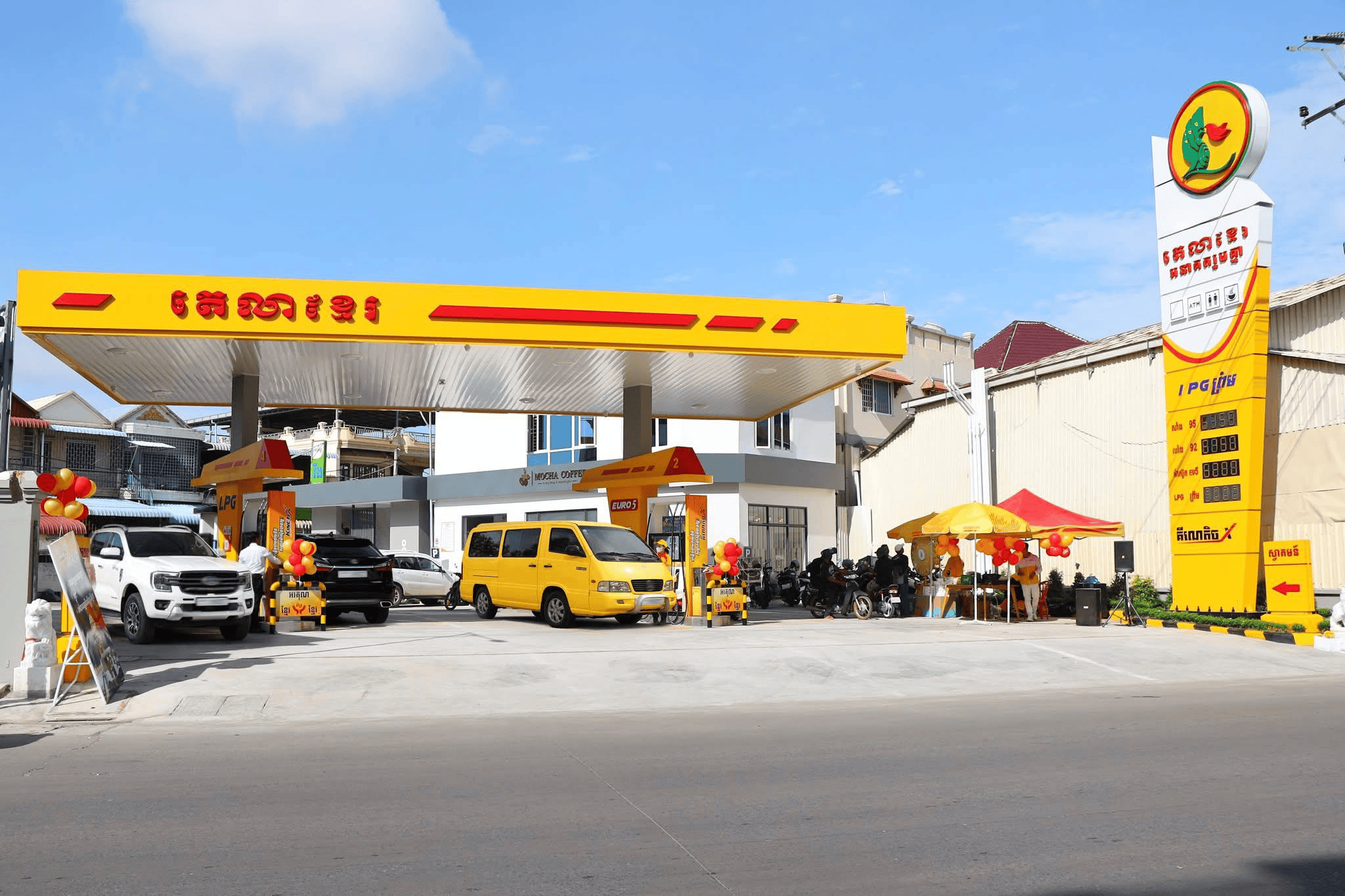
The Cambodian government has spent close to $500 million to hold down electricity and fuel prices as global oil costs climb, Prime Minister Hun Manet said. He warned that fuel would now cost 9 to 10 per cent more were it not for state subsidies and tax relief.
According to the government, petrol currently sells for 5,150 riel ($1.29) per litre, while diesel costs 5,650 riel per litre.
Manet made the comments while presiding over a graduation ceremony at the University of Health Sciences, an event that also marked the institute’s 80th anniversary.
“We have introduced several measures to support the public, as I have said, because this affects people’s health and wellbeing,” he said. “So far, our total spending has reached nearly $500 million, used solely to cushion the cost of fuel and electricity for citizens.”
He added that other expenses had not yet been counted. “Without the funds we released for price relief and the extra tax cuts, fuel prices could have gone up by a further 9 to 10 per cent,” he said.
Manet acknowledged that fuel prices had risen but said they remain at a manageable level thanks to subsidies and tax exemptions. He explained that these measures are paid for with revenue from customs duties and taxes, which means the government must weigh spending needs against one another.
Unexpected costs add pressure
Manet said the government had to spend more to cover unforeseen events, including last year’s conflict. He also pointed to severe flooding this year, which arrived while the 2026 budget was still being negotiated. The floods destroyed roads and cut off many national routes, which now need to be rebuilt.
Measures to keep fuel affordable
The government is using a mix of subsidies and tax cuts to limit fuel price increases:
- A continued subsidy of 6.5 US cents per litre to ease pressure on household budgets.
- An extra 1-cent-per-litre reduction, triggered once international petrol prices rose above $90 a barrel and diesel above $100 a barrel.
- Additional taxes on petrol and diesel cut to zero as international energy, transport and insurance costs went up.
- The special tax on petrol lowered from 30 to 15 per cent, and the special tax on diesel reduced from 4 per cent to zero.
- Value-added tax on petrol cut from 10 to 4 per cent, and on diesel from 10 per cent to zero.
The state is absorbing the remaining tax burden, which amounts to 6 per cent on petrol and 10 per cent on diesel.