 Mekong Monitor
Cambodia Defends Its Right to Raise Border Dispute After Thai Rebuke Over Francophonie Speech
Cambodia’s government says it has every right to raise its border dispute with Thailand at international forums. It also urged Thailand to honour existing agreements so joint border surveys can resume.
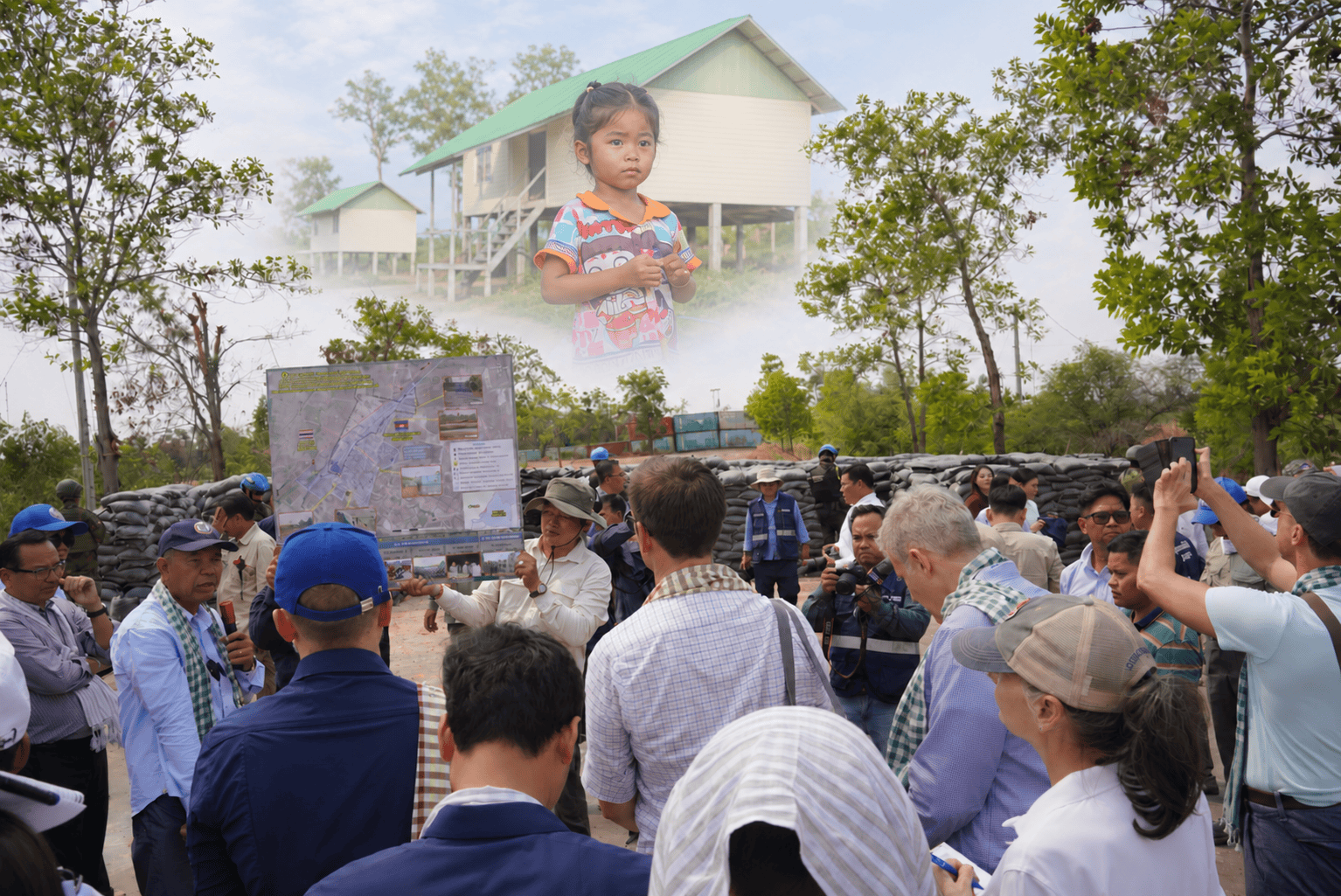
Government spokesman Pen Bona has defended Cambodia’s right to bring its border dispute with Thailand to international forums. He also urged Bangkok to honour existing agreements so that joint border surveys can resume.
His remarks came after Thailand’s foreign minister criticised a speech Prime Minister Hun Manet gave at the recent Francophonie Summit.
Thailand’s foreign ministry issued a statement accusing Cambodia of using its role as summit host to push a one-sided version of the dispute.
Bona said Cambodia had raised the issue internationally to protect its sovereignty and territorial integrity, as well as the rights of Cambodian civilians forced from their homes by the fighting.
“Cambodia has every right to raise Thailand’s violations along our border anywhere and at any time,” he told The Post. “As a country that has been attacked and had its territory occupied unlawfully, that is our right.”
He added that Cambodia must defend its sovereignty and territorial integrity and protect its displaced citizens in line with international law. Cambodia, he said, has the right to speak about the matter wherever it chooses, so that neighbours and the wider international community understand what has happened.
What the prime minister said
When the 20th Francophonie Summit opened in Phnom Penh on November 15, Hun Manet told the heads of state and government that the border remains fragile despite a ceasefire that took effect on December 27, 2025. He said thousands of troops still face each other and accused Thai forces of continuing to occupy several areas that Cambodia regards as its sovereign land.
“About 20,000 Cambodians are still unable to return home. Their safe and dignified return remains our priority,” Hun Manet said.
He called on both countries to honour their existing agreements and resume joint surveys and demarcation of the land border. He noted that the boundary was drawn more than a century ago and should be respected under international law.
Thailand’s response
According to Thai media, Foreign Minister Sihasak Phuangketkeow said on November 15 that the prime minister’s remarks had made some summit participants uncomfortable and distracted from the meeting’s core goals. He argued that raising the dispute went against recent understandings aimed at rebuilding trust between the two countries.
A day later, Thailand’s foreign ministry said Cambodia had used its position as host to present a one-sided picture of the border through the opening speech, the drafting of summit outcome documents and exhibitions. It noted that the Thai delegation, which attended as an observer, was only permitted to respond in writing.
The ministry also accused Cambodia of continuing to raise the matter at the ASEAN Summit in Manila. It called for differences to be settled peacefully through bilateral mechanisms and in line with international law.
Thailand rejected claims that it was occupying Cambodian territory or stopping about 20,000 Cambodians from returning. It maintained that the disputed areas are Thai territory and had served as temporary shelters for Cambodians fleeing conflict in the late 1970s.
Rebuilding trust
Bona responded that the way to end the dispute is simple: Thailand needs to implement the agreements already in place. He pointed to Point 3 of the December 27, 2025, joint statement, under which both sides agreed to entrust border surveys to the Joint Boundary Commission (JBC). He also stressed that implementing the ceasefire does not affect the international boundary between the two countries.
Sending survey teams from both countries back into the field to work under the law and relevant documents, he said, would be a concrete step toward rebuilding trust and reaching a lasting settlement.
Bona said Cambodian leaders have repeatedly called for joint surveys to resume and accused Thailand of failing to act on that provision. “Then they try to stop Cambodia from speaking about it. That is unacceptable,” he said.