 Mekong Monitor
Cambodia Calls for Stronger Fact-Checking as AI Amplifies Misinformation Threats
Cambodian officials warn that AI and social media are accelerating the spread of misinformation, urging global media to strengthen fact-checking and provide platforms for diverse viewpoints.
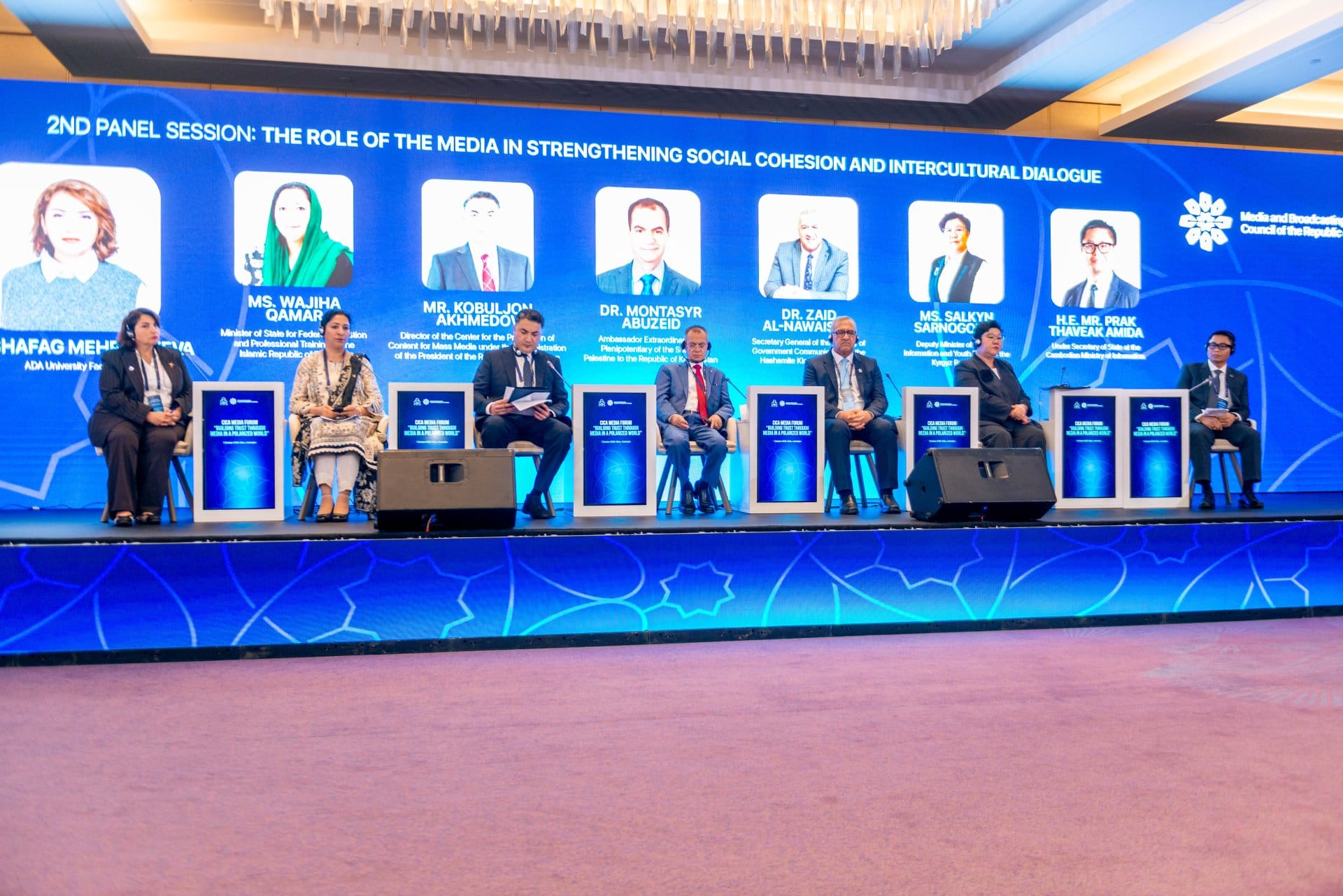
Cambodian officials have emphasized the need for international news organizations to bolster their verification processes, cautioning that emerging technologies and digital platforms are making it increasingly simple to disseminate false or altered information. A government representative also stressed the importance of creating room for diverse perspectives in public discourse.
At the First Conference on Interaction and Confidence Building Measures in Asia (CICA) Media Forum held in Baku, Azerbaijan on October 1, Prak Thaveak Amida, undersecretary of state at Cambodia's Ministry of Information, argued that trustworthy reporting, balanced coverage, and civil dialogue are critical for maintaining social unity.
"Unity in society isn't about everyone agreeing on everything. It's partly about being able to consider different perspectives using confirmed facts and treating everyone involved with respect," Amida explained.
He added that journalism practiced responsibly helps maintain common understanding, particularly when topics are contentious or emotions run high.
Amida stood in for Information Minister Neth Pheaktra during a roundtable focused on how media can strengthen social bonds and promote dialogue between cultures, the ministry reported.
The full-day gathering, organized by Azerbaijan's Media Development Agency under the banner "Building Trust through Media in a Polarised World," convened government representatives, media executives, and communications experts from CICA nations to address public confidence, reporting standards, and cross-border media collaboration.
According to Amida, while social platforms and artificial intelligence have created new avenues for cross-cultural communication and education, they have simultaneously made it simpler to circulate deceptive material.
"When this type of content is accepted or passed along without careful examination, it can erode trust further," he warned.
He referenced Cambodia's "Say No to Fake News" initiative, which promotes checking sources, evidence, and context before sharing information.
"These abilities enable people to interact with information in a responsible way and support conversations grounded in reality instead of mistrust," he noted.
Forum participants also explored approaches to combat false narratives, reinforce journalism standards, and navigate both the potential and pitfalls that artificial intelligence brings to news operations, according to the ministry.
Looking beyond verification alone, Amida encouraged reporters covering cultural, identity, or religious topics to include perspectives from those directly affected and provide adequate background to convey their circumstances properly.
"A single event shouldn't be used to characterize an entire group. Precision, careful word choice, and sound editorial judgment can prevent misconceptions from becoming entrenched," he said.
His presentation outlined three approaches for media to enhance social cohesion: providing fair and precise representation, making intercultural exchange a regular feature of public conversation, and serving as trusted venues for constructive debate about disagreements.
As a member of ASEAN, Cambodia values unity while embracing diversity, he stated, observing that the region's wide array of languages, cultures, customs, and historical backgrounds creates a duty for journalists to think carefully about how their work influences views of other societies.
News organizations can help their audiences value that variety while also recognizing common ground and shared goals, he suggested.
Amida highlighted narratives about collaboration in educational settings, professional environments, and local communities as examples of how coverage can demonstrate people from various backgrounds working together on mutual challenges.
Professional exchanges and collaborative journalism projects could carry these stories beyond national boundaries, enabling audiences to understand other societies through their own citizens' voices, he proposed.
Cambodia supports partnerships among CICA media organizations and practitioners focused on ethical reporting, fact verification, media education, and thoughtful adoption of new technologies.
Amida also backed joint content initiatives that portray member countries' cultures and realities with genuineness and consideration.
The forum included two roundtable discussions, with the first reviewing programs, partnerships, and outcomes during Azerbaijan's CICA leadership, the ministry said.
The second session, where Amida spoke, featured participants from Pakistan, Uzbekistan, Kazakhstan, Jordan, and Kyrgyzstan, with ADA University's Shafag Mehraliyeva serving as moderator.
Amida concluded that media's impact on social cohesion rests on routine editorial choices, including which perspectives receive attention, whether assertions are confirmed, and how disagreements are framed.
"When these choices follow principles of accuracy, fairness, and respect, media outlets do more than share information. They help create the trust that allows meaningful dialogue to take place," he said.