 Mekong Monitor
Border Conflict Disrupts Breastfeeding and Child Nutrition, Study Finds
A new study by World Vision Cambodia and CDRI finds that the Cambodia–Thailand border conflict has disrupted breastfeeding and access to nutritious food among displaced families. Researchers call for stronger maternal and child nutrition support during emergencies and recovery.
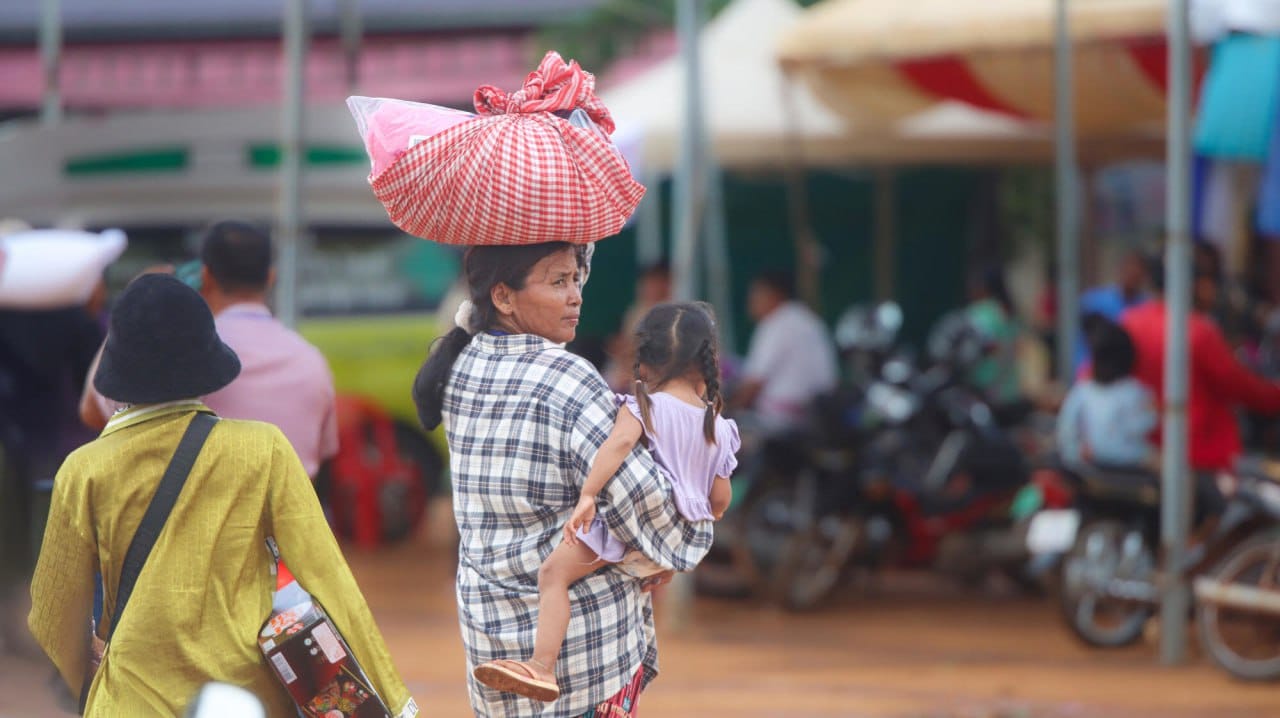
A new study by World Vision International in Cambodia (WVI-C) and the Cambodia Development Resource Institute (CDRI) finds that the Cambodia–Thailand border conflict has disrupted breastfeeding and access to nutritious food for displaced families.
Some mothers said they stopped breastfeeding sooner than they had planned. Financial hardship, displacement and psychological stress made it harder to care for infants and young children.
The findings, released on November 19, are based on qualitative research carried out in Battambang, Banteay Meanchey and Siem Reap provinces. The researchers examined how displacement, falling household incomes, rising food prices and disruptions to markets and health services affected feeding practices for mothers, infants and young children. They paid particular attention to displaced families and migrant workers who had returned home.
Food insecurity and shrinking diets
Many households found it difficult to keep their diets nutritious. The conflict cut into livelihoods, restricted movement and reduced access to food markets. Families said they struggled to get a varied diet because their incomes had dropped, prices had climbed, market supplies had changed and security concerns limited their movements.
As a result, many households turned to cheaper, easier-to-find foods. This made it hard to maintain dietary diversity or to buy nutrient-rich foods such as meat, vegetables and fruit.
Challenges for breastfeeding mothers
Some breastfeeding mothers worried about their milk supply while they were displaced. According to the study, they linked these worries to changes in their diets, limited access to nutritious food and the stress caused by the conflict.
Some mothers stopped breastfeeding earlier than planned. Others introduced other milks or complementary foods before their babies turned six months old. Families who already relied on breast milk substitutes also had trouble getting them, as prices rose, supplies ran short and travelling to shops became difficult.
The researchers stressed the need for breastfeeding counselling, practical help and psychosocial support for mothers during humanitarian emergencies.
Limited access to health services
The study also found that families had difficulty reaching essential maternal and child health services. These include growth monitoring, breastfeeding advice, complementary feeding support and community-based nutrition programmes. Pregnant women, children under two and displaced households were among the groups hit hardest.
Health workers, community volunteers, local authorities and aid groups kept supporting affected communities throughout the conflict. Even so, the researchers said there is room to improve coordination so that vital nutrition services stay available during displacement and recovery.
Financial strain on households
Beyond the immediate health concerns, the conflict added heavy financial pressure. Families reported cutting back on food, borrowing money, drawing down savings, selling productive assets, fishing and relying more on locally available food.
"Some of these strategies, including borrowing, drawing on savings and selling productive assets, carry longer-term costs for household income and food security," the joint release said.
The study acknowledged the help that local authorities, health workers, community volunteers, Buddhist monks and aid organisations gave families to meet their urgent needs. It also argued that emergency aid should focus more on dietary variety and on the particular nutritional needs of pregnant women, breastfeeding mothers, infants and young children.
Voices from the organisations involved
Dr Than Thi Ha, acting national director of World Vision International in Cambodia, said the findings would help aid groups and government bodies respond better to vulnerable families during emergencies.
"The evidence generated through this study will help inform our collective efforts to strengthen emergency preparedness and responses for mothers and young children," she said.
"By better understanding the experiences and challenges faced by families during conflict, we can work together with government institutions and partners to design and implement more effective and responsive programmes that protect nutrition and build resilience," she added.
Recommendations
The researchers recommended strengthening feeding support for mothers, infants and young children as part of emergency planning and humanitarian response. Their proposals include:
- Keeping essential maternal and child nutrition services running
- Expanding breastfeeding counselling
- Improving complementary feeding support
- Making sure vulnerable households can obtain varied, nutritious food
They also called for stronger community-based support and referral systems, as well as suitable facilities for mothers and young children living in displacement settings. Timely and flexible funding, along with closer coordination between government institutions, local authorities, development partners and aid groups, was another priority. The researchers said this cooperation would help ensure that assistance keeps meeting the needs of affected families through emergency response, return and recovery.
Overall, the findings highlight the nutritional problems facing mothers and young children affected by the border conflict, especially those who have been displaced, lost income or struggled to reach basic services. The researchers argue that maternal and child nutrition support must continue not only during emergencies but also as families return home and rebuild their livelihoods.