 Mekong Monitor
Border Conflict Disrupts Breastfeeding and Child Nutrition in Cambodia, Study Finds
A study by World Vision and CDRI finds that the Cambodia–Thailand border conflict has disrupted breastfeeding and food access for displaced families, with some mothers weaning early.
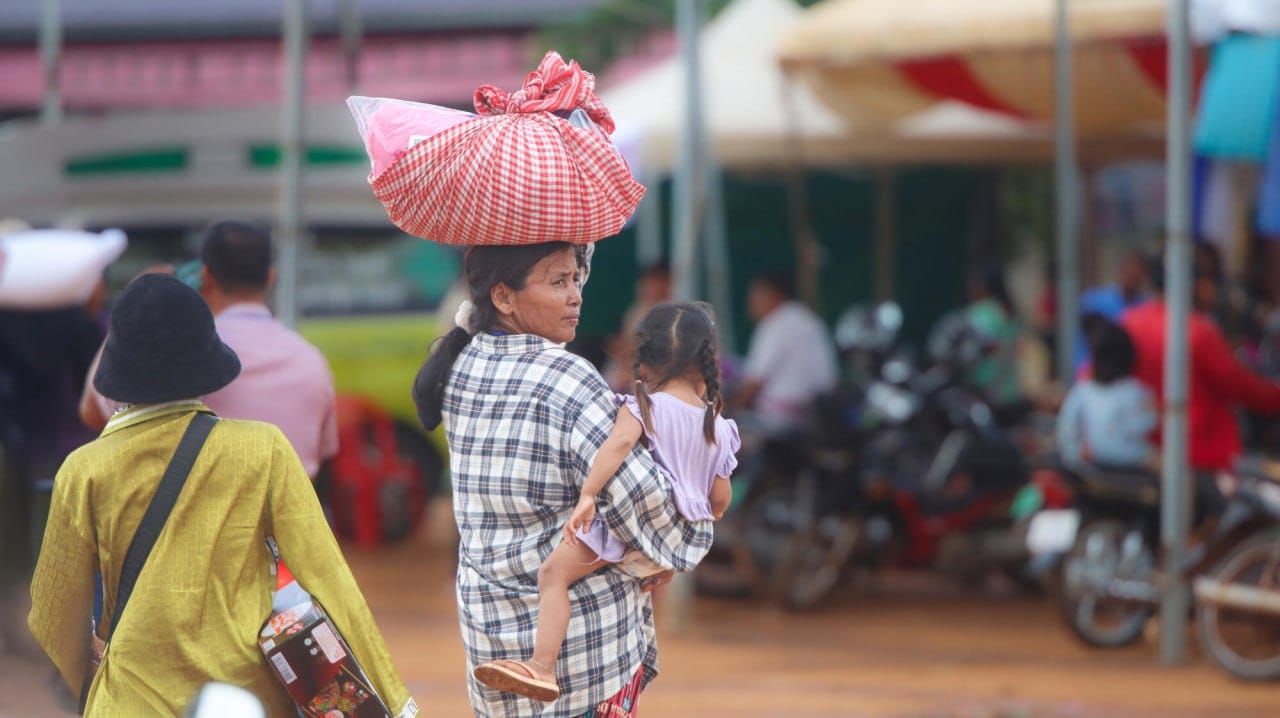
A new study by World Vision International in Cambodia (WVI-C) and the Cambodia Development Resource Institute (CDRI) finds that the Cambodia–Thailand border conflict has upset breastfeeding routines and made it harder for displaced families to eat well.
Some mothers said they stopped breastfeeding sooner than they had intended. Financial strain, forced relocation and emotional stress made it harder to care for infants and young children.
The findings, released on November 19, are based on qualitative research in Battambang, Banteay Meanchey and Siem Reap provinces. The researchers examined how displacement, shrinking household incomes, higher food prices and disrupted markets and health services affected feeding practices for mothers, infants and young children. They paid particular attention to displaced families and migrant workers who had returned home.
Shrinking diets
Many households struggled to keep their meals varied and nutritious. As incomes fell, prices rose, markets changed and movement became restricted, families increasingly turned to cheaper, easier-to-find foods. Meat, vegetables and fruit became harder to buy.
Pressure on breastfeeding
Some breastfeeding mothers worried that displacement was reducing their milk supply. They linked these concerns to poorer diets, limited access to nutritious food and the stress of the conflict. Some stopped breastfeeding earlier than planned, or began giving other milk products and solid foods before their babies turned six months old.
Families who already used infant formula also had trouble getting it. Prices went up, supplies ran short and travelling to shops became difficult.
Strain on health services and household finances
The study also found that access to essential maternal and child health services suffered. These services include growth monitoring, breastfeeding advice, complementary feeding support and community-based nutrition programmes. Pregnant women, children under two and displaced households were among the hardest hit.
To cope, families rationed food, borrowed money, drew down savings, sold productive assets, went fishing and relied more heavily on locally available food. The researchers warned that borrowing, using up savings and selling assets could cause lasting harm to household incomes and food security.
Support and recommendations
The study credited local authorities, healthcare workers, community volunteers, Buddhist monks and humanitarian organisations for helping families meet their immediate needs. However, it said emergency aid should place more emphasis on dietary variety and on the specific nutritional needs of pregnant women, breastfeeding mothers, infants and young children.
The researchers recommended that maternal, infant and young child feeding support become a standard part of emergency preparedness and humanitarian response. Their suggestions included:
- Keeping essential maternal and child nutrition services running
- Expanding breastfeeding counselling
- Improving complementary feeding support
- Helping vulnerable households obtain diverse, nutritious food
- Strengthening community-based support and referral systems
- Providing suitable facilities for mothers and young children in displacement settings
They also called for timely, flexible funding and closer coordination among government institutions, local authorities, development partners and aid organisations. This cooperation, they said, would help assistance keep pace with families’ needs through emergency response, return and recovery.
Dr Than Thi Ha, acting national director of World Vision International in Cambodia, said the findings would help aid groups and government bodies improve their responses for vulnerable families in emergencies.
“What this study shows will guide how all of us prepare for and respond to emergencies that affect mothers and young children,” she said.
“By understanding what families go through during conflict, we can work with government bodies and partners to build programmes that protect nutrition and help communities bounce back,” she added.
The findings highlight the nutritional challenges facing mothers and young children affected by the Cambodia–Thailand border conflict, particularly those who have been displaced, lost income or struggled to reach essential services. The study stresses that maternal and child nutrition support must continue beyond the emergency phase, as families return home and rebuild their livelihoods.