 Mekong Monitor
Beijing Identifies Cambodia as Central to Future ASEAN Partnership Strategy
Chinese officials have positioned Cambodia as a key player in advancing China-ASEAN relations, emphasizing infrastructure, trade, and investment as foundations for deeper regional cooperation.
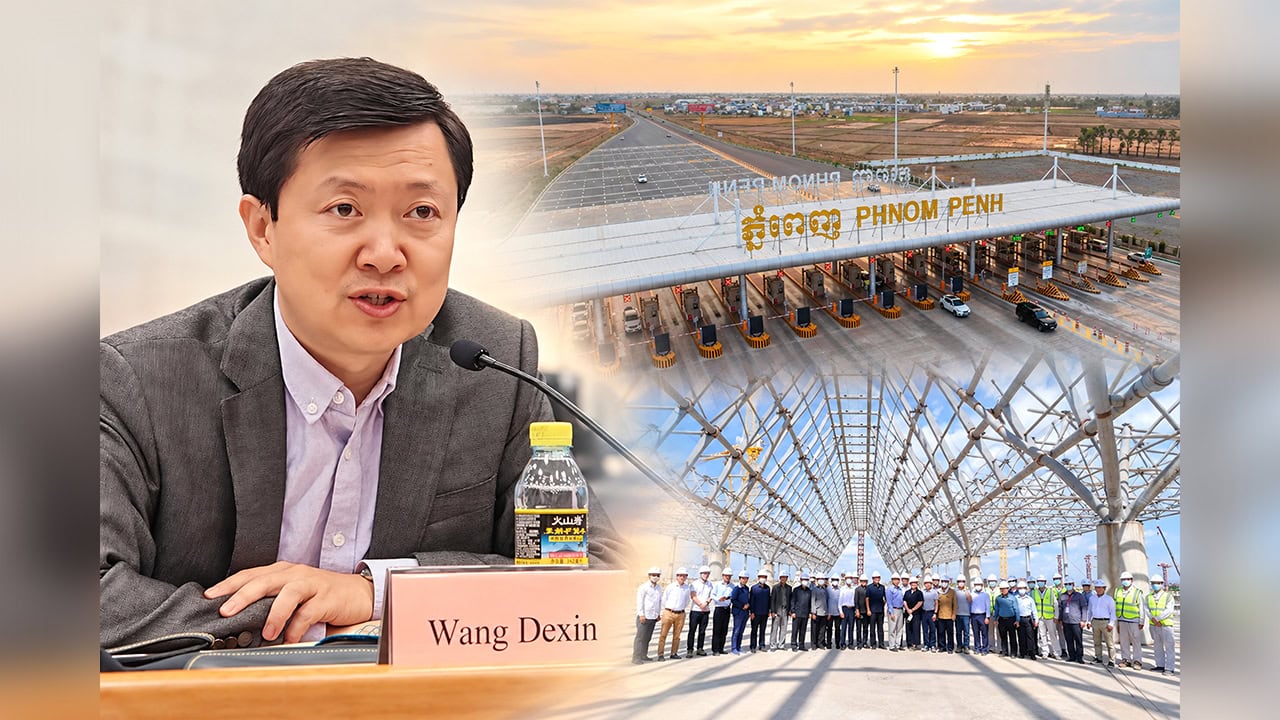
A senior Chinese foreign ministry official has described Cambodia as a vital contributor to the evolving relationship between China and ASEAN, highlighting trade, investment, and infrastructure development as core pillars of future collaboration.
Speaking to a delegation of Southeast Asian journalists in Beijing on September 28, Wang Dexin from the ministry's Department of Asian Affairs emphasized the Kingdom's dual role as both an engaged regional partner and a recipient of enhanced economic cooperation. Wang, who has prior diplomatic experience in Cambodia, was responding to questions about the bilateral relationship.
"Cambodia holds a significant position in the China-ASEAN comprehensive strategic partnership as both a steadfast ally of China and a prominent ASEAN member state," Wang explained during the briefing.
He referenced the "Diamond Hexagon" cooperation framework between the two nations, along with initiatives such as the Industrial Development Corridor and the Fish and Rice Corridor currently underway. Wang also highlighted completed infrastructure ventures including the Phnom Penh-Sihanoukville Expressway, the Techo Morodok National Stadium, and Siem Reap Angkor International Airport as testament to the expanding partnership.
The official expressed China's commitment to supporting Cambodia's development goals and efforts to enhance living standards, while advocating for strengthened bilateral ties that would reinforce broader China-ASEAN relations. However, no specific new projects, financial commitments, or timelines were disclosed during the session.
In broader remarks about regional cooperation, Wang Xiaolong, a counsellor in the same department, identified four strategic areas for China-ASEAN engagement over the coming five years. These include advancing trade and investment integration, bolstering energy and supply chain resilience, fostering collaboration in emerging technologies and sustainable development, and expanding people-to-people connections through education and tourism.
"The benefits of China-ASEAN partnership must deliver concrete improvements to the lives of citizens across all member states," Wang Xiaolong stated.
He advocated for maximizing the upgraded China-ASEAN Free Trade Area and the Regional Comprehensive Economic Partnership to facilitate commercial growth and industrial connectivity. When questioned by a Thai reporter about substantive AI cooperation beyond technology sales, he pointed to platforms designed to facilitate policy dialogue, business networking, practical implementation, standardization, and capacity building. Seven ASEAN nations have reportedly joined a new international AI cooperation initiative established in Shanghai in July.
Addressing geopolitical challenges, Wang Xiaolong personally assessed that external interference from non-regional powers posed the most significant threat to the partnership, calling on China and ASEAN to preserve dialogue channels and strategic autonomy.
The briefing convened 21 journalists from nine ASEAN member states who had toured Guangxi and Fujian provinces and participated in the China-ASEAN Expo before arriving in the capital.