 Mekong Monitor
Alcohol Billboards in Phnom Penh Cut by Nearly Half as Cambodia Tightens Rules
Alcohol billboards in Phnom Penh have fallen by almost half since mid-2024 as the government tightens marketing controls. Officials say the focus now is on how well the rules are followed, especially online.
The number of alcohol billboards in Phnom Penh has dropped by almost 49 per cent since July 2024, falling from 1,026 to 521. That was the month the government tightened its rules on alcohol marketing in public spaces and on social media, with the aim of protecting public health, especially among children and young people.
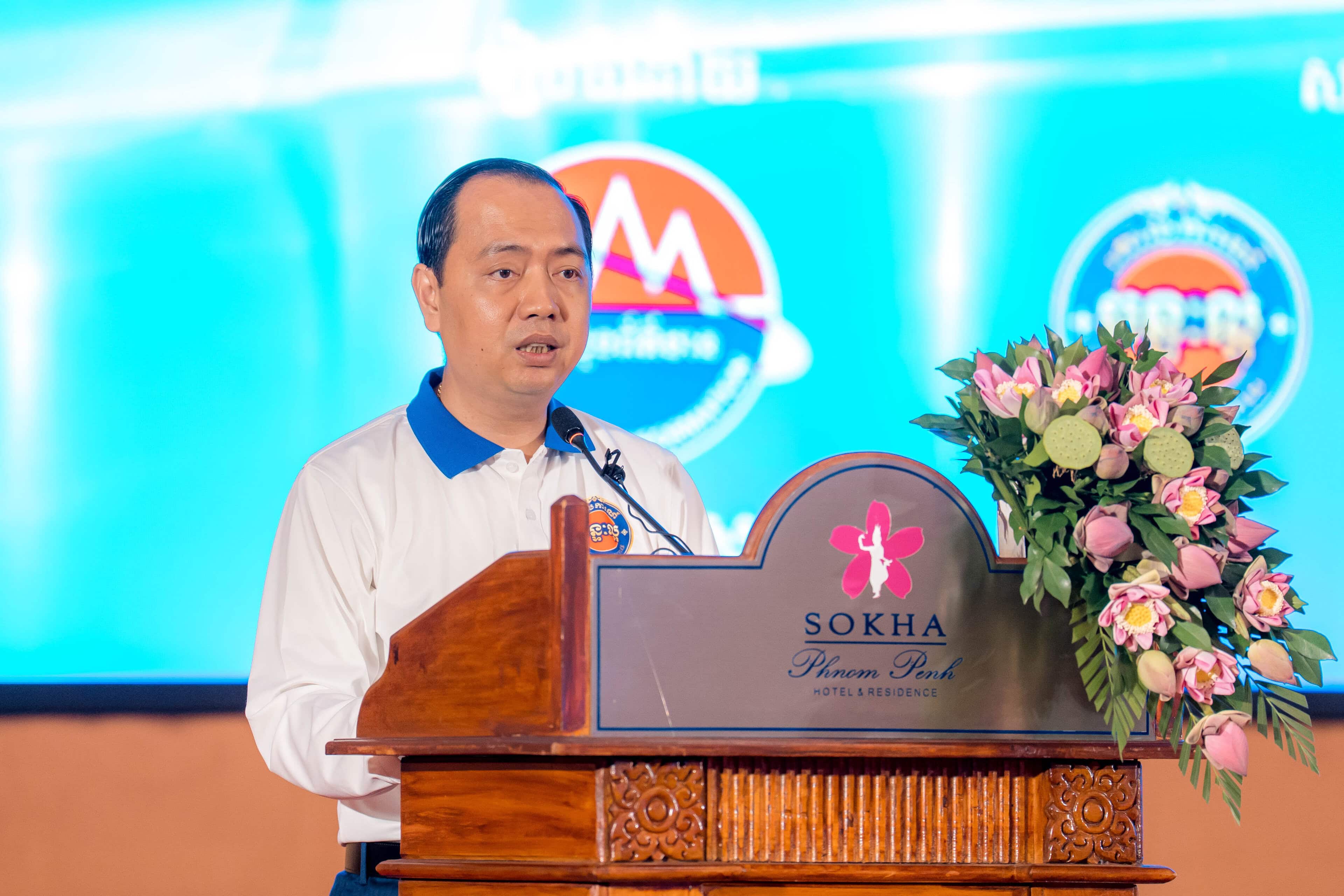
Information Minister Neth Pheaktra, who chairs the working group overseeing alcohol advertising, shared the figures on October 28 at the launch in Phnom Penh of the second “Goodwill Campaign.” The campaign is designed to strengthen enforcement of rules on advertising for alcoholic drinks and sugary beverages.
Data gathered by the Cambodian Advertising Media Agency Association, which has 17 members and collects information from all 25 municipal and provincial administrations, shows that some advertising firms have moved on to promoting other products, while others have left their billboards empty.
Early 2026 figures
In early 2026, Phnom Penh had 3,889 large billboards and advertising structures. Of these, 507, or about 13 per cent, carried alcohol ads, and the number has kept falling since 2025. Across the country, there were 6,207 large billboards and structures, and 1,028 of them, roughly 17 per cent, advertised alcohol. Around 620 sites that once promoted beer have been switched to promoting drinking water.
Quality matters as much as quantity
Neth said the changes show that the policy is being put into practice and that the private sector is taking part. However, he warned that cutting the number of ads is not enough on its own to judge success. Authorities also need to check whether the remaining ads are placed appropriately, whether health warnings are clearly visible, and whether the imagery or wording is likely to appeal to minors.
“Compliance has to be judged by quality as much as by quantity,” he said. “The goal is not only to roll out the measures widely, but to make sure they are applied correctly and effectively.”
Concerns over digital marketing
The minister said online promotion is an increasing worry. Alcohol marketing now reaches consumers through Facebook, TikTok, YouTube and other social platforms, often through influencers. In his view, regulation can no longer focus only on billboards, television and radio, because similar content spreads online with little accountability.
“Content that is banned on television should not be allowed to appear on Facebook or TikTok without any oversight,” he said. He also warned that companies should not take ads down near schools only to target the same young audiences through influencers.
Limits on prize promotions
The rules also cover promotions that encourage alcohol purchases through prizes and games of chance. These include rewards tied to can ringpulls and bottle caps, lotteries, scratch cards, coupons, QR codes and digital reward schemes. “We want companies to compete on the quality of their products, not on games of chance,” Neth said.
What the regulation requires
According to the minister, Prakas No. 084 on the management of alcohol advertising sets out 17 principles. Among them, radio and television advertising and sales promotions for alcohol are restricted between 6pm and 8pm, with certain exceptions for showing logos and product names, or mentioning product names under set conditions. The regulation also bans alcohol ads within 200 metres of educational institutions, hospitals, religious sites, historical and cultural tourist sites, and international airports. It further requires that health and safety messages be clearly displayed.
Neth called on producers, importers, distributors, advertising agencies and content creators to set up internal review systems so that campaigns, advertisements and promotions are checked before they are published. He also urged artists and social media influencers to think about how their content might reach minors or encourage inappropriate drinking.
Sugary drinks and the next phase
The second Goodwill Campaign also covers the marketing of sugary drinks, asking companies to give clear product information and take responsibility for consumer health. The first campaign, held in 2024, focused on raising awareness of the relevant laws and principles. The second is meant to turn that awareness into real compliance and measurable results.
Neth stressed that the government does not plan to shut down the alcohol market or ban alcohol advertising entirely. Its aim is an orderly market, fair competition, and businesses that act responsibly toward society. “Good businesses are ones that can grow without passing negative impacts on to society,” he said.
The campaign was organised by the Ministry of Information with MSA Marketing Solution Asia and the Cambodian Advertising Media Agency Association. Participants included government officials, private companies, beverage producers, advertisers, artists and content creators. The event also hosted two panel discussions: one on strengthening enforcement of alcohol advertising controls, and another on moving beyond compliance toward greater social responsibility.