 Mekong Monitor
Why Housing in Cambodia Is Getting Harder to Afford
Housing in Cambodia, particularly in Phnom Penh, is growing harder to afford as demand, speculative investment, construction costs and scarce urban land push prices higher. The article explores these causes and the policies that could help.
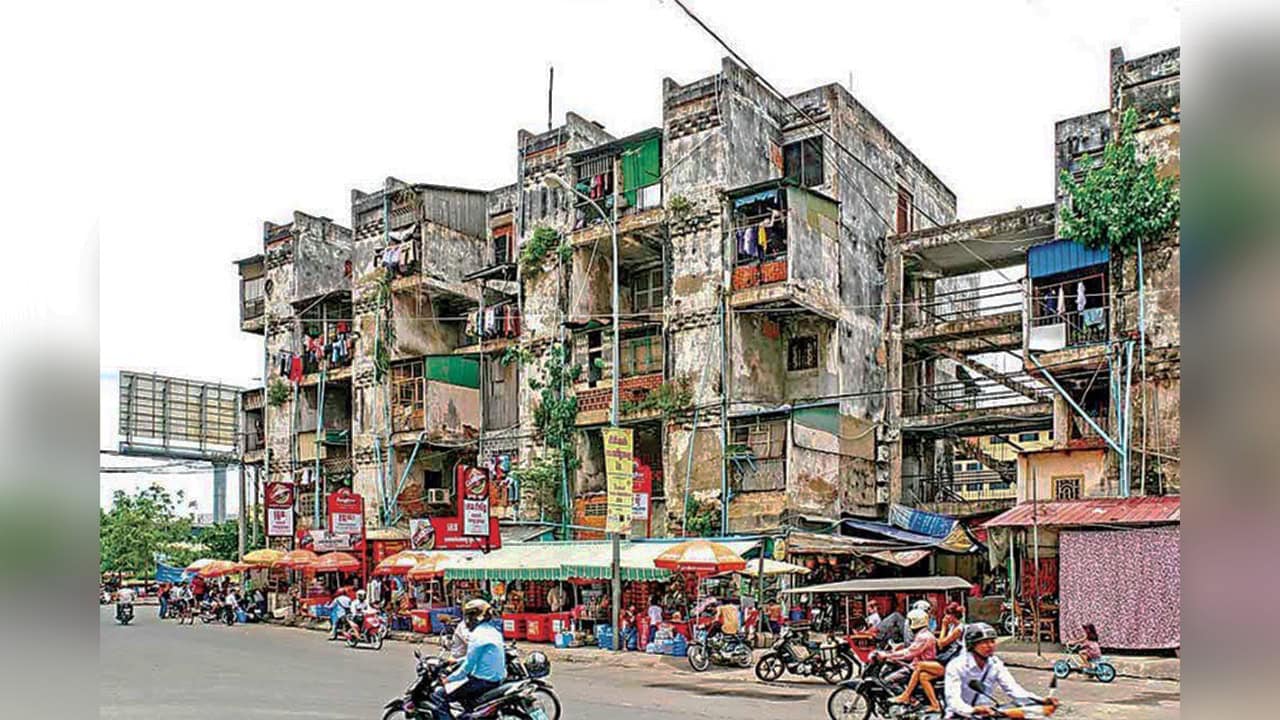
A home is one of the most basic needs of modern life, yet buying or renting one is becoming a struggle for many Cambodians, especially in Phnom Penh. The country has enjoyed rapid development and strong economic growth, but in some areas property prices have climbed beyond what ordinary households can comfortably pay. The widening gap between what homes cost and what families earn raises broader questions about supply and demand, inequality, market failure and how resources are distributed. Understanding the causes of this problem, and what can be done about it, is therefore essential.
What Is Pushing Prices Up
The first major driver is rising demand. As Cambodia develops and people become more mobile, many move from the countryside to cities such as Phnom Penh in search of work, schooling and business opportunities. This influx increases the need for houses and apartments. When demand outpaces supply, and new construction cannot keep up, prices tend to rise.
Foreign direct investment and urban expansion add to this pressure. Investors buy apartments, houses and land expecting their value to grow. Such investment can stimulate the economy and create jobs. However, when purchases are driven mainly by the hope of future profit rather than the need for a place to live, speculation can push prices out of reach for many local families.
Rising building costs also play a role. Developers must pay for land, materials, labour and infrastructure, and when these expenses increase, new homes become more expensive to build. Land is also scarce in popular urban districts. If demand for land grows faster than its supply can expand, land values climb, making it harder for developers to offer affordable housing.
Economic and Social Consequences
When housing absorbs a large share of household income, whether through rent or mortgage repayments, families have less left over for essentials such as food, healthcare and education. Their standard of living can suffer, and saving for the future becomes far more difficult.
Expensive housing can also deepen inequality. Wealthier households are better placed to buy property and benefit as its value rises, while lower-income families often struggle to save enough for a deposit. Over time, the divide between those who own valuable assets and those who rely mostly on wages grows wider, and poorer households find it harder to improve their circumstances.
Possible Solutions
The government could make housing more attainable by encouraging developers to build affordable homes. Tax incentives, access to suitable land and financial support could lower construction costs and increase the supply of homes for low-income families. Such help, however, must be carefully targeted so that it reaches those who need affordable housing most.
Investing in public transport and infrastructure is another option. Efficient bus routes and railways would make it easier for people to live in cheaper neighbourhoods beyond the city centre while still commuting to work. Better connections would reduce dependence on costly central locations and give households easier access to jobs and essential services.
Conclusion
Housing in Cambodia is becoming less affordable due to rising demand, investment-driven purchases, higher construction costs and limited urban land. These pressures strain household budgets and widen the divide between property owners and lower-income families. Tackling them will require more affordable housing alongside improved transport and infrastructure. Economic development should do more than raise property values and create investment opportunities; it must also ensure that ordinary citizens can find safe and affordable homes. The challenge for Cambodia is to make urban growth more inclusive, so that prosperity raises living standards across the wider population.