 Mekong Monitor
Why Homes Are Getting Harder to Afford in Cambodia
Rising demand, investment-driven buying, higher construction costs, and scarce urban land are putting homes out of reach for many Cambodian families, particularly in Phnom Penh. The article examines these causes and suggests how affordable housing and public transport could help.
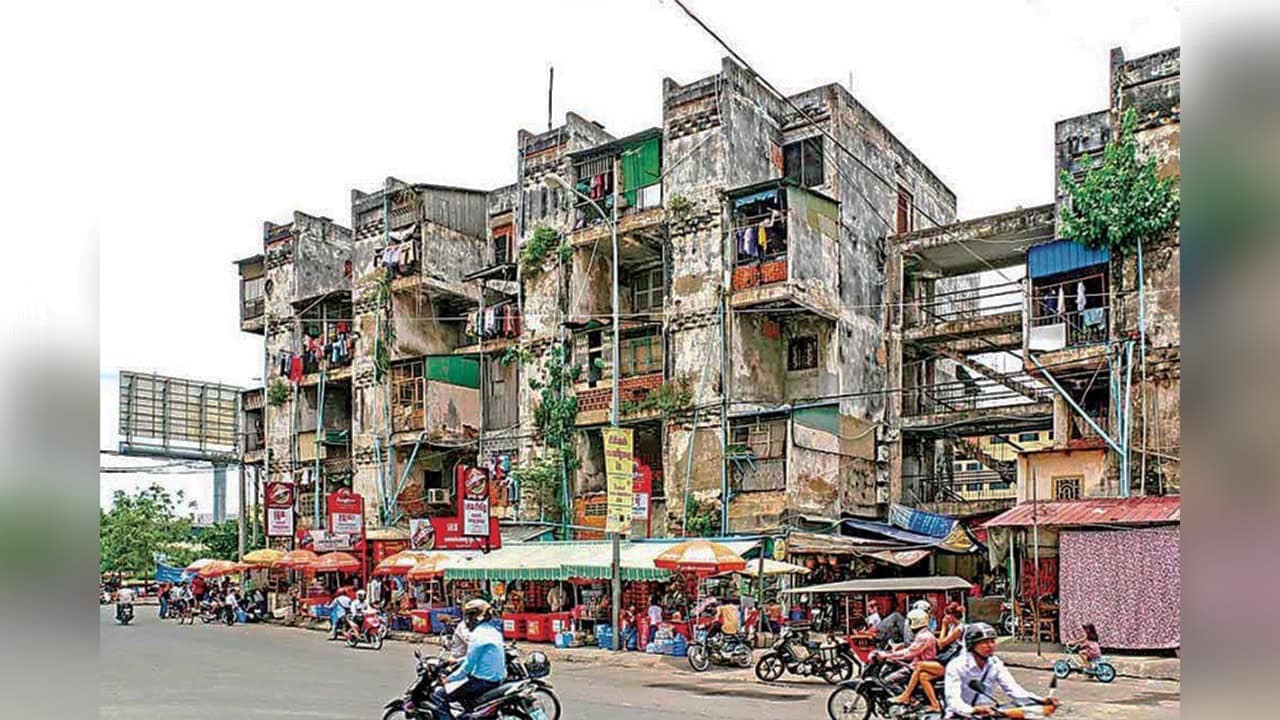
For many Cambodians, buying or renting a home has become a real struggle, especially in Phnom Penh. The country's economy has grown quickly, yet property prices in some areas have climbed beyond what ordinary families can manage. The distance between what homes cost and what households earn raises wider questions about supply and demand, inequality, and how land and resources are distributed. Understanding the causes is the first step toward finding practical fixes.
What Is Driving Prices Up
The first factor is a surge in people wanting homes. As Cambodia develops and more people move, many from the countryside to the capital, they arrive looking for work, schooling, and business opportunities. Each newcomer needs a place to live. When housing construction cannot keep pace with that growing need, prices tend to rise.
Foreign investment and urban growth add to the pressure. Investors often buy apartments, houses, and plots of land expecting their value to keep rising. Such investment can bring jobs and help the economy, but when people buy property mainly to resell at a profit rather than to live in, local buyers can be priced out of the market.
Costs also play a role. Developers pay for land, building materials, labour, and infrastructure, and when any of these becomes more expensive, new homes cost more to build. Land in popular city districts is also scarce. As demand for it grows while the supply stays fixed, land prices climb, and building affordable homes becomes harder for developers.
How Expensive Housing Affects People and Society
When housing takes up a large share of income, families have less left for necessities such as food, healthcare, and education. Over time, this can lower living standards and leave little room for saving toward the future.
High housing costs can also widen inequality. Wealthier households can more easily buy property and profit as its value rises, while lower-income families often find it nearly impossible to save enough for a down payment. Over time, this divide grows between those who own valuable assets and those who depend on wages alone. In turn, it becomes harder for poorer families to move up the economic ladder.
Possible Ways Forward
The government could make affordable housing more viable by offering developers tax breaks, access to suitable land, and financial support. Lower building costs could encourage more homes aimed at low-income households. Still, this help needs careful targeting so that it actually reaches the people who need it most.
Better public infrastructure could also ease the pressure. Investment in efficient bus routes, railways, and other public transport would make it practical for people to live in more affordable areas outside the city centre while still commuting to work. Stronger transport links would reduce the need to crowd into expensive central locations and make jobs and essential services easier to reach.
Conclusion
Housing in Cambodia is becoming less affordable because of rising demand, investment-driven purchases, higher building costs, and limited land in popular urban areas. These pressures strain household budgets and widen the gap between property owners and lower-income families. Addressing them will require the government to support affordable construction and improve public transport. Economic development should do more than raise property values and attract investment; it should also ensure that ordinary citizens can find safe, affordable homes. The real challenge is making urban growth inclusive, so that rising prosperity lifts living standards across the whole population.