 Mekong Monitor
Who’s Trolling Who? Chinese Embassy Fires Back at Philippine Lawmakers
Filipino lawmakers are calling for Chinese Ambassador Jing Quan to be expelled as a war of words with the Chinese Embassy in Manila plays out on social media. The embassy has been answering each critic with pointed posts of its own.
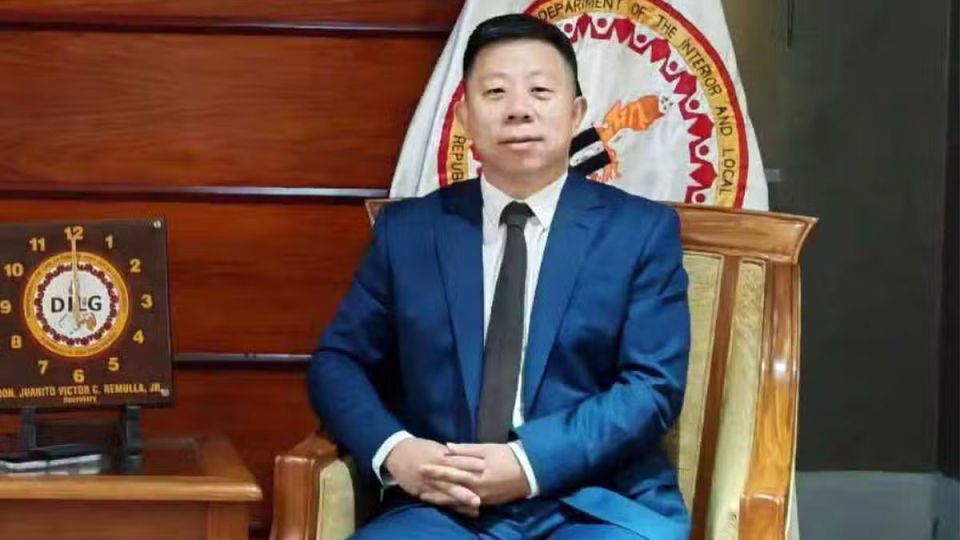
Filipino lawmakers on Wednesday urged President Marcos to expel Chinese Ambassador Jing Quan and declare him persona non grata, as the war of words between Manila and Beijing escalated. The Chinese Embassy in Manila answered in kind, using its Facebook page to fire back.
By press time, the embassy had published seven sharp replies in a single day. Each one responded to a separate statement from senators, party-list groups, House members and Defense Secretary Gilberto Teodoro Jr.
A heated exchange
Sen. Francis Pangilinan’s post on Tuesday night was among the harshest. He urged Marcos to show the same resolve he had used against former President Rodrigo Duterte, Apollo Quiboloy and former Speaker Martin Romualdez, and against illegal offshore gaming operators, by sending the ambassador home. He described Jing as arrogant, insulting and crude.
The embassy hit back by asking whether personal attacks and name-calling were fitting for a Philippine senator, and whether such language matched the diplomacy and prudence the Department of Foreign Affairs claims to uphold.
A resolution seeking expulsion
At the House of Representatives, ten lawmakers filed House Resolution No. 1562 calling for Jing’s expulsion. The group included Senior Deputy Minority Leader Leila de Lima and Akbayan representatives Chel Diokno, Percival Cendaña and Dadah Ismula. The move follows several Senate measures filed after the ambassador said China could easily win an armed conflict with the Philippines.
The resolution argues that the Constitution gives the President executive power and primary authority over foreign relations. It says the President must therefore respond decisively to statements and conduct that undermine national sovereignty or threaten the country’s security.
Other signatories included Lanao del Sur Rep. Zia Alonto Adiong, Las Piñas Rep. Mark Anthony Santos, Albay Rep. Cielo Lagman, Dinagat Islands Rep. Kaka Bag-ao, Pinoy Workers Rep. Karl Legazpi and Zamboanga del Norte Rep. Adrian Amatong. Amatong’s participation was seen as a show of defiance, given the possibility of retaliatory entry bans from Beijing.
The count keeps rising
Akbayan said on Facebook that after nine House members issued a joint statement against the ambassador’s threats, the group had grown to ten. The party claimed Beijing had placed these lawmakers on a ‘list’ to intimidate them, but that the tactic had backfired.
The embassy responded with a mocking post saying the resolution had been ‘put on the list,’ and that the lawmakers had got what they wanted.
In another post, the embassy answered a news report in which Ridon urged Marcos to deport Jing and the people running the embassy’s social media operations. The embassy’s reply: why not suggest closing the entire embassy?
Are trolls behind the comments?
Earlier on Tuesday, Sen. JV Ejercito suggested during a Senate budget hearing that China may be using social media trolls to spread propaganda that sows division among Filipinos over the country’s territorial sovereignty. He said his own page was flooded with comments within minutes of his reaction to Jing’s remarks.
Teodoro, who was present at the hearing, said the People’s Liberation Army uses influence and propaganda activities as part of its broader strategy. He pointed to the United Front Work as a pillar of the Chinese Communist Party.
The embassy also targeted Ejercito. It shared a May post from Chinese tire maker Linglong that showed him endorsing the brand, captioned by asking how he felt about being a ‘Chinese brand ambassador.’ Ejercito has urged Filipinos to stay alert to efforts that exploit social media to deepen divisions over issues of national interest.
The issue of online manipulation is not new. In 2016, NPR, citing a Harvard study, estimated that the Chinese government fabricates about 488 million social media posts each year. In 2021, the US-based Council on Foreign Relations reported that Chinese internet trolls had gone global, increasingly pushing propaganda on foreign platforms and posing serious threats to economic security, political stability and personal safety worldwide.
Defending the ambassador
Sen. Robin Padilla came to Jing’s defense and urged other officials to speak with him in person. He described the ambassador as educated, a gentleman and direct.
Sen. Panfilo Lacson told the DFA that calling out a diplomat for undiplomatic conduct toward high-ranking elected officials, and asking his government to recall him, was not a failure of diplomacy. He called it a dignified way of protecting bilateral relations.
In a post quoting Lacson, the embassy argued that holding officials accountable for reckless, inflammatory remarks, and urging them to choose their words carefully, is about preserving relations. It said this is not a failure of diplomacy.