 Mekong Monitor
UNCLOS Commission Urges Cambodia and Thailand to Ease Tensions
The UNCLOS Conciliation Commission urges Cambodia and Thailand to restore senior diplomatic ties, keep the status quo at sea, and tone down public statements. The recommendations follow the second meeting in the current maritime boundary conciliation process.
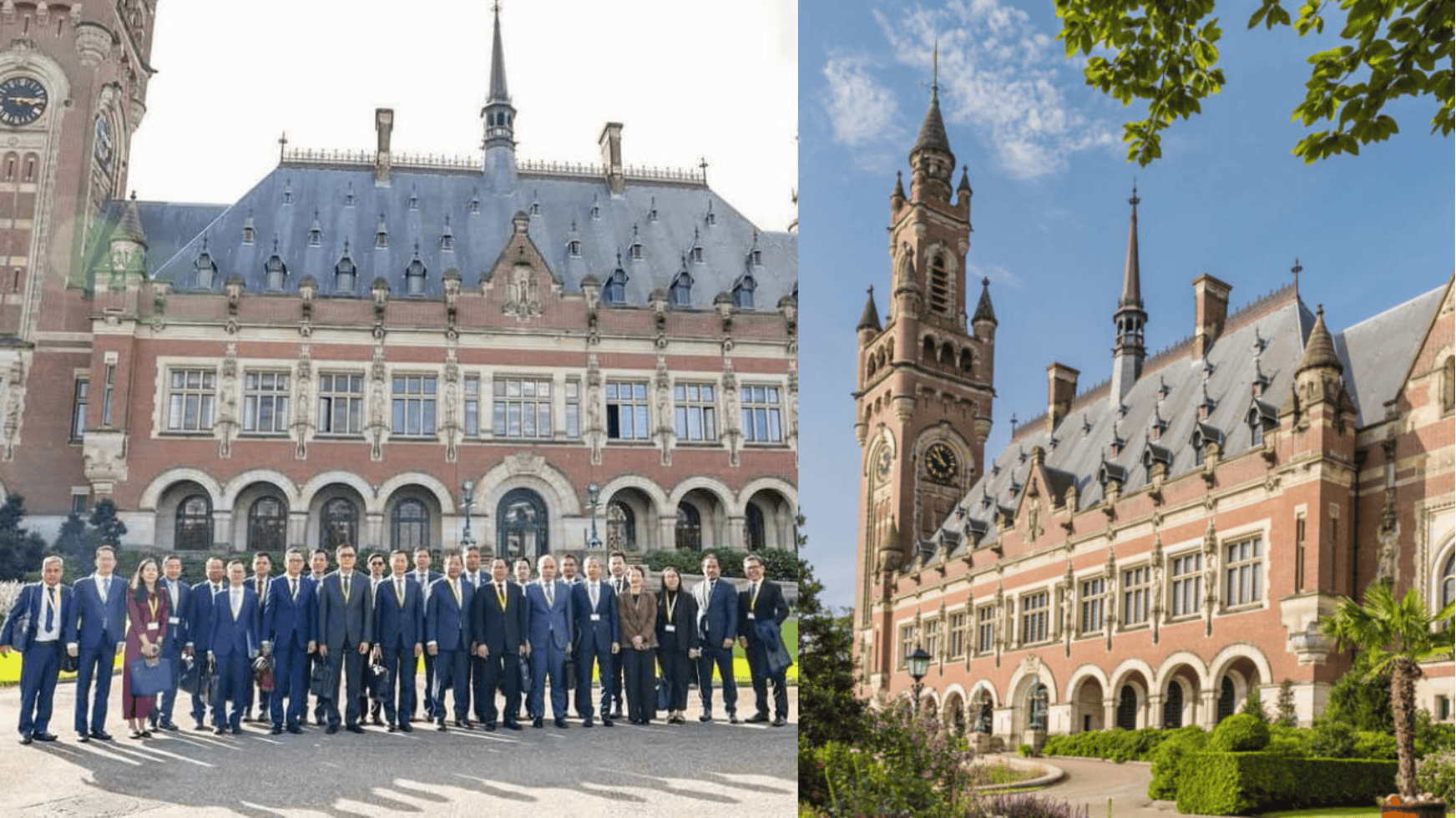
The UNCLOS Conciliation Commission is calling on Cambodia and Thailand to restore senior diplomatic representation in each other’s capitals, keep the status quo in the maritime areas under review, and show restraint in what they say publicly.
These proposals appear in a package of confidence-building measures issued on October 19, after the five-member commission met from October 14 to 18. It was the second meeting in the current conciliation process, which is being held under the UN Convention on the Law of the Sea (UNCLOS).
Under the package, both governments pledge to build trust, maintain an atmosphere in which talks can move forward, and open space for further cooperation.
Both countries also commit to engaging constructively and, with the commission’s help, to agreeing a permanent maritime boundary under Articles 15, 74 and 83 of UNCLOS, with the aim of eventually concluding a bilateral maritime boundary treaty.
On public messaging, the two sides are asked to frame statements about the boundary and their wider relationship so as to encourage engagement rather than apply pressure or close off options. They are also urged to keep comments about the conciliation process positive and constructive.
The commission further asked both parties to guard against misinformation and disinformation that could undermine the process, whether it spreads through official channels or personal accounts. It acknowledged that each side retains the right to protect its legitimate interests and correct false claims.
Both governments also agreed to exercise restraint in public statements that could fuel negative sentiment or heighten tensions between their peoples. On the sea, neither side should take steps that could materially change the status quo in the disputed areas or escalate friction. To prevent misunderstandings, the navy commanders of both countries are to maintain open lines of communication so that any provocative incident at sea can be managed quickly.
Commission chair Katrina Cooper said neither side has yet fully carried out earlier understandings, but she saw encouraging signs. She said she was heartened by what both sides had achieved in just two meetings, noting that talks on the boundary had made real progress, deepened the commission’s understanding and identified the next steps. She described the confidence-building package as a significant milestone and the first concrete result of the conciliation since the commission was established, crediting the flexibility shown by both sides.
The foreign ministers of both countries said they backed the measures and would take a full part in the process. Cambodia’s Prak Sokhonn said Cambodia looked forward to continuing this work at the next meeting. Thailand’s Sihasak Phuangketkeow pledged to cooperate fully and in good faith toward a lasting solution on maritime delimitation under international law, and urged both sides to put the confidence-building steps into practice in earnest.
The third meeting is scheduled for the fourth week of November in Kuala Lumpur, Malaysia.
Kin Phea, director of the International Relations Institute at the Royal Academy of Cambodia, welcomed the measures as a sign of genuine progress. He said building trust between the two sides is essential, and pointed to earlier Thai statements that he described as veiled threats and disinformation, which had made a solution much harder to reach. He also noted that Thailand often links the land border dispute with the maritime issue, even though the two countries use different legal instruments for each.
Phea believes restoring representative offices in each other’s capitals could help ease tensions. Diplomatic relations are currently almost entirely cut back, with both sides maintaining only a second secretary-level presence.
He also warned that both countries are now relying on the media to respond to one another. In his view, this allows Thailand to spread misinformation through the press while keeping official distance from it and blaming a news outlet if challenged. Despite these concerns, he said he remained confident that the process would produce a treaty that benefits both signatories and the wider region.