 Mekong Monitor
UN Rapporteur Urges Thailand and Cambodia to Allow Displaced Civilians to Return Home
UN special rapporteur Thomas H. Andrews has urged Thailand and Cambodia to enable the safe return of roughly 20,000 displaced civilians to their homes following border conflict.
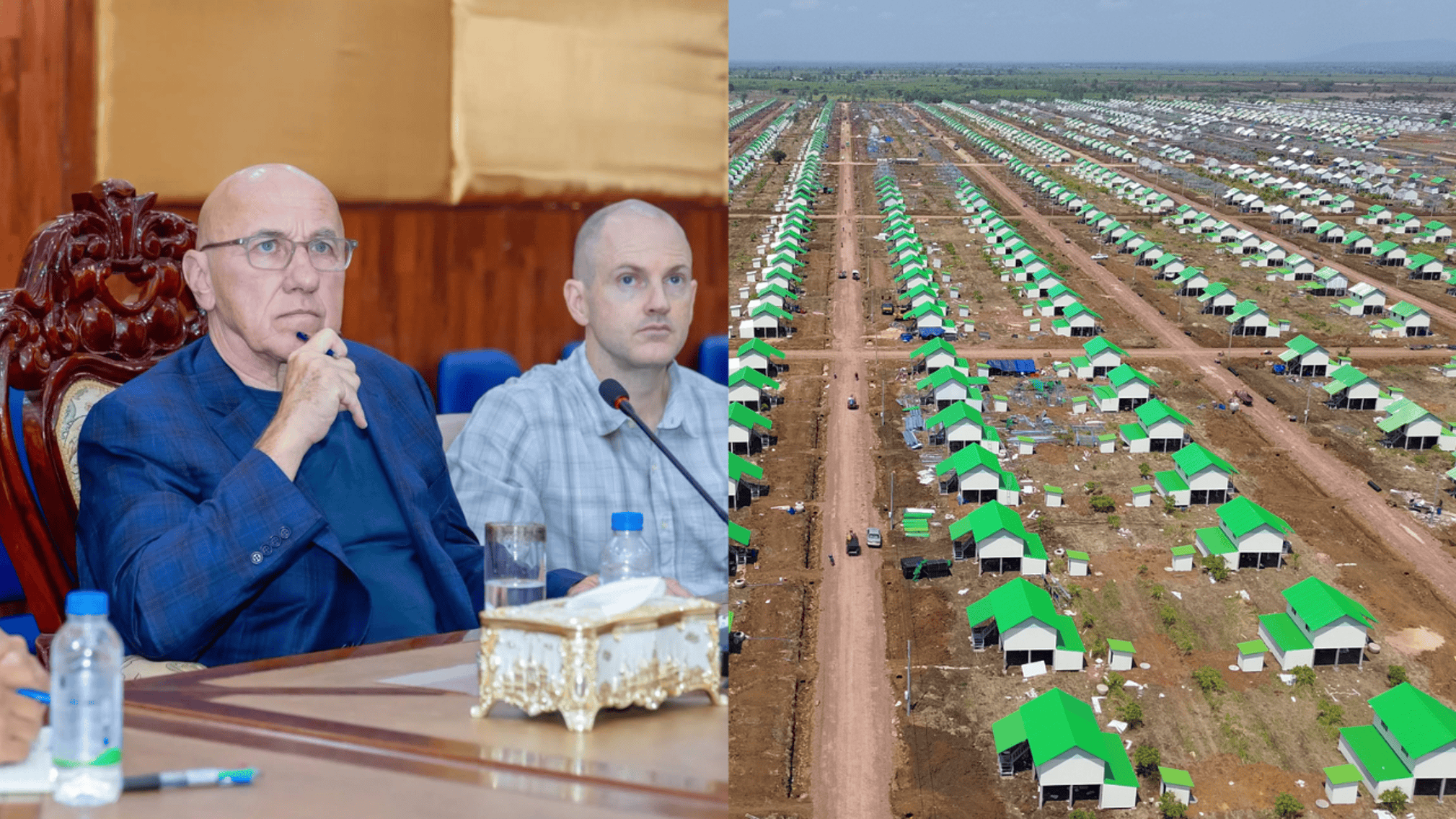
Thomas H. Andrews, the United Nations special rapporteur on human rights in Cambodia, has called on both Thailand and Cambodia to facilitate the safe return of approximately 20,000 displaced civilians to their homes, in accordance with commitments made in a joint statement issued on December 27.
In a report presented to the 63rd session of the UN Human Rights Council on September 25, Andrews emphasized the need for both governments to de-escalate border tensions and uphold the human rights of all individuals affected by the ongoing conflict, particularly the right of displaced persons to return voluntarily and safely.
The 17-page document addresses various domestic human rights concerns but places particular emphasis on both countries' obligation to honor the December 27 ceasefire agreement and respect fundamental human rights.
Andrews recommended that Cambodian authorities continue collaborating with international partners, humanitarian organizations, and civil society groups to deliver essential services including food, shelter, and medical care to those affected by the displacement. He also called on officials to refrain from detaining, prosecuting, or hindering journalists, human rights advocates, or civil society representatives documenting the conflict and its impact.
During his July visit to the Cambodia-Thailand border region, the rapporteur observed firsthand how the conflict has affected human rights conditions. He toured a large resettlement site built by the Cambodian government in Banteay Meanchey province, where he interviewed numerous displaced individuals.
The facility houses over 13,000 people in 3,300 dwellings, each situated on plots measuring 20 by 30 meters that allow for small-scale gardening or business activities.
Andrews consulted with senior Cambodian officials, including the prime minister, senate president, and the governor of Banteay Meanchey province, and has also corresponded with Thai authorities regarding the humanitarian consequences of the conflict.
As of September, more than 18,000 Cambodian civilians remained displaced, according to the rapporteur's findings.
Despite government and NGO initiatives providing cash assistance, food distribution, and other support programs, conditions for the displaced population remain severe. Most fled with only what they could carry, abandoning their possessions and means of livelihood behind.
Those still displaced primarily come from communities directly along the border. Many previously depended on cross-border commerce or employment in Thailand and have struggled to find alternative work. Residents of the resettlement site told Andrews they are having difficulty providing adequate food and clothing for their families and worry about meeting basic needs in the months ahead.
Displaced Cambodians informed the rapporteur that they cannot return home due to the presence of Thai military forces in their towns and villages. They described how Thai troops have erected barriers using barbed wire, shipping containers, and other materials that physically prevent their return.
Some reported being intimidated by Thai soldiers who shouted threats and pointed weapons when they attempted to approach these barricades. Several residents of the relocation site said their homes had been demolished by Thai military personnel.
During his visit, Andrews traveled to the perimeter of the Boeung Trakoun area where he observed extensive barbed wire fencing and a barrier constructed from shipping containers displaying a Thai flag. Similar cordons have reportedly been established around other Cambodian communities.
Referencing findings from the human rights organization LICADHO, Andrews noted that publicly accessible satellite images reveal the destruction of hundreds of homes and civilian buildings in zones now under Thai military control, primarily within areas where territorial claims between the two countries overlap.
International humanitarian law clearly establishes that displaced individuals have the right to return to their homes once the circumstances causing their displacement no longer exist, the rapporteur stated.
He referenced the December 27, 2025 ceasefire agreement in which both Thailand and Cambodia pledged to allow civilians in affected border zones to return to their homes and resume normal lives "at the earliest, without obstruction and in safety and dignity."
According to Andrews, Thai authorities have maintained that their military presence on disputed territory complies with the ceasefire terms, which permit both sides to maintain existing troop positions without additional movement.
The rapporteur stressed the critical importance of Thailand and Cambodia working cooperatively to accelerate the return of displaced civilians. He also urged Cambodia to develop employment solutions for the roughly 900,000 Cambodian migrant workers who have returned from Thailand.
Andrews called on both nations to pursue a swift and peaceful resolution to the border dispute so that affected communities can return home, live in a stable and secure environment, and benefit from the economic advantages that border trade offers.
The rapporteur deliberately avoided commenting on political, military, or legal dimensions of the Thailand-Cambodia conflict, including matters related to border demarcation and responsibility for initiating hostilities, noting these issues fall outside his mandate.
However, he emphasized that the conflict has had a profound impact on the human rights of civilian populations on both sides of the border.