 Mekong Monitor
U.S.-Made Guns Smuggled to North Korea Through Hong Kong Network, Sources Say
A Hong Kong-based network reportedly helped smuggle U.S.-made firearms into North Korea by hiding them among diplomats' belongings, in a scheme that may still be running despite weakened sanctions monitoring.
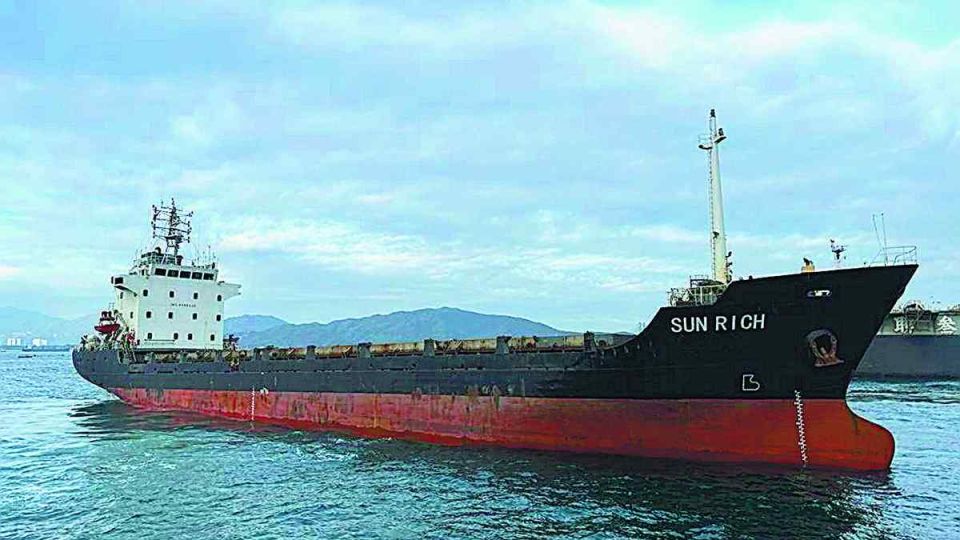
A network of private individuals based in Hong Kong, including a Chinese national, played a central role in a scheme to smuggle weapons from the United States to North Korea. The operation led to the 2024 arrest of a Chinese man in the United States, according to several people familiar with the case.
U.S. prosecutors say Shenghua Wen, acting on instructions from North Korean officials, bought firearms in the United States and shipped them from the Port of Long Beach in California to Hong Kong in December 2023. The weapons reached Hong Kong around January 1, 2024, and were then moved on to North Korea.
UN Security Council resolutions ban arms exports to North Korea. Wen was sentenced the previous August.
How the guns were hidden
According to the sources, a Hong Kong man who effectively controlled the trading company listed as the recipient of the shipment led the local side of the operation. He had also been hired to transport the household belongings of North Korean diplomats returning home after North Korea closed its Consulate General in Hong Kong in 2023.
Once the weapons arrived in Hong Kong, he had them loaded alongside the diplomats' belongings onto a cargo ship called the Sun Rich, which was flying the flag of Sierra Leone at the time. The crates were labeled as “refrigerators” and “kitchen equipment.”
The plan exploited Hong Kong's simple import and export rules and the sheer volume of cargo moving through its free-trade port. It also relied on the assumption that customs officers would not closely inspect shipments carrying diplomats' personal property. The diplomats themselves knew nothing about the scheme, the sources said.
Other players and ongoing activity
A Taiwanese man who effectively owned the cargo ship and a Chinese man who ran a shipping company in practice were also involved, the sources added.
The network reportedly still operates four cargo ships. Its recent shipments have included iron and steel products, which are also banned under UN sanctions. The group may also be planning to bring petroleum from Malaysia into North Korea.
Weakened oversight
The UN Security Council's Panel of Experts, which monitored compliance with North Korea sanctions, had to stop operating at the end of April 2024. Russia vetoed a resolution that would have extended its mandate.
Katsuhisa Furukawa, a former member of the panel, reviewed U.S. prosecution records and compared them with documents supplied by people close to the operation. Based on his analysis, he concluded that the accounts were reasonable and credible.
The ship has sailed under several different names and flags. After leaving Hong Kong and reaching waters near the Yellow Sea, it has repeatedly switched off its automatic identification system, which broadcasts a vessel's location and other data. Furukawa said the ship has rarely if ever docked at the ports it declared as destinations, including several in South Korea, and that the most plausible explanation is that it has made repeated secret stops at North Korean ports.
He argued that all UN member states, China included, should freeze the vessel's assets and seize it in line with Security Council resolutions.