 Mekong Monitor
Travelling with Purpose: Meet the People Behind Kampot Pepper
A visit to La Plantation in Kampot reveals the farm, factory and people behind the famous pepper, from a hands-on cooking class to a community-focused business.
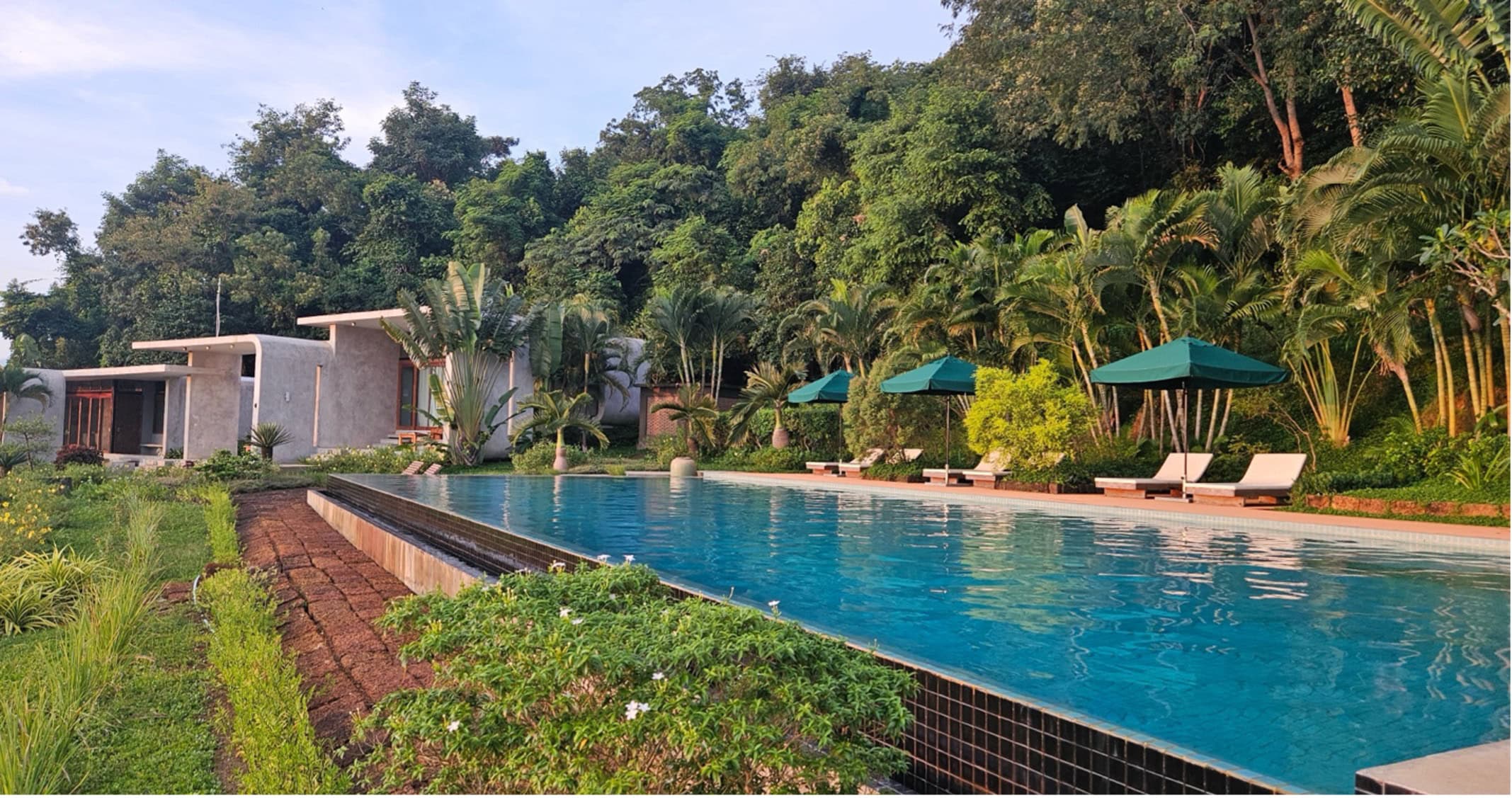
I had seen La Plantation's products on shop shelves across Phnom Penh countless times, but a visit to the farm itself had never really entered my mind. That changed during the boys' long holiday. A few days in Kampot seemed like the perfect break, so we booked two nights at La Villa de La Plantation.
Kampot has a little of everything: rolling hills, winding rivers, lovely countryside, excellent food, and the coast only a short drive away. Kep is near enough for a day trip, so it's easy to see why so many visitors fall for this corner of Cambodia.
From the villa, Kampot and Kep were each about 20 to 25 minutes away by car, and the roads were good. The drive was a pleasure in itself. On the way, we passed a vast lake framed by mountains, and I remember thinking the landscape couldn't get any more beautiful. Then we reached the villa, and the scenery somehow outdid it.
A View Worth Waking Up To
The pepper farm spread out in front of us, with the lake and mountains we had just driven past rising behind it. From our bedrooms, we could enjoy the very same panorama.
We arrived in the afternoon with time to unpack before sunset. As the sun sank behind the peaks, dragonflies zipped around us. Before long, we gave in to the temptation of the pool, slipped in, and watched the last light drain from the sky.
That night we swam under a sky packed with stars. After so long living in the city, I had nearly forgotten how many stars there are to see. Out here they were sharp and bright, and the water felt just right.
Breakfast the next morning was a perfect start to the day: coffee, toast, seasonal fruit, fresh juice and eggs, all eaten slowly while looking out over the scenery. There was no rush and no fixed agenda, just good food, good coffee and time to appreciate where we were.
But we hadn't come all this way only to admire the view. It was time to learn what goes into the pepper we had known for so long.
Getting to Know Kampot Pepper
I was surprised by how many people had turned up for the farm tour. A good mix of Cambodian and international visitors had joined, and the staff worked together smoothly, greeting everyone and making sure each person could keep up.
Our guide walked us through the different plants and pepper varieties, explaining how they grow, how they are harvested, and how the peppercorns are dried.
One of the highlights was tasting fresh green pepper right there on the farm, and it was delicious. I had always thought of Kampot pepper as something dried and packed, ready to season a dish. Eating it straight from the plant was a completely different experience.
The tour finished with a tasting session. We sampled various dried peppers and other ingredients, then rated them and picked our favourites. It was great fun. Rather than simply being told about the ingredients, we could taste the differences for ourselves and decide what we preferred.
We also toured the factory, where cleanliness, food safety and quality clearly came first. The pepper is picked by hand, and even the packing is done manually rather than by machine.
Seeing the whole process changed the way I think about each jar. There is the land where the pepper grows, the people who harvest and prepare it, and the care it takes to bring the finished product to market. I had seen these products on shelves in Phnom Penh, but now I understood the effort behind them.
The Boys' Own Adventure
While I was touring the farm, the boys were having an adventure of their own in the farm kitchen. They joined the chef for a Khmer cooking class and made green mango salad, fish amok and vegetable curry. I didn't take part myself, but I heard all about it afterwards.
They did almost everything themselves. They prepared their own fish, made coconut milk from fresh coconuts instead of opening a tin, and cooked every dish from scratch. Then they sat down to lunch with the food they had made, along with soft drinks and, naturally, ice cream.
My younger son was especially thrilled. He kept talking about the fish and the homemade coconut milk long after the class had ended.
I can see why. Making coconut milk by hand takes far more effort than opening a can, and cooking a whole dish yourself is a world away from watching a chef do it.
They weren't just learning about Khmer food. They were getting stuck in, working things out for themselves and enjoying the rewards of their own efforts. As a mother, I loved seeing them take part so fully. We came to Kampot for a family getaway, and the boys left with new skills and a meal they could genuinely be proud of.
More Than Pepper on a Shelf
After the tour and tasting, we headed to the shop, and it was impressive. Products filled the shelves, and I honestly lost count of how many items La Plantation has created from the spices and ingredients it grows and works with.
It's easy to spend a good while browsing, whether you're looking for something to take home for your own kitchen or a gift for someone else.
Before the visit, I knew La Plantation mainly from the products I had spotted around Phnom Penh. Standing among so many of them, I realised how much has grown out of this single farm.
What struck me most, though, was what those products mean for the people behind them. La Plantation employs members of the local community, and it also works with independent farmers, giving them a market for what they grow and new business opportunities. The company supports education nearby as well, funding a local government high school and offering scholarships to university students.
Hearing about this side of the business was genuinely heartwarming. Imagine being part of making something known far beyond your own community. You understand the land and the work, and you help create a product that people in other countries might one day bring into their kitchens. That must carry real pride.
Providing a job is one thing. Giving people the chance to put their skills into a product recognised around the world, while helping local farmers reach buyers, is something more. And when a business invests in education, its impact can stretch well beyond the people on its payroll today.
The Pride Behind the Pepper
Throughout our stay, the team's pride in their work was obvious. Reception greeted us warmly, the guides spoke with confidence, and everyone seemed to play a part in making the visit a success.
One small moment stayed with me. The team proudly pointed out a portrait of the founders, Guy and Nathalie, and introduced them to us.
I found that really touching. It wasn't a polished presentation of company achievements. It was simply the way the staff talked about the people behind the place where they worked. It made me think about how much it means to feel part of a place where the people who make the product matter just as much as the product itself.