 Mekong Monitor
Tokyo Prison Tests Calm-Down Rooms to Aid Rehabilitation of Inmates with Severe Behavioral Disorders
Japan's Justice Ministry will pilot calm-down rooms at Tokyo's Fuchu Prison, along with specialist staff training, to better support inmates with severe behavioral disorders. The goal is to reduce reliance on protective cells and keep rehabilitation on track.
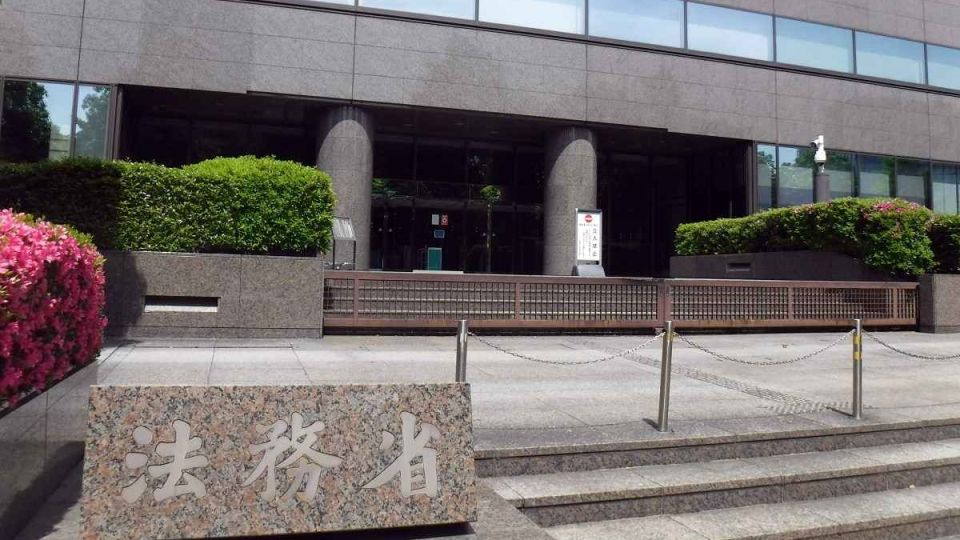
Japan's Justice Ministry plans to launch a pilot program next fiscal year that will provide specialized care for prisoners with serious behavioral disorders that lead them to hurt themselves or others. Fuchu Prison in Tokyo will set up rooms designed to help inmates calm down, and correctional officers will receive training from specialists on how to respond to these prisoners' needs.
The Health, Labor and Welfare Ministry describes severe behavioral disorders as conditions marked by repeated episodes of extreme conduct, including self-injury, violence toward others and damage to property. These conditions are not congenital disabilities. Instead, they are believed to be triggered by factors such as sensitivity to stimuli like light and sound, along with anxiety and stress caused by not knowing what is about to happen.
The initiative follows the introduction of a revised Penal Code in June 2025, which places more emphasis on rehabilitation and on preventing reoffending. Under the changes, prisons can tailor their treatment of each inmate to that person's age and individual traits. If the pilot proves successful, the ministry hopes to extend the program to other prisons.
Under the Law on Penal Detention Facilities and Treatment of Inmates and Detainees, prison wardens can order an inmate placed in a protective cell if they are judged likely to harm themselves or others, or to damage prison property.
However, moving agitated inmates into these cells can lead to confrontations, putting both prisoners and officers at risk of injury. To prevent self-harm and property damage, protective cells are kept almost entirely bare, and inmates held in them are barred from prison work and rehabilitation programs. Those interruptions can make it harder for them to reintegrate into society later. The constant monitoring these cells require also places a heavy burden on staff.
To address these problems, Fuchu Prison will build several rooms with soundproofing and light-blocking features next fiscal year, supervised by a psychiatrist. When an inmate begins to show signs of agitation, officers will encourage them to step into one of these rooms. The goal is to help inmates return to regular prison activities sooner than they could after being placed in a protective cell.
Officers will also receive training from psychiatrists, social welfare professionals and other experts to deepen their understanding of severe behavioral disorders. The prison plans to test different room layouts, including ones that use music and varied wall colors to help inmates relax, to determine which features work best.
Calm-down spaces of this kind have become increasingly common in recent years at airports, schools and other public venues. Several were also installed at the 2025 Osaka-Kansai Expo.
“We want to prevent problem behavior before it happens by adjusting the environment to each inmate's individual needs,” a senior Justice Ministry official said. “If inmates can keep receiving the education and rehabilitation programs they need without interruption, we hope they will make a smoother transition back into society.”