 Mekong Monitor
Think Before You Share: Cambodia's Youth Urged to Curb False Information
Cambodia's Ministry of Information is calling on the public, especially young people, to verify sources before believing or sharing online content. Officials warn that false information, including material created to provoke unrest, can harm individuals and communities.
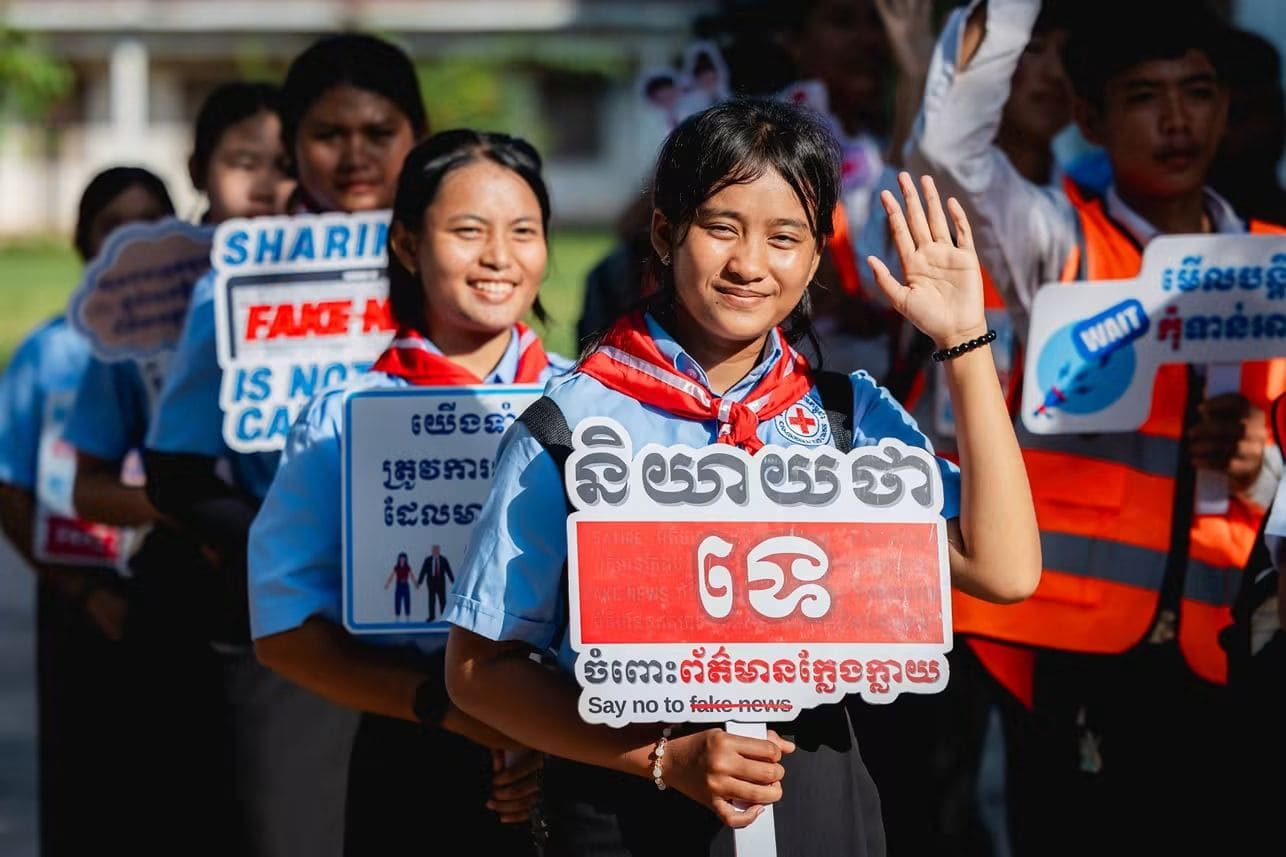
Cambodians, especially young people, are being urged to check where information comes from before they believe it or pass it on. As artificial intelligence advances and digital content spreads faster than ever, separating fact from fiction has become much harder.
The Ministry of Information has launched an appeal titled “Let’s work together for information safety in Cambodia!” It asks social media users to act as “information safety agents” by checking sources, examining content carefully and holding back anything that lacks a clear factual basis.
Ministry spokesperson Tep Asnarith said information from both domestic and international sources is multiplying and moving quickly online. Because accurate reports are often mixed with false ones, he warned, the result can harm individuals, families and entire communities.
“Being media literate means more than knowing how to navigate social media,” he said. “It requires the ability to reflect, analyse, weigh the evidence and confirm where information originates before trusting it or acting on it.”
The appeal describes these skills as a “shield” against falsehoods spread for profit or to stir up social disorder.
Three priorities for the public
- Be cautious before believing or sharing information, particularly when its source is unclear, so that it stops circulating.
- Avoid unknowingly becoming part of the chain that spreads false content.
- Make verification a habit by consulting official sources from the government, ministries and state institutions, as well as news outlets that uphold professional and ethical standards.
Asnarith cautioned that young people who fail to assess information critically could easily fall for propaganda, leading to misunderstandings, poor decisions and social conflict.
He also argued that much false information is created deliberately, whether as “biased propaganda” or content with an “extremist political character,” with the aim of inciting unrest, spreading hatred and undermining national unity.
He linked information safety to peace and social stability, which he described as the foundations of development and public wellbeing. He urged users to weigh the potential benefits of a post before sharing it, and to avoid content that spreads fear, provokes unrest or lacks a solid factual basis.
“Whenever we share something, we should ask whether it will do good before we publish it or pass it along,” Asnarith said.