Shared Heritage, Separate Histories: An Open Letter on Cultural Memory
A Cambodian writer calls for historical fairness in cultural debates, pointing to hundreds of Khmer-era monuments preserved within modern Thailand.
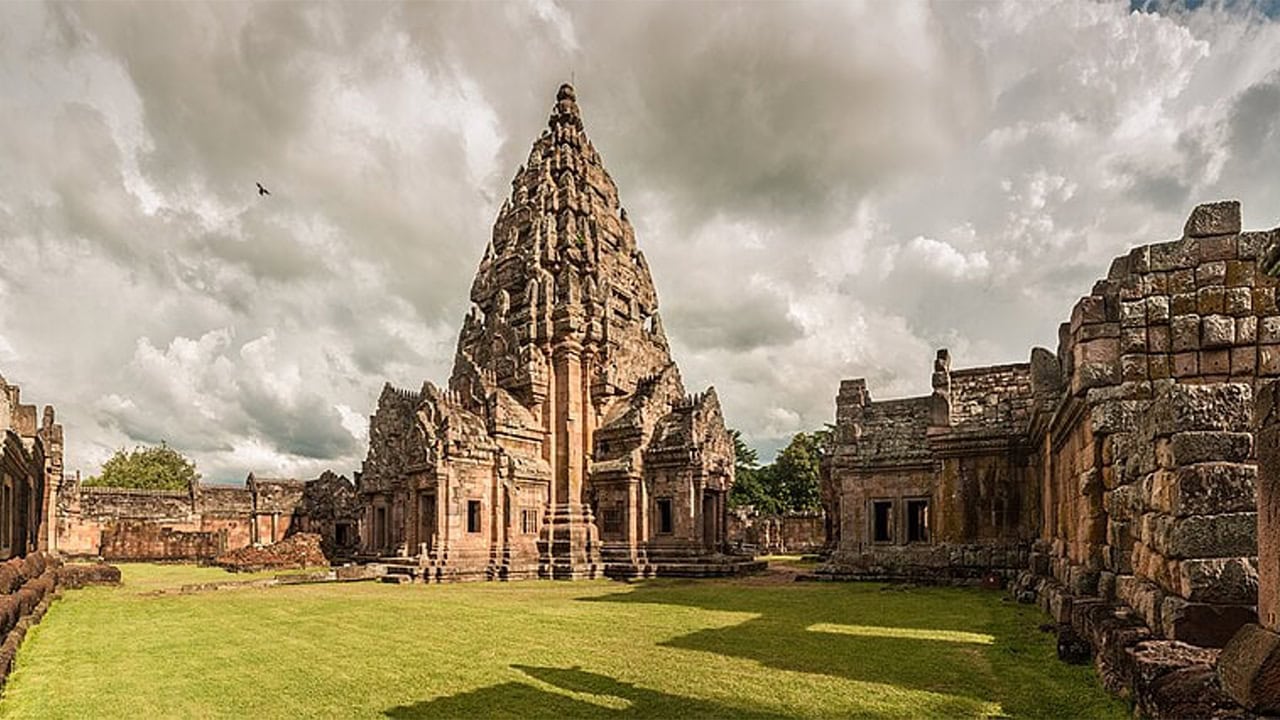
A well-known pattern online goes like this: a photo of a shared cultural artifact appears, and someone in Thailand immediately accuses Cambodia of "stealing" it. But accusations don’t replace evidence. If Thailand insists on examining heritage claims with historical rigor, Cambodia must be afforded the same right—to look at the full historical record, not just selective images.
Here’s one place to start: how many ancient Khmer monuments stand within today’s Thailand? The answer isn’t a handful—it’s hundreds. From Buriram and Surin to Sisaket, Nakhon Ratchasima, and Sa Kaeo, these sites are real documented features of the landscape. Thailand’s own tourism agency lists Phanom Rung, Prasat Muang Tam, and Phimai as key Khmer-era sites. Official archaeological surveys confirm the same.
A photograph isn’t an excavation report. A viral post isn’t an inscription. A modern border doesn’t dictate who built a temple a thousand years ago. Just because a monument sits in present-day Thailand doesn’t mean its origins change.
Look closely at the evidence: the architecture, the inscriptions in Khmer script, the religious iconography, the dating—all point to the Khmer Empire. This isn’t speculation; it’s documented history.
To those quick to label Cambodia as a cultural thief: before casting blame, examine the ground beneath your feet. This isn’t about denying Thai identity or claiming all traditions belong to Cambodia. It’s about acknowledging a shared past—one shaped by shifting kingdoms, migrations, and cross-cultural exchange long before modern borders existed.
History should be debated with scholarship, not slogans. If Cambodia is expected to prove its heritage claims, the same standard must apply when heritage from the Khmer era sits inside Thailand. Bring the records—not memes, not nationalist rhetoric, but primary sources. Let historians and archaeologists peer-reviewed access. That’s how serious conversation happens.
I write this not out of hostility toward Thailand or its people, but out of respect for truth and peace. Friendship doesn’t require forgetting. Respect doesn’t mean letting bias rewrite the past. Let evidence stand. Let history be honest. Let Cambodians and Thais remember together—without hatred, without distortion.