Senator and Business Magnate Ly Yong Phat Backs Government's Anti-Scam Drive
Cambodian tycoon and Senator Ly Yong Phat has pledged unconditional support for the government's crackdown on online scams, aligning with Prime Minister Hun Manet's call for accountability across all business actors.
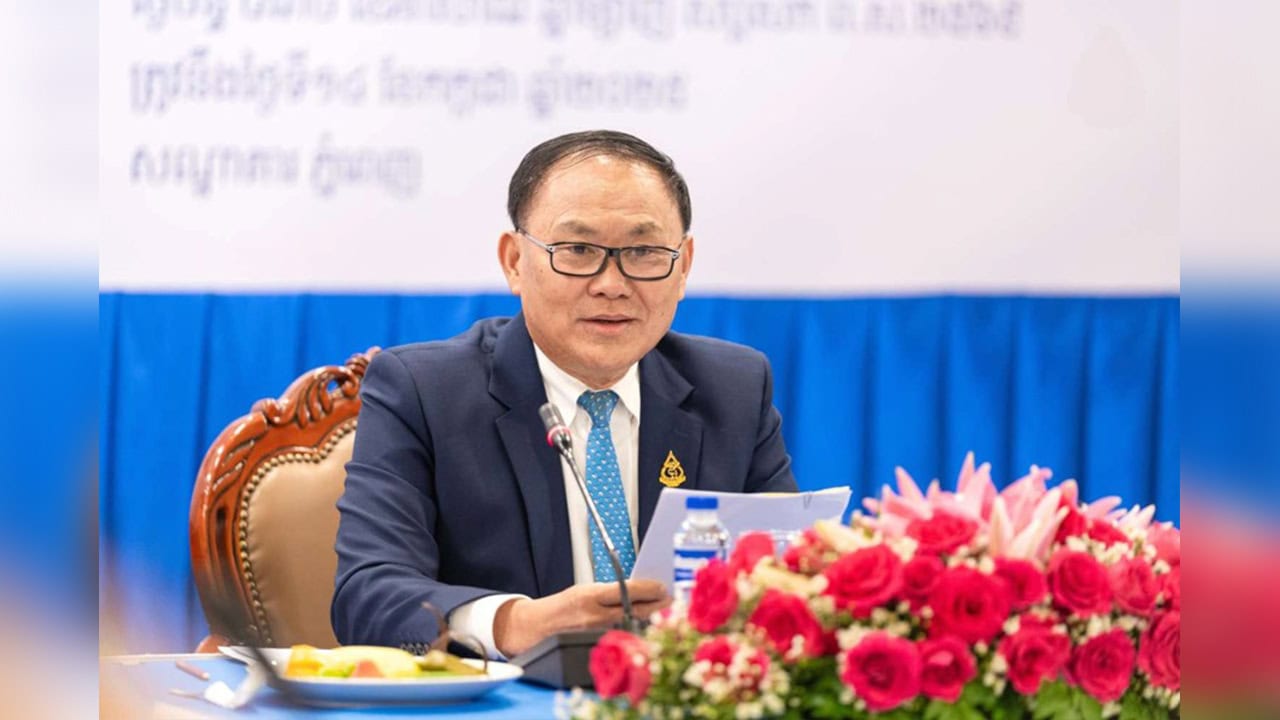
Ly Yong Phat, a well-known Cambodian entrepreneur and sitting member of the Senate, has thrown his personal weight behind the government's push to stamp out online fraud. He characterised technology-driven scams as a grave cross-border crime that endangers ordinary citizens, undermines honest businesses and tarnishes Cambodia's standing abroad.
Yong Phat stated that he stood fully and without reservation behind the government's policies and its firm actions to shut down and permanently dismantle every site and network tied to tech-enabled scams operating in the country. He voiced a stance of "zero tolerance" toward online scam offences "with no exceptions whatsoever" and endorsed the two-day International Conference on Combating Online Scams, which began in Phnom Penh on 23 September under the leadership of Prime Minister Hun Manet.
According to Yong Phat, the crime puts the public at risk, corrodes the legitimate business climate, erodes investor trust and inflicts lasting damage on the nation's image. As both a businessman and an investor in Cambodia, he said he was prepared to work alongside the government, law enforcement bodies and international allies to shield the public, defend the country's reputation and help build a clean digital future.
Aligning With the Prime Minister's Message
His pledge mirrored a key theme in Manet's opening remarks: that investors, landlords, recruiters and other commercial players have a duty to stop criminal groups from misusing lawful business activity.
"Cambodia will never be a safe haven for online scams," the prime minister declared. "Cambodia will not allow criminal syndicates to undermine our country's progress and the livelihoods of over 17 million Cambodian people."
Manet emphasised that the crime had neither begun in Cambodia nor remained contained within its borders. "Accountability must be proven through uncompromising internal actions," he said, adding that up-to-date anti-scam laws need to reach entire criminal networks — the leaders, financiers, recruiters, property owners and anyone else who knowingly assists them.
Legal and Enforcement Steps
Cambodia set up the Commission on Combating Online Scams, headed directly by Manet, in February 2025, and passed the Law on Combating Online Scams in April 2026.
"We treat law enforcement as a standing national security obligation and not a public relations campaign," the prime minister said. He reported that the authorities had broken up all major scam compounds across the country, while cautioning that criminal syndicates were now trying to regroup into smaller, more scattered operations.
A Personal Dimension
Yong Phat's public backing of the campaign holds particular weight given his own history: he has previously dismissed Thai media claims that tied him and his companies to alleged cybercrime and money laundering.
In comments made in November 2025, he denied reports that Thai officials had searched 36 properties and frozen assets worth 400 million baht — around $12.3 million — said to be linked to online scams. He explained that he had run licensed casino operations for more than 20 years and had leased out some premises to other parties after those businesses shut down during the Covid-19 pandemic.
"I don't operate scam centres. I built my company with my own hands, and I have always contributed to Cambodia's growth," he said.