 Mekong Monitor
Samlout District Starts Fining Litterbugs as Nationwide Bin Rollout Expands
Samlout district in Battambang province has begun fining litterers between 20,000 and 400,000 riel. The crackdown coincides with a nationwide rollout of tens of thousands of rubbish bins by the Ministry of Environment.
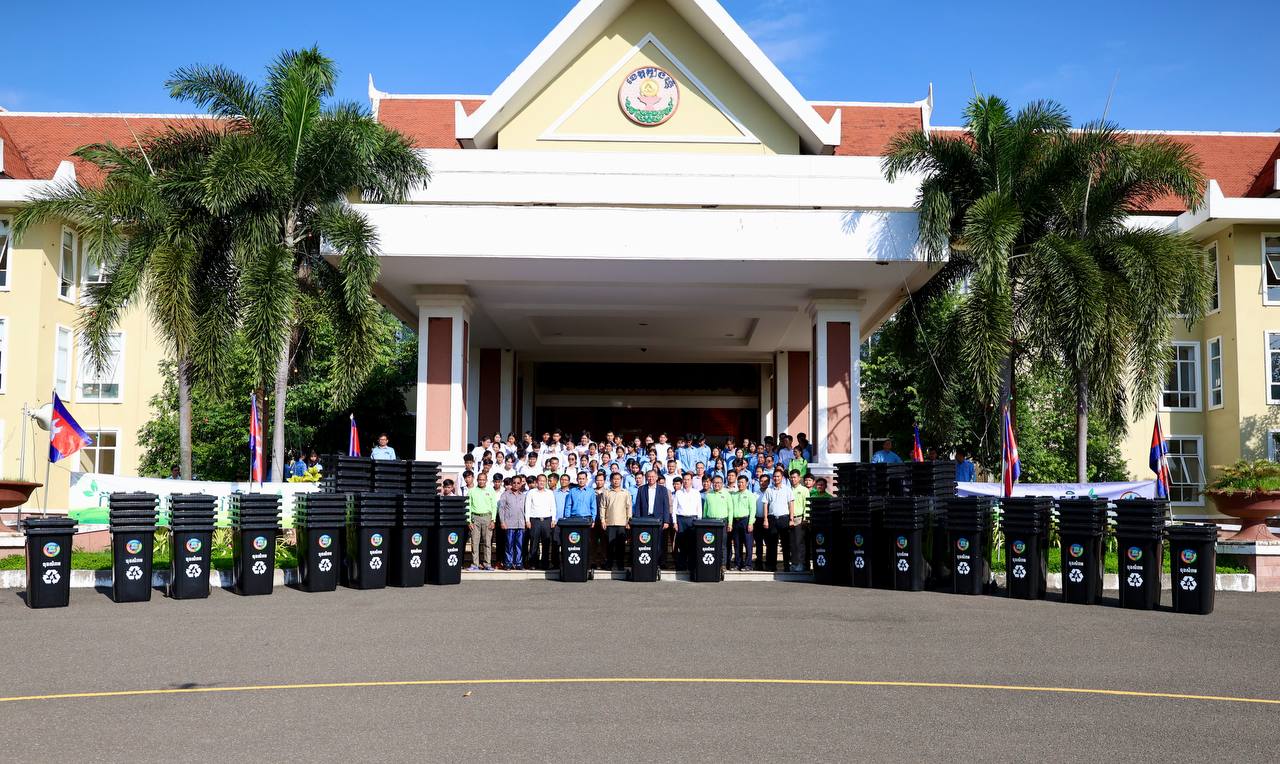
Authorities in Samlout district, Battambang province, have started handing out fines to people who litter. Penalties range from 20,000 to 400,000 riel (about $5 to $100). The move comes as the Ministry of Environment rolls out tens of thousands of rubbish bins across the country.
In a statement on October 6, the district administration said that, despite repeated public awareness campaigns on solid waste management and sanitation, some residents and businesses still dump rubbish on roads and in other public spaces. The administration warned that this harms the environment and public health, and spoils the appearance of the district.
To stop the problem, the district will impose the following fines. Offenders will also have to clean up their waste.
- Individuals, including tourists: 20,000 riel, plus picking up their litter and placing it in a public bin.
- Street vendors: 50,000 riel, plus collecting and packaging their waste for disposal at a site designated by authorities.
- Home-based vendors, restaurants and entertainment venues: 150,000 riel, plus collecting and packaging waste for disposal at a designated site.
- Markets, businesses, service providers and handicraft operators: 200,000 riel, plus collecting, cleaning and transporting their waste to a disposal site.
- Large factories and enterprises: 400,000 riel, the highest penalty, plus the same duty to collect, clean and transport their waste.
Repeat offenders will face escalating penalties. If someone ignores a warning, the fine will be doubled from the amount charged for their previous offence, the administration said.
National bin distribution
Alongside the crackdown, the Ministry of Environment reported that as of October 1, it had handed out 45,120 rubbish bins nationwide. Recipients include schools, pagodas, health centres and prisons, as well as ministries, other government institutions, and sub-national and local administrations. The aim is to help these institutions set up waste storage systems and keep their surroundings cleaner.
Each school has so far received three bins, which will give schools more room to collect and sort waste. Once the planned school deliveries are finished, the nationwide total will reach 62,295 bins.
The second phase of the ministry’s priority “Cleanliness” strategy will deliver a further 17,175 bins to 5,725 schools in 14 capital and provincial administrations. Bins will also go to various government offices.
Environment Minister Eang Sophalleth said the programme is meant to motivate local communities to take better care of cleanliness and waste management, so that their surroundings are healthier and more attractive. He added that the bins are an important tool for collecting and storing waste and for encouraging people to separate their rubbish responsibly.
The ministry’s wider campaign for a cleaner Cambodia focuses on changing public habits and discouraging people from dumping rubbish wherever they like.
On the broader picture, the minister stressed that managing waste, including plastic waste, is a key part of building a circular economy. He described this as a shift in how people live, produce and consume, guided by efficiency and a sense of responsibility toward the environment.