 Mekong Monitor
Pursat Governor Holds Commune Chiefs Responsible for Keeping Their Areas Clean
Pursat’s governor has told local leaders they must keep their areas free of rubbish, claiming 90 to 95 per cent of public roads and homes are now clean. The drive also covers roadside order, waste collection gaps and the province’s tourism ambitions.
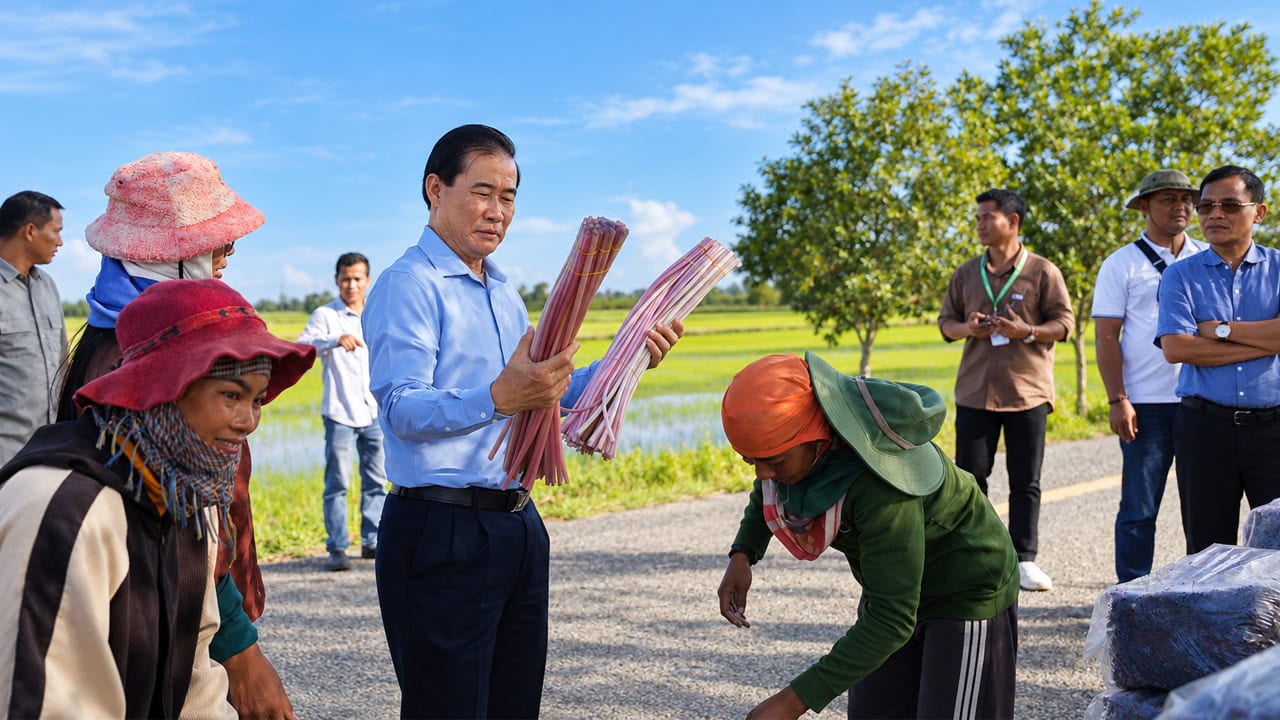
Pursat provincial governor Khoy Rida has put local officials on notice with a blunt slogan: “Where there is a commune chief, there must be no rubbish; where there is rubbish, there should be no commune chief.” The message is part of a push to make local leaders answerable for environmental sanitation. The governor says roughly 90 to 95 per cent of the province’s public roads and residential areas are now free of garbage.
The slogan puts the responsibility for tidy villages and towns squarely on commune chiefs and other local officials, as the provincial administration keeps up its drive to improve public order and waste management.
Speaking to a visiting group of journalists, Rida said public security, order and sanitation are among the province’s main development priorities. Their aim is to make the province safer, improve residents’ quality of life and boost its appeal to tourists.
He reminded reporters that in 2025 he pledged to the Royal Government that Pursat would become cleaner and that litter in public spaces would be reduced.
“I want Pursat to be free of rubbish. We can’t promise it will be spotless all at once, but we have to keep working toward that goal,” he said.
According to Rida, the clean-up has been rolled out in stages, starting in the provincial town centre and then moving out to districts, communes, sangkats and villages. Local authorities, civil servants, security forces and residents have all taken part.
“Overall, about 90 to 95 per cent of our public roads and residential areas are clean at the moment. A few areas remain, and we are working with residents to fix them,” he said.
Shared responsibility
Rida stressed that keeping things clean is not just the job of waste collectors. Authorities and residents share the responsibility, and it requires people to change everyday habits around how they dispose of and manage rubbish.
He acknowledged that some residents have long been used to leaving household items and garbage lying around in a disorderly way, so ongoing education and guidance are needed.
He also pointed out that cleanliness is closely tied to public health, the look of towns and their attractiveness. Tidy surroundings make life more pleasant for residents and more inviting for visitors.
Roadside order and waste collection
Beyond rubbish, the provincial government has been working to organise roadside spaces and parking so that commercial activity along public roads causes less traffic disruption.
Rida explained that cars parked on the road, or motorists stopping to buy goods where there is no proper space, can narrow traffic lanes and raise the risk of accidents.
“If we provide proper roadside parking and places for people to stop and shop, both the look of the area and the safety of our people improve,” he said.
Bins have been installed in urban centres and major public spaces, and households have been told to bag and store their waste properly. Rida admitted, however, that collection services have not yet reached every remote area.
“All our urban centres have rubbish bins, and households must package their waste properly. Some areas have collection services, but remote communities still don’t,” he said.
In places without collection, residents have been advised to set aside a spot on their own property for waste, and to separate organic material that can be composted. Rida mentioned digging waste pits and burning household rubbish as methods currently used. He stressed, though, that sound waste management practices are still essential to limit harm to public health and the environment.
He also clarified the purpose of the public bins along the roads. They are meant for travellers and tourists to dispose of small amounts of litter on their journeys, not for households to dump daily rubbish. If every household used them, he warned, the bins would be overwhelmed.
Tourism and the road ahead
The cleanliness drive is also tied to the province’s goal of drawing more visitors to its natural attractions, including the Cardamom Mountains, Veal Veng, O’Som and its many waterfalls.
The opening of National Road 10, which links Battambang, Pursat and Koh Kong provinces, has made mountain areas and natural destinations easier to reach. Authorities are continuing to build infrastructure and improve environmental conditions along the route.
More visitors could bring new income to local communities, but they would also put more strain on waste disposal and management systems. That makes protecting the environment all the more important.
Rida said sanitation will remain an ongoing priority that requires action from authorities at every level, as well as the wider public. “If it isn’t clean yet, we will keep working until it gets better,” he said.
The slogan reflects his insistence that local officials be held accountable for encouraging better public behaviour and for making cleanliness a normal part of community life. From keeping the provincial capital orderly to teaching residents in villages and communes, Pursat’s administration wants cleanliness to become a built-in part of daily life and local economic development.