 Mekong Monitor
Police Bust Gangnam Prostitution Ring Behind 2,800+ Appointments in 44 Days
Seoul police have referred eight suspects to prosecutors over a Gangnam prostitution ring that allegedly arranged more than 2,800 appointments in 44 days and earned at least 574 million won. The case has exposed a network that operated out of residential studio apartments.
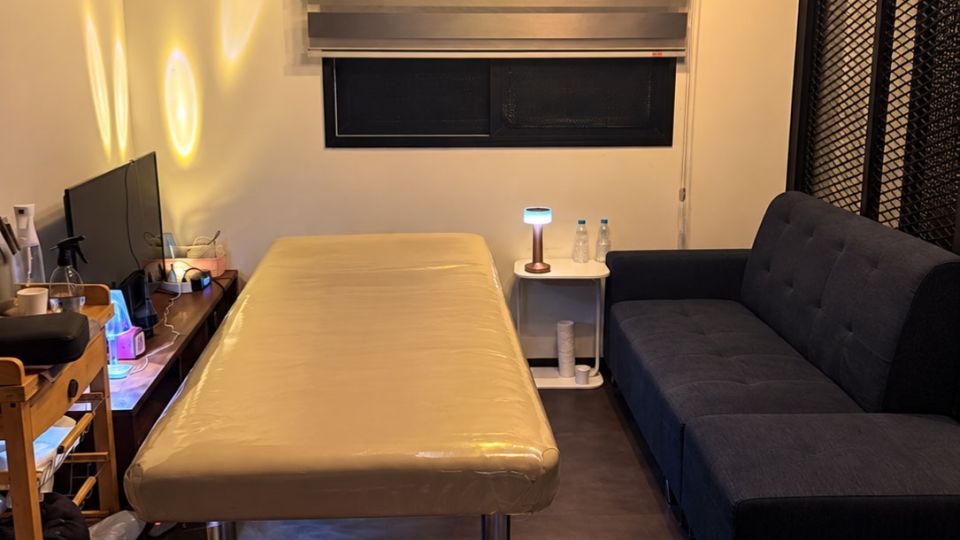
Police in Seoul say a prostitution network based in Gangnam-gu may have collected at least 574 million won (about $434,000) from more than 2,800 paid appointments over 44 days.
On Tuesday, officers at Gangnam Police Station sent eight suspects to prosecutors without requesting detention. The group includes three business operators, one manager, two women, and two men suspected of taking part in the scheme.
How the operation worked
The three operators are accused of arranging prostitution for profit, a crime that carries up to seven years in prison or a fine of as much as 70 million won. The network reportedly used 33 studio apartments in the Nonhyeon-dong and Yeoksam-dong neighborhoods as meeting spots. It advertised online and through Telegram channels, disguising the services as “Swedish massage” and similar treatments.
To screen out unwanted visitors, the operators required prospective clients to verify their identities with phones registered in their own names. They then checked those customers against a shared database maintained by similar businesses to flag anyone considered a risk.
Two businesses uncovered
Investigators found two separate businesses. The larger one handled more than 2,800 transactions over 44 days and brought in at least 574 million won. The other’s activity remains unclear, as the suspects allegedly destroyed evidence.
The case began after police received a report in November 2025. Officers gradually identified and arrested the operators and their accomplices by analyzing call records, reviewing surveillance footage, and conducting undercover monitoring.
Police said they will work with relevant agencies to crack down on discreet sex rings operating in residential areas and to help residents feel safe. Investigators also plan to pursue other suspected participants based on the evidence gathered so far.