 Mekong Monitor
One Year On, Cambodia-Thailand Peace Under the Kuala Lumpur Accord Remains Out of Reach
One year after the Kuala Lumpur Peace Accords were signed, Cambodia and Thailand have yet to see lasting calm. Thai troops still hold parts of Cambodian territory, talks have stalled, and around 20,000 displaced Cambodians remain in temporary shelters.
Today marks one year since the Kuala Lumpur Peace Accords were signed in the presence of US President Donald Trump, yet lasting peace between Cambodia and Thailand still looks a long way off. Thai military forces continue to hold parts of Cambodian territory, and formal negotiations have not taken place for nearly a year.
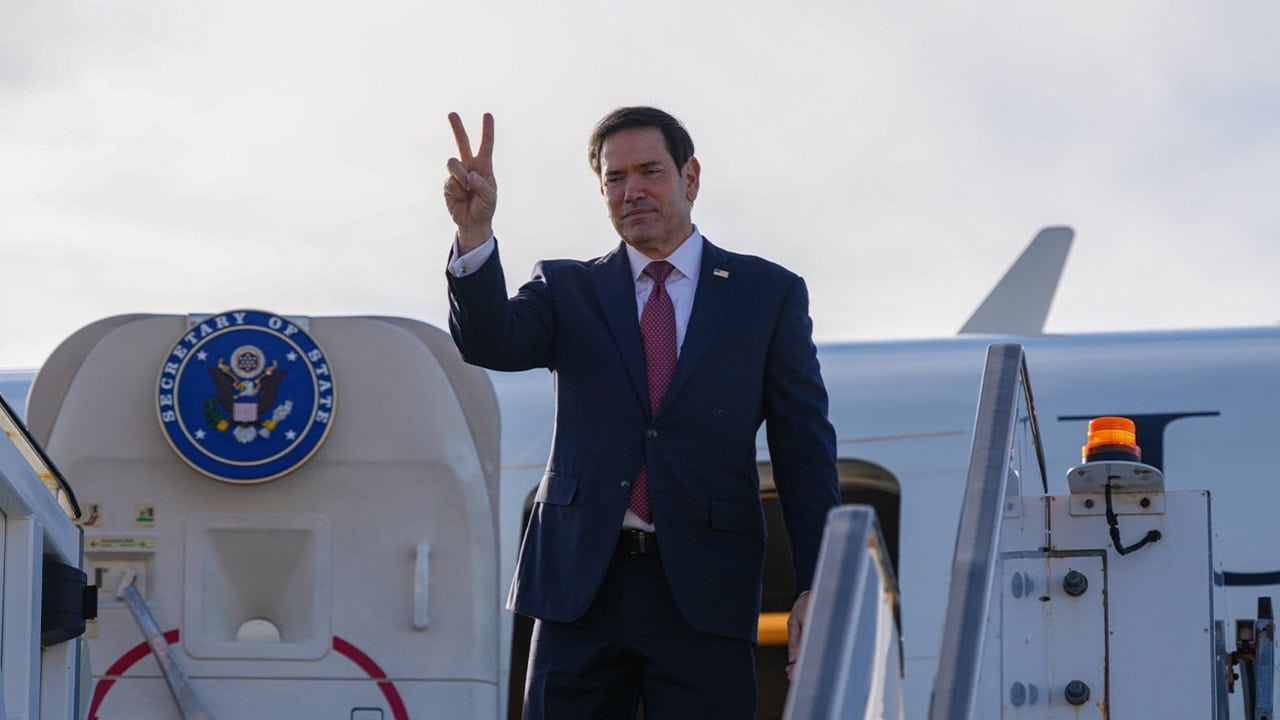
US Secretary of State Marco Rubio marked the anniversary by crediting Trump's leadership with bringing the two countries together. He argued that the accord showed the strength of American diplomacy in resolving conflicts and laid groundwork for peace in the region. Rubio also said Washington remains hopeful the agreement will bring lasting stability and that it continues to work with both governments on implementation.
The accord was signed on October 26, 2025. Its aim was to ease tensions and set up a framework for resolving the border dispute between Cambodia and Thailand.
Fighting Resumes and Talks Stall
The agreement did not hold for long. Less than two months after the signing, fighting broke out again on December 7, and Thai Prime Minister Anutin Charnvirakul announced that Thailand would disregard or suspend its commitments under the accord.
A second round of clashes ended on December 27, 2025, but negotiations have been stuck ever since. Around 20,000 displaced Cambodian civilians are still living in temporary shelters and so-called “waiting villages.”
Occupation and Unresolved Grievances
Thai forces occupy many areas of Cambodian soil, well beyond the territory Thailand itself claims. Cambodian authorities regularly report illegal activity in these occupied zones.
Cambodia has repeatedly called for both sides to carry out previously agreed measures and to resume border negotiations. Without meaningful progress, communities affected by the conflict continue to live with uncertainty.
A year after the ceremony in Kuala Lumpur, the agreement has yet to produce results on the ground. For Cambodians affected by the fighting, what matters most now is concrete action: an end to the military occupation, a return to the negotiating table, and a safe return home for displaced families, rather than assurances from abroad alone.