 Mekong Monitor
One Standard for Neighbours: Thailand’s ASEAN Credibility on the Line
Cambodia asks whether Thailand applies the same diplomatic principles to smaller neighbours as it does to larger or more economically important ones.
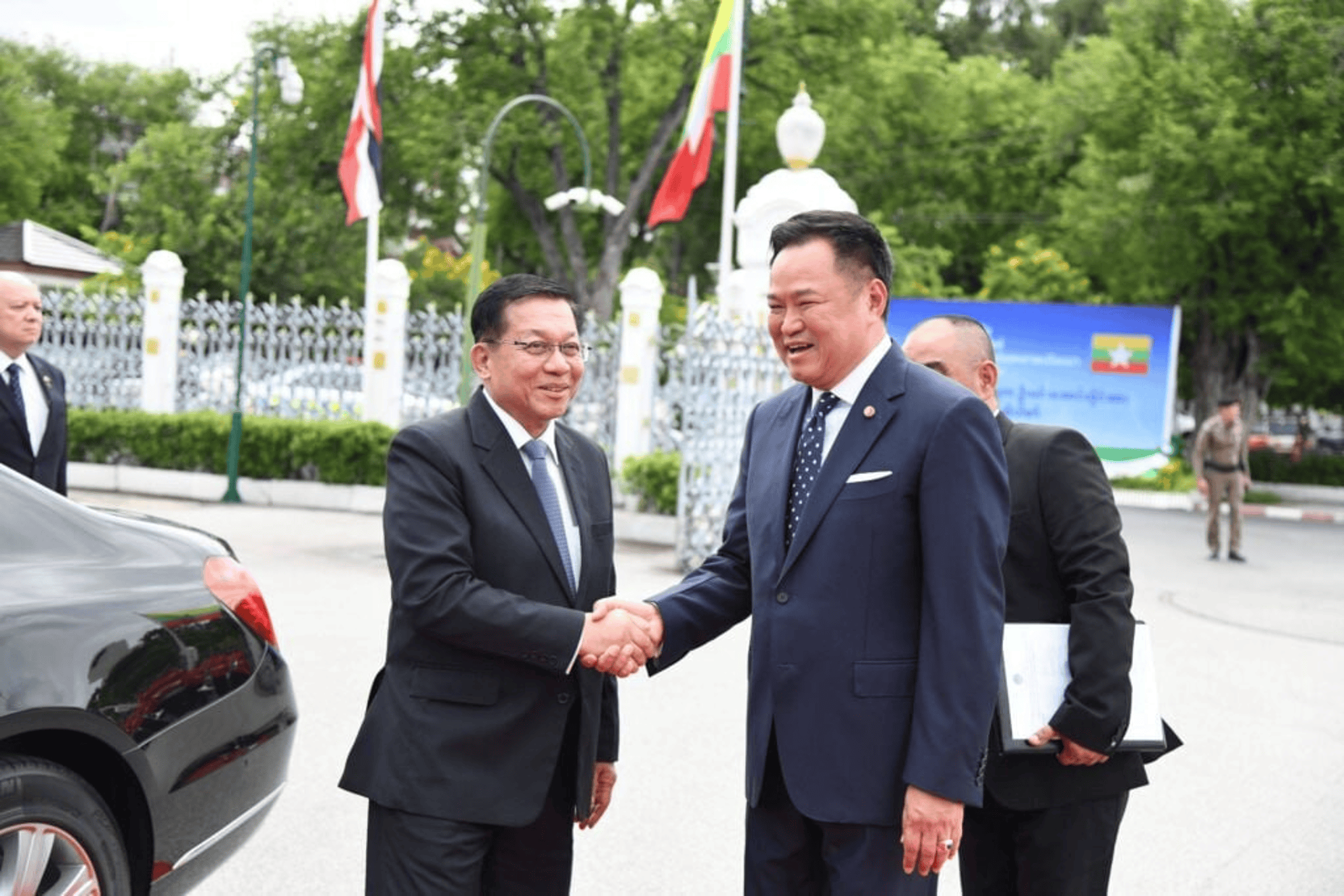
Thailand faces a straightforward but uncomfortable question: are its relations with neighbours governed by consistent diplomatic principles, or does its conduct shift depending on a neighbour’s size, economic weight and strategic importance?
This is not a complaint from someone hostile to Thailand. It is a question from a Cambodian citizen who has followed Thai-Cambodian relations closely and wants the relationship to rest on fairness rather than rivalry.
Thailand often describes itself as a leading regional power and a major voice in ASEAN. Leadership carries expectations. If a country asks others to respect its sovereignty, territorial integrity and preferred methods for settling disputes, it should be willing to extend the same respect to smaller neighbours.
A look at Thailand’s ties with Malaysia makes the contrast hard to ignore.
Malaysia: cooperation comes first
Thailand has identified Malaysia as its leading ASEAN trading partner. During a July 2026 visit, Prime Minister Anutin Charnvirakul stressed trade, investment, tourism, border links and security cooperation. Both sides discussed raising bilateral trade toward $30 billion and framed the frontier as a zone of opportunity rather than friction.
Bangkok has also linked engagement with Malaysia to development needs in Thailand’s southern regions. That approach is sensible. Neighbours that are economically intertwined should talk, trade and cooperate.
The issue is consistency. If dialogue is the natural response to shared interests with Malaysia, why does disagreement with Cambodia so often drift toward pressure, confrontation or nationalist messaging?
When interdependence encourages cooperation with one neighbour, it should not disappear simply because another neighbour is smaller.
Myanmar: restraint is possible
Myanmar offers another instructive case. When cross-border violence and military operations affected Thai border areas, including an April 2026 incident in which a bomb fell on Thai territory in Mae Hong Son province, Thailand chose evacuation and tighter border security rather than direct military retaliation.
That was a defensible decision. It also showed that Bangkok knows how to manage risk and avoid escalation when it wants to.
The real question is not whether Thailand can exercise restraint. It clearly can. The question is when it chooses restraint, and for which neighbours.
Cambodia is not an easy target
Cambodians are not Thailand’s enemies. The two countries are bound by shared culture, geography, history and deep everyday ties. Cambodian workers, students, traders and families move across this relationship constantly.
Yet Thai public discourse toward Cambodia can become unusually harsh when tensions rise. That pattern feeds the perception that pressure is easier to apply to a smaller neighbour than to a more strategically important one.
Thailand may not intend that impression, but the impression matters. Credible foreign policy should not depend on how much power a neighbour can exert in return.
This is not to claim every dispute is identical or that every Thai government behaves in exactly the same way. Context always matters. The central question remains simple: do international principles change according to the size of the country on the other side of the border?
If the answer is no, then the standards should be visible everywhere.
Strength does not create superior rights
Military power does not give a state more sovereignty than another. A bigger economy does not make international law more favourable to the wealthy. A smaller population does not make territorial claims less legitimate.
Being a smaller neighbour does not mean Cambodia should accept challenges to its interests in silence.
Cambodia has increasingly turned to diplomacy and legal mechanisms. On September 15, 2026, the two countries launched a UN-backed compulsory conciliation process over their maritime boundary dispute, opening with a meeting in Singapore.
This is the kind of approach ASEAN should welcome. Evidence should be examined, legal arguments heard and diplomatic channels given a chance before force or intimidation enters the picture.
The test is consistency
Thailand cannot promote regional peace while treating neighbours at different diplomatic temperatures. It cannot expect smaller countries to honour its sovereignty while demanding that they absorb pressure whenever its own interests are at stake. It cannot celebrate partnership with one neighbour while letting disputes with another become political fuel.
Foreign policy is not measured by volume. It is measured by whether principles hold when a weaker country is on the receiving end.
If Malaysia can be approached as an essential economic and strategic partner, and if Myanmar can be handled with restraint despite serious border incidents, Cambodia deserves the same approach: diplomacy, evidence, international law, respect and patience.
There should be one standard, not a strong-neighbour standard and a small-neighbour standard.
A direct appeal
To Thai policymakers, the message is clear: Cambodia’s search for peace should not be mistaken for weakness. Cambodia’s smaller economy does not mean smaller sovereignty.
A request for international law is not automatically hostility. Political rhetoric should not be allowed to turn ordinary Cambodians and ordinary Thais against one another.
Thailand’s importance in ASEAN is exactly why it should model responsible leadership. True strength is not the ability to intimidate a weaker neighbour. True strength is the confidence to treat a weaker neighbour with the same dignity shown to a stronger one.
Cambodia does not need conflict with Thailand. It does not need a culture war. It needs an equal relationship grounded in sovereignty, facts, law, mutual respect and peaceful coexistence.
Ordinary Thai people deserve that same relationship, because borders may be negotiated by governments, but peace is lived by people.