 Mekong Monitor
Nepal Wins Seat on UN Human Rights Council for 2027–2029
Nepal has returned to the UN Human Rights Council for the 2027–2029 term after winning 173 of 180 General Assembly votes. It previously served on the council from 2018 to 2023.
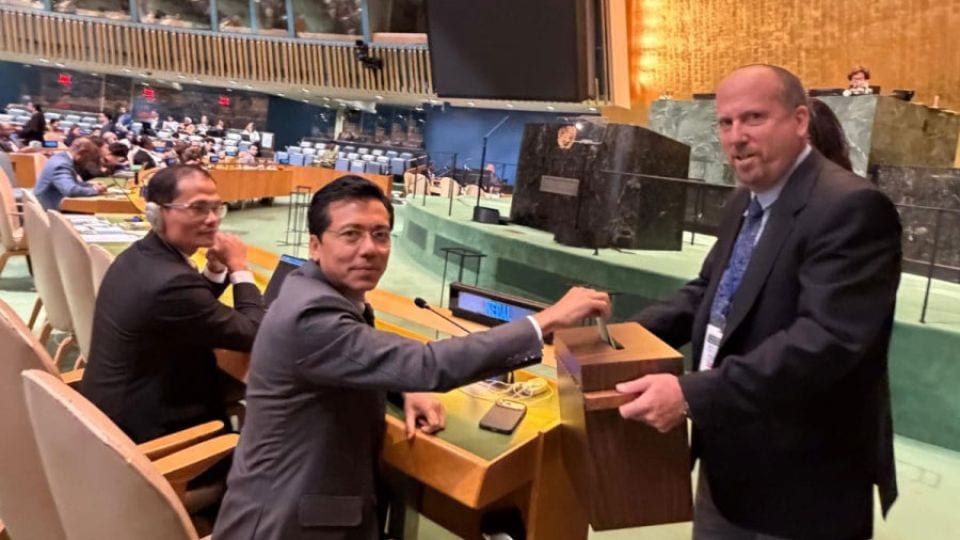
Nepal has won a place on the United Nations Human Rights Council for the 2027–2029 term, receiving 173 of the 180 votes cast in the UN General Assembly, according to the country's Permanent Mission to the UN in New York.
Nepal received the most votes of any candidate from its regional group, the mission said in a statement welcoming the result. It thanked UN member states for their confidence in the country's commitment to multilateralism, human rights, international law and a rules-based international order centred on the United Nations.
The government also congratulated the other countries elected to the 47-member council for the same term: Brazil, Burundi, the Dominican Republic, Germany, Ghana, Ireland, Japan, Jordan, Kuwait, Moldova, Nigeria, Ukraine, Uruguay and Zambia.
Nepal said it looks forward to working with fellow member states and other partners to protect human dignity, encourage inclusion and social justice, and promote fair development, with a pledge to leave no one behind.
Nepal previously served two consecutive terms on the council, from 2018 to 2023. The new seat gives it another opportunity to take part in the UN's main intergovernmental body for promoting and protecting human rights worldwide.
Founded in 2006 and headquartered in Geneva, the council has 47 members, each elected by the General Assembly through a secret ballot. Members serve three-year terms, and seats are divided among the UN's regional groups.
The council reviews the human rights records of every UN member state through the Universal Periodic Review. It also responds to rights violations, issues recommendations to strengthen protection and accountability, and appoints independent experts, known as special rapporteurs, to investigate specific situations and thematic issues.
For Nepal, the seat offers both a diplomatic platform and a set of responsibilities, including supporting the universal application of human rights, engaging with international scrutiny, and contributing to joint efforts to address rights concerns.
Nepal's performance on the council will be measured against its commitments to human rights, inclusion, social justice and fundamental freedoms, both at home and abroad.