 Mekong Monitor
Nepal Flood Survivors Abandon Squalid Camps as Government Stalls on Relief
Hundreds of flood-displaced families in Nepal are deserting poorly equipped emergency shelters for rented rooms they cannot afford, as bureaucratic bottlenecks delay promised government relief funds.
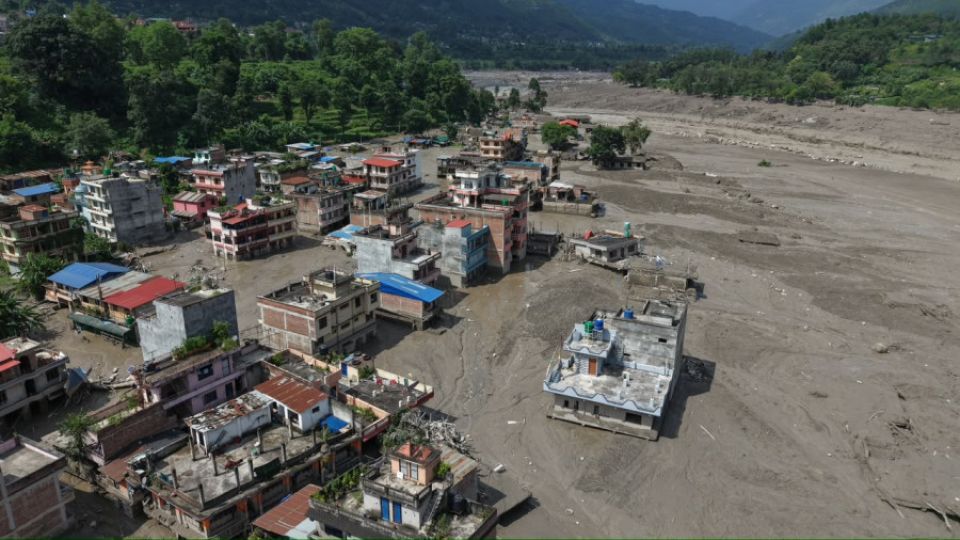
Across central Nepal, hundreds of families displaced by devastating flash floods are abandoning official relief shelters, driven out by squalid living conditions and mounting frustration over delayed government support.
The floods, which struck late this summer, obliterated more than 7,500 homes across the districts of Rasuwa, Nuwakot, and Dhading. While around 4,500 people initially sought refuge in emergency camps, the National Disaster Risk Reduction and Management Authority reports that barely 1,000 remain. The rest have dispersed to seek shelter in rented rooms across nearby towns like Bidur, or have migrated toward Kathmandu despite having little to no income to sustain themselves.
Desperate Conditions in Makeshift Shelters
For many displaced residents, remaining in the emergency sites proved unbearable. Blemde Ghale, a 28-year-old from Khalte in Rasuwa who lost four family members—including his mother, two brothers, and his eight-year-old son—survived the deluge with his pregnant wife. Weeks later, following an ordeal in which rainwater tore through their temporary tent and ruined their relief supplies, his wife suffered a miscarriage. Facing the cold and exhaustion, Ghale opted to rent a room in Bidur without knowing how he would afford it.
Aid workers on the ground confirm that the basic infrastructure at the sites failed quickly. According to the Nepal Red Cross Society’s Nuwakot chapter, low-quality tarpaulins allowed rain to drench sleeping areas and ruin emergency food rations, triggering widespread respiratory illness among residents and volunteers alike.
Bureaucratic Gridlock Freezes Aid
Authorities had previously pledged a rental subsidy of 15,000 rupees per month for up to six months for affected families, alongside an alternative lump sum of 50,000 rupees for those pursuing temporary settlements. However, displaced households report that not a single rupee has been disbursed.
Local officials explain that verification processes are still underway. In Bidur Municipality alone, 580 people are recorded as missing and over 1,500 families have registered as displaced. Local administrators note that because verification is incomplete, no funeral allowances or financial relief packages have yet reached the bereaved.
Disaster management officials stated that aid funds can only be released after municipal authorities formally designate households as displaced and submit corresponding recommendations—a bureaucratic hurdle that continues to trap survivors in limbo.
Fears Grow as Winter Approaches
The tragedy is compounded for many victims who were already living in vulnerable positions. Numerous families in the affected zone had previously been relocated from Gogane after the 2015 earthquake rendered their ancestral villages uninhabitable. When government assistance stalled years ago, they established settlements near riverbanks in Khalte Bagar, only to be overwhelmed when the Bhotekoshi river surged in late August.
With winter nearing, humanitarian activists warn that prolonged indecision is worsening an already grave crisis. Aid agencies and potential donors remain unable to construct permanent housing because the central government has yet to release a definitive blueprint or decide whether non-governmental partners will be authorized to rebuild. In the meantime, vulnerable households—many made up solely of orphaned children or elderly survivors—face dropping temperatures with nowhere permanent to go.